Welcome to Nepal! Upon arrival at Tribhuvan International Airport in Kathmandu, you will be greeted by a representative from Nepal Passion Treks and Expedition. Afterward, you’ll be transferred to your hotel in the heart of Kathmandu. The rest of the day is free for you to rest and acclimatize after your flight. You can explore the vibrant Thamel area, or simply relax in preparation for the journey ahead.
Today, you will have a guided sightseeing tour of Kathmandu. Visit some of the city’s iconic UNESCO World Heritage Sites, including the ancient Swayambhunath Stupa (Monkey Temple), Pashupatinath Temple, and Boudhanath Stupa. These sacred sites offer a glimpse into Nepal’s rich culture and spirituality. After the sightseeing, you will return to the hotel to finalize trek preparations, including meeting your guide and porters. Evening briefing on the trek’s schedule and safety will also take place.
After breakfast, we begin the overland journey to Pokhara. The scenic drive will take approximately 7 hours, passing through lush forests, terraced fields, and traditional Nepali villages. The picturesque landscapes along the Prithvi Highway are spectacular, with views of the Annapurna Range as you approach Pokhara. Once in Pokhara, you’ll be transferred to your hotel for the night. Enjoy the tranquil atmosphere by Phewa Lake or explore the lively lakeside area.
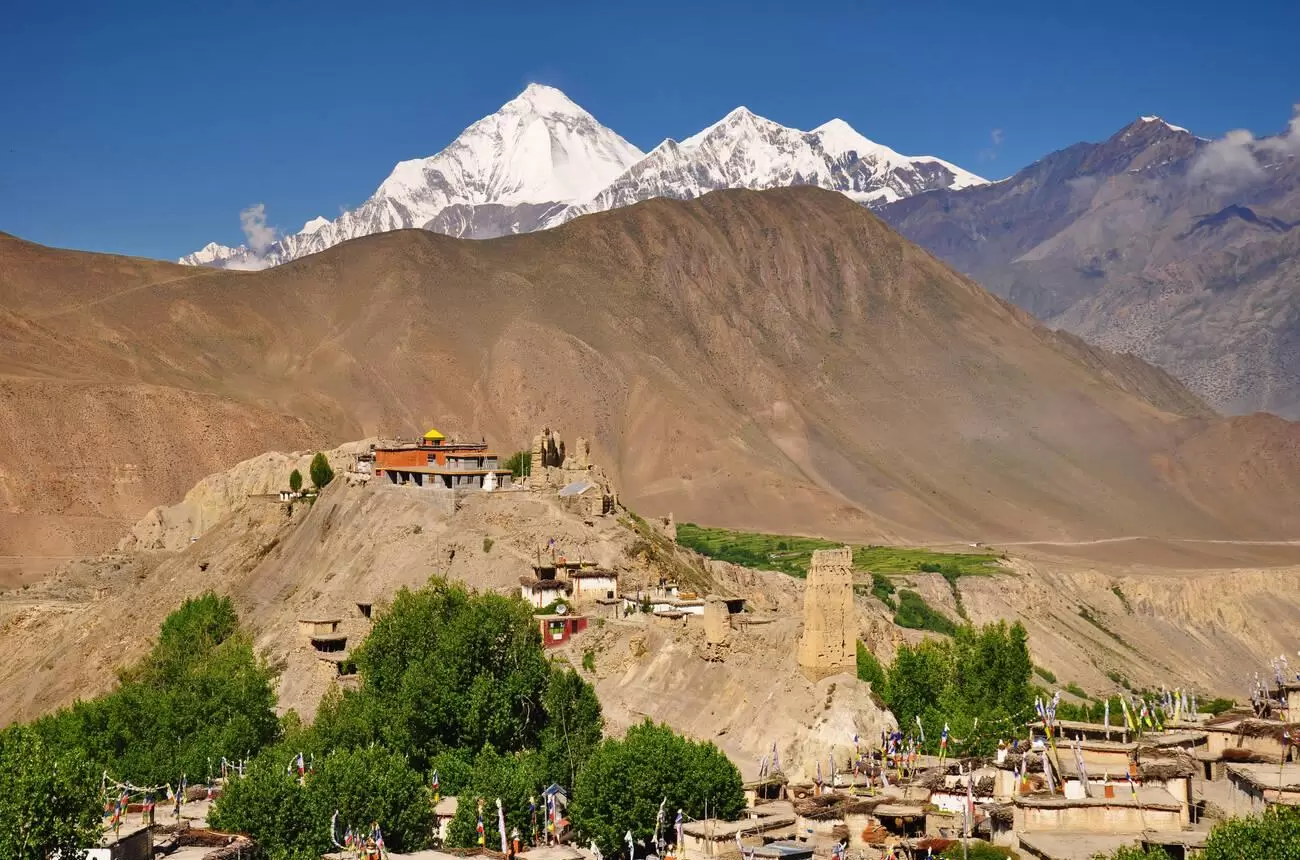
After an early breakfast, you will catch a thrilling domestic flight to Jomsom, which takes about 25 minutes. Jomsom, located at an altitude of 2,715 m, is the gateway to Upper Mustang. From here, we begin the trek to Kagbeni (2-3 hours), a charming village situated at 2,858 meters. Kagbeni is the entrance to the Upper Mustang region, where you’ll experience the unique Tibetan culture. The village offers amazing views of the Nilgiri Peak and the Annapurna Himalaya. Overnight at Kagbeni.
Today’s trek takes you to the village of Chele (3,050 m), a scenic and culturally rich settlement. The journey takes around 6 hours and passes through narrow valleys, high cliffs, and arid landscapes reminiscent of a desert. Along the way, you'll witness beautiful Tibetan architecture, prayer flags, and ancient monasteries. Once in Chele, enjoy the stunning views of the surrounding hills and valleys. Overnight in Chele.
Leaving Chele behind, you will continue your trek to Syangmoche (3,475 m), which takes about 6 hours. The trail today takes you through picturesque villages and stunning high desert landscapes. As you approach Syangmoche, you’ll be surrounded by dramatic cliff walls, and on clear days, you’ll enjoy breathtaking views of the Dhaulagiri Range. This peaceful village provides a perfect setting for rest and acclimatization.
Today’s trek takes you to the village of Ghami (3,500 m), a journey of about 5 hours. The route follows a beautiful trail through ancient juniper forests and narrow gorges. Ghami is a traditional Tibetan village known for its stone houses and terraced fields. The surrounding landscapes are stark and impressive, with red cliffs and deep gorges. Enjoy the evening wandering through the village or visiting its small gompa (monastery).
From Ghami, you will trek to Charang (3,560 m), which takes about 4 hours. This village, located in a broad valley, offers panoramic views of the surrounding peaks and valleys. The trek today is relatively short but gives you plenty of time to explore the area. Charang is known for its impressive monasteries and Tibetan culture. The landscape transitions from desert-like terrain to more verdant, arid areas dotted with stone-built houses.
On this day, you’ll make your way to Lo Manthang (3,770 m), the capital of Upper Mustang, and a journey of about 5 hours. Lo Manthang is a walled city with a rich history and distinct Tibetan influences. It is home to ancient palaces, monasteries, and temples. This culturally vibrant town is famous for its unique architecture and stunning views of the surrounding peaks. Spend the evening exploring Lo Manthang’s impressive structures and experiencing its peaceful atmosphere.
Today, you will take a day trip to the Chhoser Cave (around 6 hours). Located just outside Lo Manthang, Chhoser is a fascinating area known for its cave dwellings and ancient Buddhist murals. The caves are carved into the cliffs, offering an insight into the ancient traditions of the region. You will also visit some of the old monasteries in the area before returning to Lo Manthang for the night.
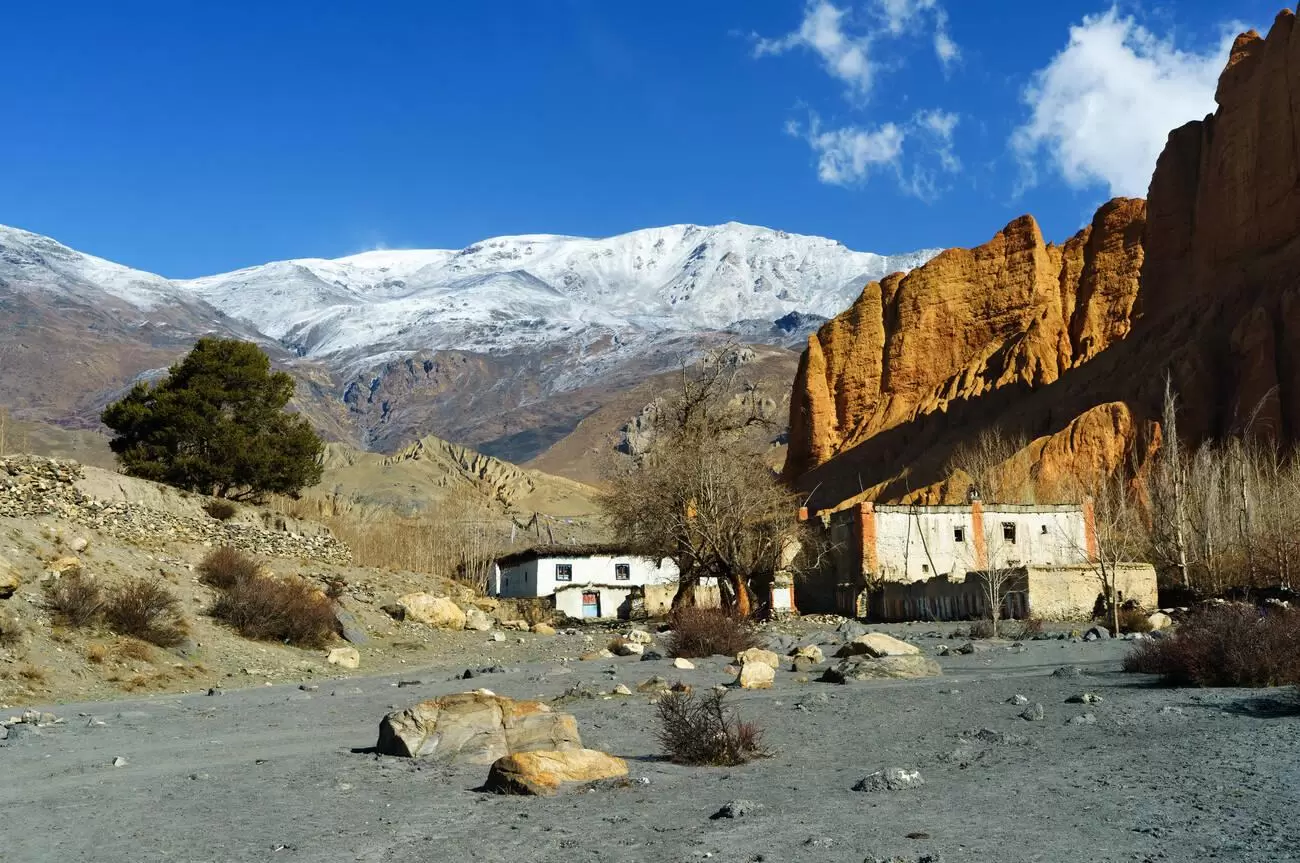
The trek today takes you from Lo Manthang to Dhakmar (3,800 m), a journey of about 7 hours. Dhakmar is an isolated village with a unique red and white landscape that provides a striking contrast to the surrounding terrain. The trek offers spectacular views of the Tibetan Plateau and the Himalayan range. Dhakmar is known for its ancient monastery and is an important stop in the Upper Mustang region.
Today’s trek is approximately 6 hours, leading you to the village of Ghiling (3,860 m). The trail offers stunning views of the surrounding mountains and landscapes. Ghiling is a traditional Tibetan village with a rich cultural heritage. You will have time to explore the village and visit its monasteries. The evening can be spent relaxing, or you can enjoy the scenic views from the village.
From Ghiling, you will trek to Chuksang (3,050 m), a village situated at the confluence of the Kali Gandaki and Mustang Khola rivers. The trek takes about 6 hours and passes through dramatic cliffs and small villages. Chuksang offers magnificent views of the Annapurna and Dhaulagiri ranges. Enjoy the peaceful ambiance of this village, which is known for its apple orchards and Tibetan-style houses.
On this day, we trek back to Jomsom (2,715 m), a journey that takes about 5 hours. This marks the end of the trek in Upper Mustang. The trail today is mostly downhill, passing through picturesque villages and arid landscapes. Once in Jomsom, you can relax and reflect on your adventure. Jomsom is a busy town known for its apple orchards and views of the Nilgiri Mountains.
After breakfast, you will fly back to Pokhara (a 15-minute flight). Enjoy the stunning aerial views of the Annapurna and Dhaulagiri ranges during your flight. Upon arrival in Pokhara, you will be transferred to your hotel. You can relax by Phewa Lake or take a leisurely walk around the lakeside area.
Today, we drive back to Kathmandu, which takes about 8 hours. The drive offers scenic views of the Trishuli River, terraced fields, and traditional villages. Upon arrival in Kathmandu, you’ll be transferred to your hotel. You have the rest of the day to rest, shop for souvenirs, or explore the city further.
Your journey through Upper Mustang comes to an end today. You will be transferred to Tribhuvan International Airport in Kathmandu for your flight home, taking with you unforgettable memories of your trek to the mystical and remote Upper Mustang region.
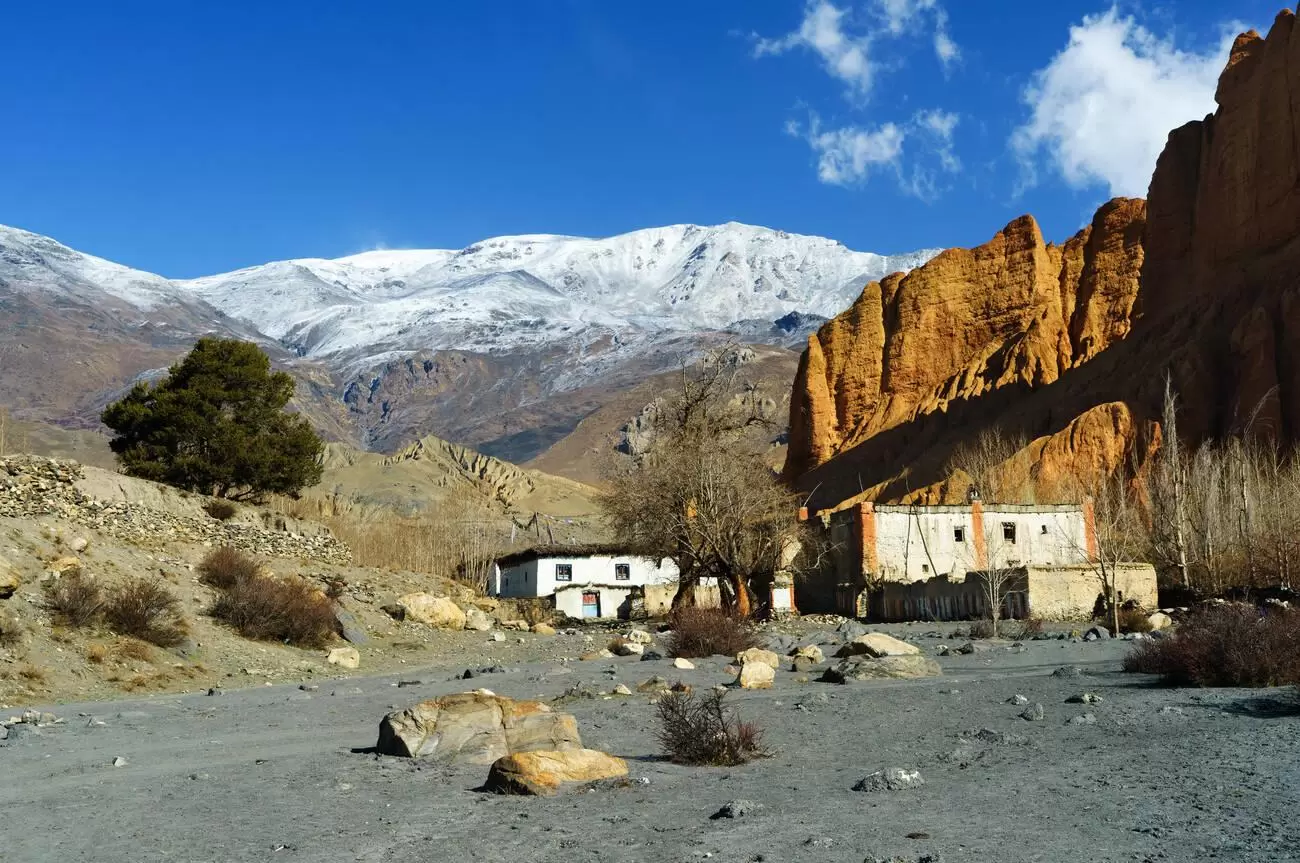
The Upper Mustang Trek takes you to one of the most remote and culturally rich regions of Nepal, known for its Tibetan-influenced culture and stunning landscapes. Located in the northern part of the Annapurna region, Upper Mustang was once a forbidden kingdom until it opened to trekkers in 1992. The trek offers a unique opportunity to explore ancient monasteries, traditional Tibetan villages, and the vast desert-like terrain of Lo Manthang, the capital of the Mustang region. This journey is ideal for those looking for an off-the-beaten-path adventure, away from the busy trekking routes.
At Nepal Passion Treks and Expedition, we specialize in providing personalized trekking experiences that blend adventure with cultural immersion. Our experienced guides and staff are local to the region, ensuring a deep understanding of the environment, culture, and history of Upper Mustang. We prioritize safety, comfort, and sustainable tourism practices, offering you a hassle-free trekking experience while supporting the local communities. Our team’s commitment to excellent service and attention to detail ensures that your trek will be an unforgettable journey.
Yes, Upper Mustang requires a special permit due to its proximity to the Tibetan border. You will need to obtain an Upper Mustang Restricted Area Permit, which can only be issued through a licensed trekking agency. Additionally, you will need a TIMS (Trekkers' Information Management System) card and an Annapurna Conservation Area Permit (ACAP). At Nepal Passion Treks and Expedition, we handle all the paperwork for you, ensuring a smooth and seamless permit application process.
The Upper Mustang Trek is considered moderate to challenging in difficulty. The trail itself is not technically demanding, but the altitude and the remote nature of the region can make it tough for some trekkers. The highest point on the trek is around 4,100 meters (13,450 feet) at the pass near Lo Manthang. The trek involves long days of walking, with some steep ascents and descents. It is important to be physically prepared and to acclimatize properly to avoid altitude sickness. Our experienced guides will ensure you acclimatize safely, and we always pace the trek to suit your fitness level.
The best time to trek Upper Mustang is during the pre-monsoon (March to May) and post-monsoon (September to November) seasons. These months offer clear skies, mild temperatures, and stunning views of the surrounding peaks and landscapes. The region’s unique geography and location in the rain shadow of the Himalayas make it a great trekking destination even during the monsoon, as it remains relatively dry compared to other regions of Nepal. We recommend avoiding the winter months (December to February) due to cold temperatures and the summer monsoon season (June to August) due to potential rain and trail conditions.
During the Upper Mustang Trek, accommodations are typically in local teahouses or guesthouses. These are simple, but comfortable lodgings offering basic amenities such as a bed, blankets, and shared bathrooms. In Lo Manthang, the capital of Upper Mustang, there are a few more developed guesthouses. While the infrastructure is relatively basic, the hospitality of the local people makes up for it. You should be prepared for more rustic conditions compared to more popular trekking areas in Nepal, but the authentic experience of staying in these villages is part of the trek’s charm.
Packing for the Upper Mustang Trek requires careful consideration, as you’ll encounter a variety of weather conditions, including sun, wind, and chilly evenings. Essential items include comfortable trekking boots, warm clothing (layers are key), a good-quality sleeping bag, a waterproof jacket, sunscreen, sunglasses, a hat, and a daypack. Due to the region's remoteness, it’s important to bring personal hygiene items, a first aid kit, and any necessary medications. Your trekking guide will provide further advice on what to bring, and we suggest that you pack light but efficiently.
The Upper Mustang region is a restricted area, meaning that independent trekking is not allowed. You must trek with a licensed guide and be part of an organized trek. Nepal Passion Treks and Expedition provides fully guided services, with experienced local guides who not only ensure your safety but also enrich your experience by sharing insights into the region’s history, culture, and traditions.
The Upper Mustang Trek typically takes 14 to 18 days, depending on your starting point and the pace you choose to trek. The duration includes travel to and from the trailhead, acclimatization days, and the trekking days themselves. The itinerary is designed to allow for proper acclimatization and to give you ample time to explore key sites, including the walled city of Lo Manthang, ancient monasteries, and unique cave dwellings.
Food along the Upper Mustang Trek is a blend of local Tibetan-style cuisine and some traditional Nepali dishes. Expect to enjoy hearty meals like dal bhat (lentil soup with rice), momos (dumplings), thukpa (noodle soup), and tsampa (roasted barley flour). Tea houses generally provide a variety of options, and our guides can help accommodate any dietary restrictions or preferences. While the food is simple, it is nutritious and provides the energy needed for your trekking days.
Safety is a top priority at Nepal Passion Treks and Expedition. We follow strict safety protocols and ensure that our guides are trained in first aid and emergency procedures. We also carry a first aid kit, and our guides are equipped with satellite phones in case of an emergency. The altitude can cause altitude sickness, so we take time for acclimatization to reduce the risks. Our experienced guides are always on hand to monitor your condition and adjust the trek as needed to ensure your safety and well-being.
Yes, many trekkers choose to extend their trek by continuing to other regions of Nepal. For example, you could add a trek to the Annapurna Circuit or explore the nearby regions like Jomsom or Muktinath. Our team at Nepal Passion Treks and Expedition can help customize your trek and arrange any additional travel plans to suit your interests.