Nepal Passion Treks and Expedition

Everest Three Pass Trek

  • Best price guaranteed
  • No booking fees
  • Book Now, Pay Later
from 0 reviews
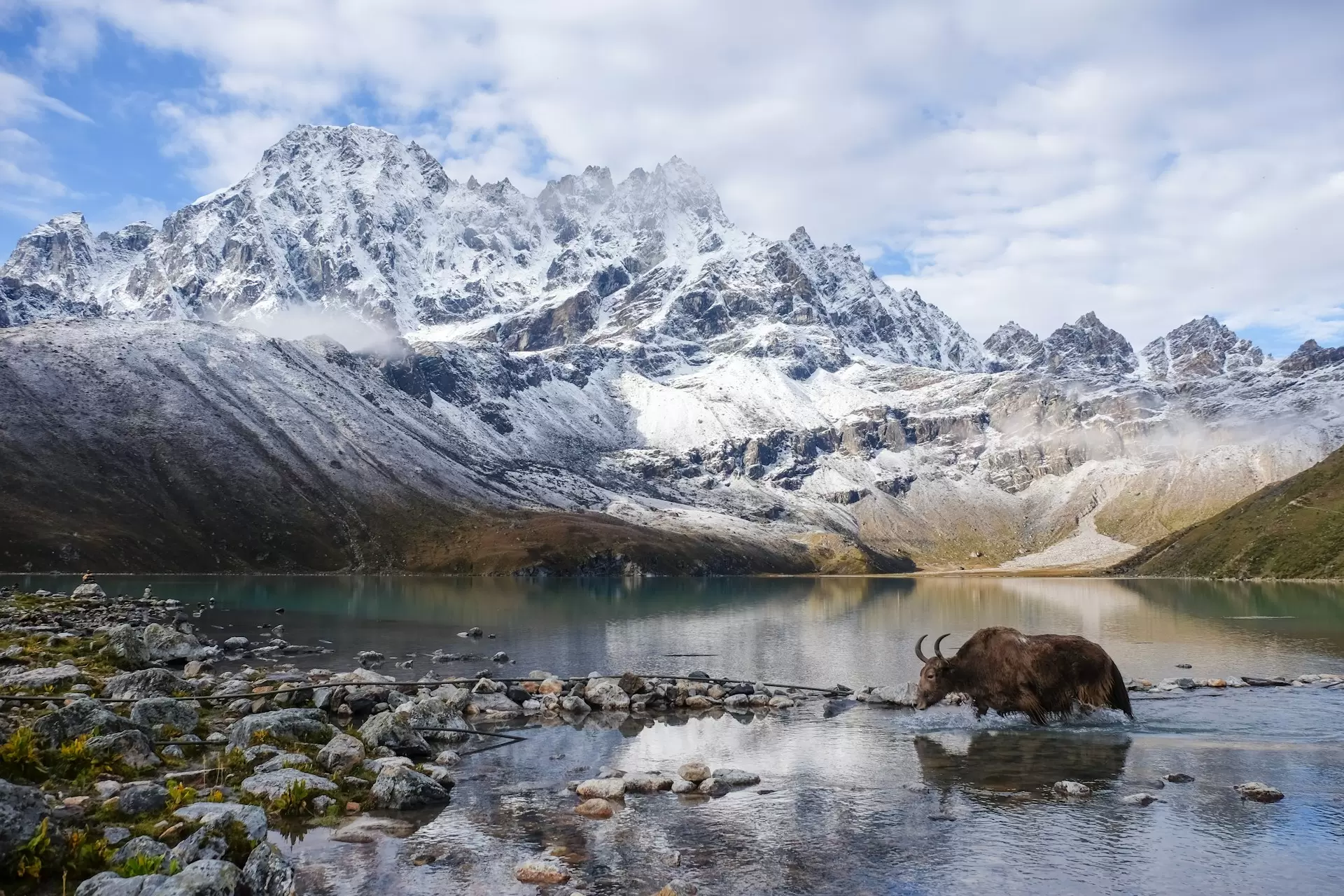
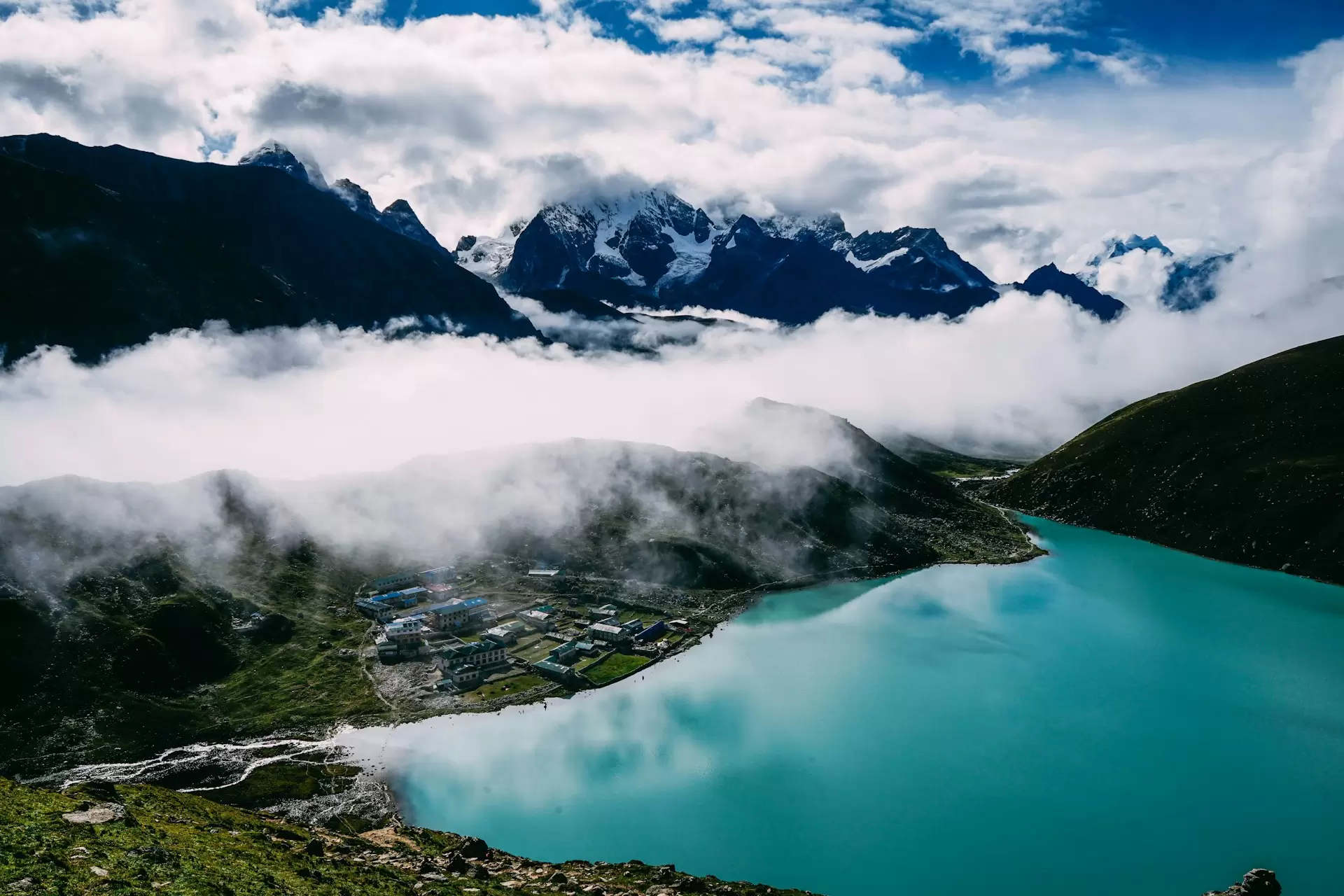
Gokyo Lake, Khumjung, Nepal
Days
20
Save
US$ 160
Limited offer
From US$ 1,600
US$ 1,440
  • Best price guaranteed
  • No booking fees
  • Book Now, Pay Later
No of peoplePrice per person
1 - 1$1,600
2 - 5$1,440
6 - 9$1,420
10 - 15$1,400
16 - 20$1,375
Share
Print
Max. Elevation
5545 m / 18192 ft
Group size
Min 1+
Level
Moderate
Transportation
Domestic flight and all ground transportation as per itinerary
Best Season
Mar - May, Sep - Nov
Starts at / Ends at
Kathmandu / Kathmandu
Accomodation
3*** Hotel in Kathmandu and Tea House / Lodge during the trek
Meals
All meals during the trek
Trip Route

Highlights

  • Thrilling flight into Lukla (2,860m) with views of the Himalayan peaks.
  • Namche Bazaar Sherpa hub at 3,440m, offering spectacular views of Everest, Lhotse, and Ama Dablam, plus a chance for acclimatization.
  • A stunning, less-traveled Renjo La Pass (5,360m) offering panoramic views of Everest, Makalu, and Cho Oyu.
  • Crystal-clear, turquoise glacial(Gokyo) lakes at the base of Cho Oyu, surrounded by dramatic peaks.
  • A summit hike to Gokyo Ri (5,357m) offering breathtaking views of Everest, Lhotse, and the surrounding peaks.
  • A challenging, high-altitude Cho La Pass (5,420m) connecting the Gokyo valley to the Khumbu valley, with sweeping mountain vistas.
  • A small, remote village offering views of the towering peaks surrounding the Cho La Pass.
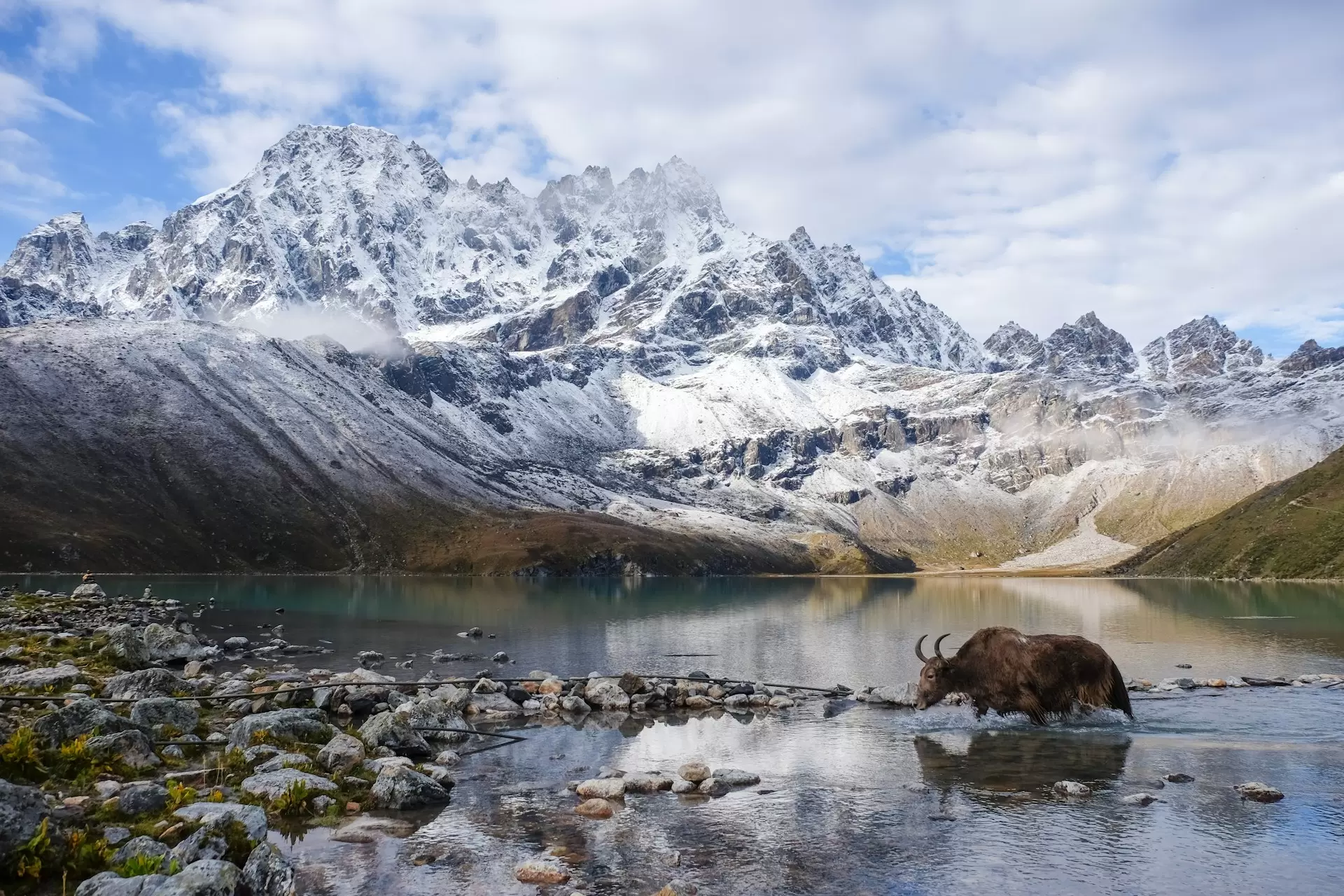
  • The iconic Everest Base Camp (5,364m) where climbers prepare for summit attempts, with awe-inspiring views of the Khumbu Icefall.
  • A sunrise trek to one of the best viewpoints for Everest, offering unobstructed views of the highest peak Kala Patthar (5,545m) on Earth.
  • Throughout the trek, experience incredible vistas of these legendary peaks.
  • Experience the rich culture and traditions of the Sherpa people in picturesque villages like Tengboche, Dingboche, and Phortse.

Overview

Mount Everest, the tallest mountain in the world, stands proudly at 8,848.86 meters (29,031.7 feet) above sea level, towering over the mighty Himalayas. It is revered as a symbol of human endurance and adventure, attracting mountaineers, trekkers, and nature enthusiasts from all corners of the globe. The peak is located on the border between Nepal and the Tibet Autonomous Region of China, with its south summit accessible from Nepal. The mountain's awe-inspiring presence is the primary attraction for adventurers and trekkers, and it forms the centerpiece of the Everest region, including the famous Everest Base Camp Trek. The journey to Everest Base Camp offers trekkers the unique opportunity to witness the grandeur of this magnificent peak, surrounded by towering Himalayan giants and lush valleys.

At Nepal Passion Treks and Expedition, we take pride in providing an exceptional experience to travelers looking to explore this remarkable region. Whether you aim to stand at the base of Mount Everest, marvel at its breathtaking beauty, or simply be in the presence of such an iconic natural wonder, we ensure a safe, well-planned, and memorable expedition. Our experienced guides, thorough logistics, and deep knowledge of the region will allow you to fully appreciate the cultural richness and natural splendor that surrounds Everest.

Everest Base Camp Trek
The Everest Base Camp Trek is one of the most popular and iconic treks in the world, attracting adventurers eager to see the majesty of Mount Everest up close. The trek typically begins in the town of Lukla and ascends through the breathtaking Khumbu Valley, taking you past charming Sherpa villages, Buddhist monasteries, and lush forests. The journey offers unparalleled views of towering peaks like Ama Dablam, Lhotse, and, of course, Mount Everest. The trek culminates at the Everest Base Camp (5,364 meters/17,598 feet), where trekkers can experience the awe of being at the foot of the world's highest mountain. Along the way, you will acclimatize by hiking to key vantage points like Kala Patthar (5,545 meters/18,192 feet), which offers stunning panoramic views of Everest and its surrounding peaks.

At Nepal Passion Treks and Expedition, we ensure that every detail of your Everest Base Camp trek is meticulously planned. From providing highly experienced and certified guides to ensuring your safety with the best equipment, we focus on delivering a seamless and enriching trekking experience. We pride ourselves on our knowledge of the terrain, local culture, and the mountain environment, making us the ideal partner for your Everest Base Camp journey.

Everest Three Pass Trek
The Everest Three Pass Trek is a thrilling and challenging journey that takes trekkers through some of the most remote and rugged terrain in the Everest region. Unlike the standard Everest Base Camp trek, the Three Pass Trek traverses high-altitude passes: Kongma La (5,535 meters), Cho La (5,420 meters), and Renjo La (5,388 meters). This trek provides a more complete and panoramic view of the Everest region, with the opportunity to witness diverse landscapes, including alpine meadows, glacial lakes, and remote Sherpa villages. The Three Pass Trek also offers trekkers a unique cultural experience, as it ventures off the typical trekking routes, allowing you to engage more deeply with local communities and explore lesser-known areas. As you ascend over the three high-altitude passes, the trek combines physical challenge with visual rewards, offering unparalleled views of Everest, Lhotse, Makalu, and Cho Oyu.

Nepal Passion Treks and Expedition takes great care in organizing the Everest Three Pass Trek, ensuring your safety, comfort, and enjoyment throughout the challenging journey. Our expert guides are well-versed in the intricacies of high-altitude trekking, and we provide you with personalized support to help you succeed in crossing these difficult passes. Whether you are an experienced trekker seeking a tougher challenge or someone looking for a deeper connection with the Everest region, our Three Pass Trek will exceed your expectations.

Best Season for Everest Three Pass Trek
The best seasons to embark on the Everest Three Pass Trek are during the pre-monsoon (spring) months of March to May and the post-monsoon (autumn) months of September to November. These periods offer the most favorable weather conditions, with clear skies, mild temperatures, and stable weather, allowing trekkers to enjoy stunning panoramic views of the mountains. Spring (March to May) brings lush greenery and vibrant rhododendron flowers, while autumn (September to November) is marked by crisp air and exceptional visibility, ideal for high-altitude trekking. During these seasons, the temperatures are generally moderate, ranging from 10°C (50°F) during the day to -5°C (23°F) at night at higher altitudes, which provides a comfortable and safe trekking experience.

Avoid the monsoon season (June to August), as it brings heavy rainfall, which can lead to difficult trail conditions, landslides, and poor visibility. Winter (December to February) is also less ideal for the Everest Three Pass Trek due to extreme cold and snow accumulation, which can make the passes impassable. At Nepal Passion Treks and Expedition, we carefully plan your trek to ensure you travel during the best seasons, maximizing your chances of a successful and enjoyable adventure.

Everest Three Pass Trek Difficulty
The Everest Three Pass Trek is considered one of the more strenuous trekking routes in Nepal due to its high altitude, rugged terrain, and the challenge of crossing three high-altitude passes. The trek reaches altitudes above 5,000 meters (16,400 feet), which can lead to altitude sickness if proper acclimatization is not followed. The passes themselves, Kongma La, Cho La, and Renjo La, are technically challenging and require trekkers to have a good level of physical fitness and mental determination. Some sections of the trek involve steep ascents and descents, and there are stretches of rocky, icy terrain that may require caution, especially during early spring or late autumn.

To successfully complete the Everest Three Pass Trek, trekkers must have prior trekking experience at high altitudes. At Nepal Passion Treks and Expedition, we prioritize safety and ensure that your trekking itinerary includes sufficient acclimatization days. Our expert guides help you prepare for the physical demands of the trek, and we provide advice on altitude sickness prevention, hydration, and general fitness. With proper preparation and the support of our experienced team, you can enjoy the challenge and rewards of this exceptional trek.

Food and Accommodation
On the Everest Three Pass Trek, food and accommodation are provided along the trail, primarily in teahouses, which are small lodges run by local families. The food offered is a combination of Nepali, Tibetan, and international cuisine, including dal bhat (lentil soup with rice), momos (dumplings), noodles, and fried rice, which provide the necessary energy for the challenging trekking days. You can also find Western dishes like pancakes, pasta, and soups, though the variety may decrease the higher you go. As the trek progresses into higher altitudes, the menu may become more limited, but the focus is always on providing nutritious and filling meals to sustain trekkers throughout the day.

Accommodation along the trail is in basic teahouses, with rooms that typically feature two single beds with a blanket. Higher up, the rooms may be colder and more basic, but they are usually clean and comfortable enough for trekkers to rest after a long day on the trail. In some of the higher regions, shared bathrooms may be available. While the accommodation may not be luxurious, the warm hospitality of the local Sherpa hosts adds a personal touch to your journey. At Nepal Passion Treks and Expedition, we ensure your comfort and safety are prioritized, selecting teahouses that meet our high standards for cleanliness and hospitality.

Communication and Networking
In the Everest region, mobile phone coverage is available in most of the larger towns and villages along the trekking route. Many trekking companies, including Nepal Passion Treks and Expedition, provide satellite phones for emergency communication, especially in remote areas. It is important to note that the further you ascend, the more limited the connectivity becomes. At higher altitudes, mobile network coverage may be sparse or non-existent. However, you will find Wi-Fi services in many teahouses, although these are often slower and less reliable due to the remote location.

For trekkers wishing to stay connected, Nepal Passion Treks and Expedition ensures that all necessary communication arrangements are in place. We provide access to satellite phones in case of emergencies, and our guides are trained to handle any unforeseen circumstances. While communication is important, we also encourage trekkers to fully immerse themselves in the beauty and serenity of the mountains, disconnecting from the outside world to truly experience the magic of the Everest region.

Why Choose Us (Nepal Passion Treks and Expedition)
At Nepal Passion Treks and Expedition, we are committed to providing an unforgettable trekking experience in Nepal's Himalayas, particularly in the Everest region. Our company stands out for its attention to detail, personalized service, and deep-rooted respect for the local culture and environment. We specialize in trekking and expedition services, with a team of experienced and professional guides who are well-versed in the terrain, the challenges of high-altitude trekking, and the unique customs of the Sherpa people. Our local knowledge ensures that your Everest Three Pass Trek is both safe and enjoyable, with carefully planned itineraries that allow for proper acclimatization and a focus on your well-being throughout the journey.

Additionally, we are dedicated to sustainability and responsible tourism. By choosing Nepal Passion Treks and Expedition, you support local communities and contribute to the preservation of Nepal's natural beauty. We believe in creating positive, lasting impacts on the regions we visit, providing fair wages, and promoting eco-friendly practices. With us, you can rest assured that your trek will be handled with the utmost professionalism, care, and respect for both the environment and the people of Nepal.x

Important Note

Trekking Overview:
Mode:Lodges and Guest Houses from Lukla to Lukla.
Trekking Grade:Challenging, requiring good physical fitness and acclimatization due to high altitudes and rugged terrain.

Location:
Traverse the stunning Khumbu region, home to some of the highest peaks in the world.

Key Passes:
Kongma La Pass: 5,535 m (18,159 ft)
Cho La Pass:5,368 m (17,613 ft)
Renjo La Pass: 5,388 m (17,644 ft)

Cultural Insights:
The region is inhabited by Sherpa communities, renowned for their hospitality and rich Tibetan Buddhist culture.

Trek Details:
Duration:16 Nights and 17 Days (Lukla to Lukla).
Total Trip Duration:19 Nights / 20 Days, including arrival and departure.

Optimal Seasons:
Accessibility:Best trekked from late September to November and March to May, avoiding the monsoon months (mid-June to mid-September).
Ideal Trekking Seasons:
Autumn: September to November
Spring:March to May

Winter Considerations:
Winter trekking is possible but comes with extreme cold and shorter days. Be prepared for harsh conditions.

Essential Tips:
Acclimatization:Allow ample time for your body to adjust—take rest days if necessary.
Packing Essentials:Bring layers for warmth and comfort, as temperatures can vary significantly.
Cultural Respect:Engage with local customs respectfully, learning a few basic phrases in Nepali can enhance interactions.
Hydration:Keep hydrated and maintain a balanced diet to support your trek.

Prepare well, embrace the challenge, and enjoy the incredible landscapes and experiences the Everest Three Pass Trek has to offer!

Trip Itinerary

Upon your arrival at Tribhuvan International Airport in Kathmandu, a representative from Nepal Passion Treks and Expedition will welcome you and transfer you to your hotel in the vibrant Thamel area. You will have some time to relax, recover from your journey, and explore the bustling streets of Kathmandu. In the evening, your guide will brief you about the upcoming trek, discuss safety precautions, and provide you with any necessary gear for the journey ahead. You will spend the night at your hotel in Kathmandu.

Today, you will explore the cultural and historical sites of Kathmandu. Visit UNESCO World Heritage Sites such as the ancient Swayambhunath (Monkey Temple), Boudhanath Stupa, and the famous Pashupatinath Temple. These landmarks offer insight into Nepal’s rich spiritual and cultural heritage. After the sightseeing tour, you will have time to finalize your trekking preparations and check your gear. This evening, your guide will conduct a final briefing, and you will have the chance to ask any last-minute questions. Overnight in Kathmandu.

After an early breakfast, you will take a thrilling flight from Kathmandu to Lukla. The 30-minute flight offers spectacular views of the Himalayas as you land at the Lukla airstrip, one of the most scenic and exciting airports in the world. Upon arrival, your trek begins with a gentle descent through the village of Lukla and a scenic walk along the Dudh Koshi River. The trek takes you through pine forests, across suspension bridges, and into the village of Phakding, where you will spend the night in a comfortable teahouse.

Today’s trek is a bit more challenging as you ascend towards Namche Bazaar, the gateway to the Everest region. You will cross several suspension bridges, including the famous Hillary Bridge, and continue through the beautiful forests of pine and rhododendron. The trail gradually climbs as you reach the entrance to the Sagarmatha National Park. Once you cross the park entrance, the final stretch to Namche Bazaar is a steep ascent, but the views of Everest and surrounding peaks become more spectacular. Namche Bazaar, a lively Sherpa town, is where trekkers rest and acclimatize before heading higher. Overnight in Namche Bazaar.

Today is an acclimatization day in Namche Bazaar, which is crucial for adjusting to the altitude. You will take a short hike to Syangboche and visit the Everest View Hotel, which offers a stunning panoramic view of Everest, Lhotse, and Ama Dablam. You can also explore the local markets, visit the Sherpa Museum, or simply relax and enjoy the vibrant atmosphere of Namche. Acclimatization is vital for the success of the trek, so be sure to hydrate well and take it easy. Overnight in Namche Bazaar.

After breakfast, you will begin the trek to Tengboche, a small monastery village known for its picturesque setting and panoramic mountain views. The trail descends through beautiful pine forests, crossing the Dudh Koshi River, and then begins to climb towards Tengboche. On the way, enjoy stunning views of Everest, Ama Dablam, and other surrounding peaks. The Tengboche Monastery is one of the most important Buddhist monasteries in the Khumbu region, and you may have the chance to observe a prayer ceremony. Overnight in Tengboche.

Today's trek continues through the beautiful forests and alpine landscapes as you head towards Dingboche. After passing the villages of Pangboche and Somare, you will begin to ascend to Dingboche, a small village situated beneath the towering peaks of Lhotse, Island Peak, and Ama Dablam. The air is thinner here, so it’s important to take your time and acclimatize properly. Dingboche offers stunning mountain views and a peaceful atmosphere, perfect for rest and relaxation. Overnight in Dingboche.

To further aid in acclimatization, today you will take a short hike to the Nagarjuna Hill, which sits at an altitude of 5,100 meters. From here, you will have excellent views of Everest, Lhotse, Makalu, and other Himalayan giants. After a few hours of hiking, you will return to Dingboche for the night. This rest day is crucial for adjusting to the altitude and preparing for the higher passes. Take it easy, stay hydrated, and enjoy the incredible views around you. Overnight in Dingboche.

After breakfast, you will trek to the small village of Chhukung, situated at the base of Island Peak. Along the way, you will pass by yak pastures and stone houses, with fantastic views of the surrounding peaks. In the afternoon, you will climb Chhukung Ri, a peak that offers panoramic views of the surrounding mountains, including Makalu, Lhotse, and Everest. The hike to Chhukung Ri will be challenging due to the altitude, but it is a great opportunity to acclimatize and enjoy the incredible mountain vistas. You will return to Chhukung for the night.

Today is one of the toughest days of the trek as you will cross the Kongma La Pass, which stands at 5,535 meters. The trek begins with a steep ascent to the pass, which provides incredible views of the surrounding peaks, including Lhotse, Nuptse, and Makalu. After crossing the pass, you will descend to Lobuche, a small settlement where you will rest for the night. This is a challenging day, but the breathtaking views and the sense of accomplishment make it all worthwhile. Overnight in Lobuche.

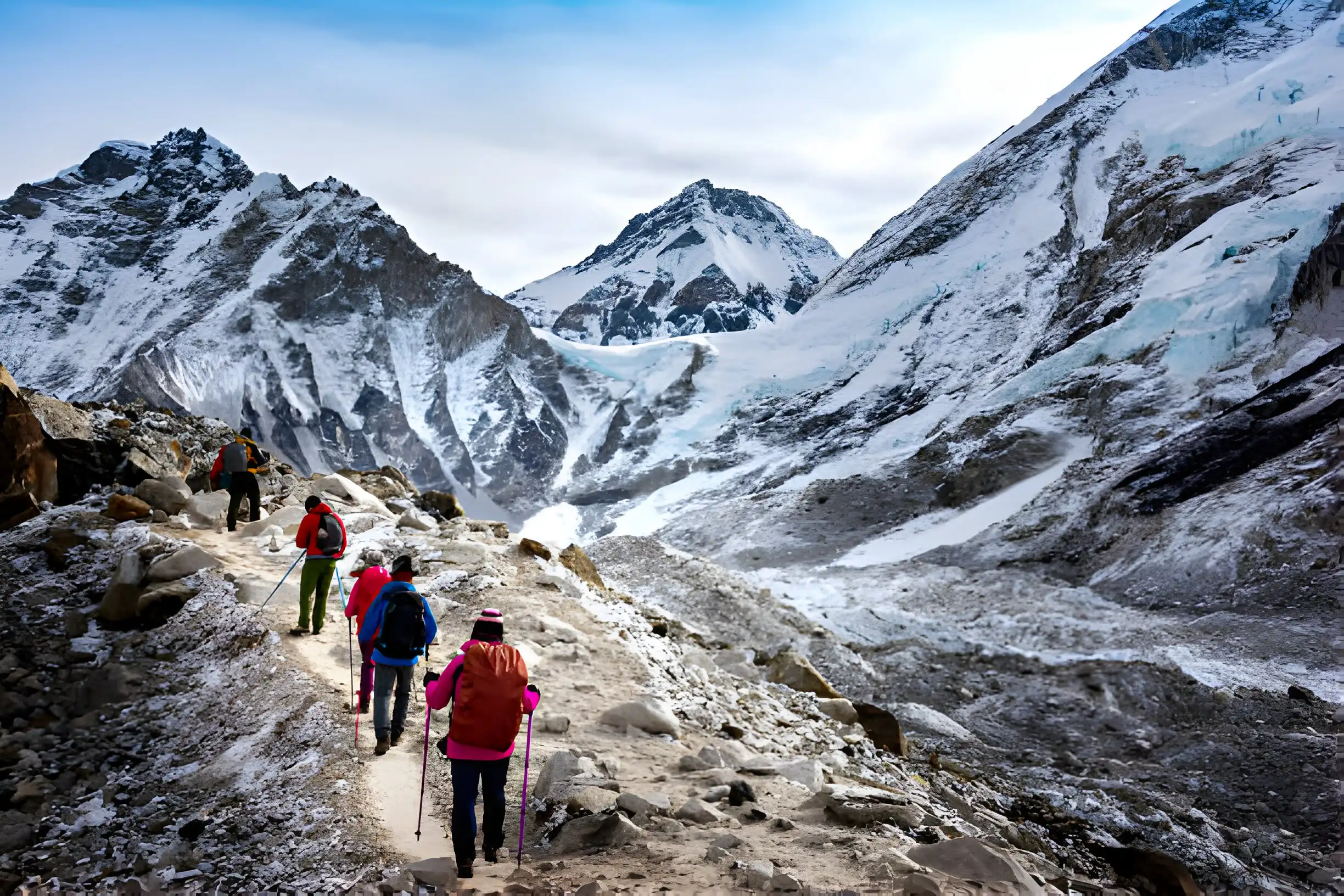
Today is another highlight of the trek as you head towards Everest Base Camp. After breakfast, you will trek to Gorak Shep, a small settlement where you will stop for a break. From Gorak Shep, you will continue towards Everest Base Camp, passing through rocky moraines and glacier fields. Reaching Everest Base Camp, you will be surrounded by the stunning Khumbu Glacier and the towering peaks of the Everest massif. This is a momentous achievement, and you will have time to take in the views and celebrate before returning to Gorak Shep for the night.

Today, you will wake up early for a sunrise hike to Kala Patthar, one of the best viewpoints for panoramic views of Mount Everest and the surrounding peaks. The sunrise from Kala Patthar is a breathtaking experience, as the golden light illuminates the towering Himalayas. After spending time at the summit, you will descend back to Gorak Shep for breakfast and then continue on the trail to Lobuche. Overnight in Lobuche.

After breakfast, you will leave Lobuche and trek towards Dzongla, a small village located on the way to Cho La Pass. The trail offers amazing views of the surrounding peaks and passes through alpine meadows and rocky terrain. Dzongla is a quiet and scenic village where you can relax and prepare for the next day's challenging trek across Cho La Pass. Overnight in Dzongla.

Today, you will cross Cho La Pass, one of the most difficult and exhilarating passes on the trek. The ascent to Cho La Pass is steep and strenuous, but once you reach the top, you will be rewarded with stunning views of Everest, Lhotse, Makalu, and Cho Oyu. After crossing the pass, the descent to the Gokyo Valley begins. You will trek towards the picturesque village of Gokyo, situated beside the stunning Gokyo Lakes. Overnight in Gokyo.

Today is a rest day in Gokyo, allowing you to explore this beautiful region. In the morning, you will hike up to Gokyo Ri, a summit that offers spectacular views of the surrounding peaks, including Everest, Lhotse, Makalu, and Cho Oyu. After descending, you will explore the fourth and fifth Gokyo Lakes, which are surrounded by stunning mountain scenery. This is a relaxing and scenic day to enjoy the beauty of the Gokyo Valley. Overnight in Gokyo.

Today, you will cross Renjo La Pass, one of the three major passes on this trek. The pass offers incredible views of Mount Everest, Makalu, and other peaks. After crossing the pass, you will descend to Lumde, a small settlement where you will spend the night. The descent is steep, but the views make the effort worthwhile. Overnight in Lumde.

After breakfast, you will begin your descent back towards Namche Bazaar. The trail winds through forests and small villages, with beautiful views of the surrounding mountains. You will pass through the village of Mong and make your way back to Namche, where you can relax and reflect on the incredible journey you've just completed. Overnight in Namche Bazaar.

The final leg of your trek takes you back to Lukla. The trail descends through forests and crosses several suspension bridges before reaching the village of Lukla. This is the last night of your trek, and you will have time to rest and celebrate the completion of this epic journey with your fellow trekkers and crew. Overnight in Lukla.

After breakfast, you will take a flight back to Kathmandu from Lukla. Upon arrival, you will be transferred to your hotel where you can relax and freshen up. The rest of the day is free to explore the city or do some last-minute shopping. In the evening, Nepal Passion Treks and Expedition will host a farewell dinner to celebrate the successful completion of your trek.

After breakfast, you will be transferred to Tribhuvan International Airport for your flight back home or onward journey. Your Everest Three Pass Trek with Nepal Passion Treks and Expedition has come to an end, and the memories of your incredible adventure will stay with you forever.
Not satisfied with this itinerary? Make your own.
Plan My Trip

Includes

  • Hotel accommodation in Kathmandu for 3 nights with breakfast (2 nights before the trek, 1 night after).
  • Teahouse accommodations during the trek.
  • All meals (breakfast, lunch, dinner) during the trek.
  • Welcome and farewell dinners in Kathmandu.
  • Airport transfers in Kathmandu.
  • Domestic flights: Kathmandu to Lukla and return.
  • Sagarmatha National Park entry permit.
  • TIMS (Trekkers’ Information Management System) card.
  • Experienced, English-speaking trek guide.
  • Porter(s) to carry luggage (1 per 2 trekkers).
  • Use of a down jacket and sleeping bag (returned post-trek).
  • Trekking map and group medical kit.

Doesn't Include

  • International flights to/from Kathmandu.
  • Nepal entry visa fee.
  • Mandatory travel insurance (including emergency rescue).
  • Personal trekking equipment.
  • Personal expenses (laundry, calls, internet, etc.).
  • Alcoholic beverages and bottled water.
  • Extra nights in Kathmandu outside scheduled itinerary.
  • Additional meals and beverages not specified.
  • Tips for trekking staff.
Why Book with Us?
  • Excellent customer service. Our travel experts are ready to help you 24/7.
  • Best price guaranteed.
  • No credit card or booking fees.
  • 100% financial protection.
  • Environmentally-friendly tours.

Frequently Asked Questions

The Everest Three Pass Trek is a more adventurous and demanding version of the classic Everest Base Camp Trek. This trek involves crossing three high-altitude passes — Kongma La (5,535m), Cho La (5,420m), and Renjo La (5,360m) — while also visiting Everest Base Camp and climbing to the viewpoint at Kala Patthar (5,545m). The trek takes you through remote Sherpa villages, Buddhist monasteries, and offers stunning views of some of the highest peaks in the world, including Mount Everest, Lhotse, Makalu, and Cho Oyu.

The Everest Three Pass Trek is considered a strenuous trek, requiring a high level of physical fitness, stamina, and the ability to handle high-altitude conditions. The trek includes long, challenging days, steep ascents, and the need to cross high mountain passes, which can be physically demanding, particularly at altitudes above 5,000 meters. Altitude sickness is a significant concern, and proper acclimatization is essential. It is recommended for experienced trekkers who are comfortable with high-altitude trekking and have prior trekking experience.

The best times to trek the Everest Three Pass Trek are during the two main trekking seasons in Nepal: spring (March to May) and autumn (September to November). These months offer the best weather conditions, with clear skies and moderate temperatures, making it ideal for high-altitude trekking. The winter months (December to February) can be extremely cold and challenging, especially in the mountain passes, while the monsoon season (June to August) brings heavy rains, which can increase the risk of landslides and make trails slippery.

While it’s possible to trek independently, it is highly recommended to hire a guide and porter for the Everest Three Pass Trek. The trek is more complex than the standard Everest Base Camp Trek, with challenging terrain, high-altitude passes, and remote areas where navigation can be difficult. A guide will help with route finding, provide insight into the local culture, ensure your safety in case of altitude sickness, and handle logistical details. A porter will help carry your heavy backpack, which allows you to focus on the trek and enjoy the surroundings.

Altitude Sickness: The highest point on the trek is Kongma La, at 5,535 meters (18,159 feet), and the trek ascends to altitudes above 5,000 meters multiple times. Acclimatization is crucial to avoid altitude sickness.

Technical Difficulty: The passes themselves are not technically challenging, but the altitude, steep ascents, and rugged terrain can be exhausting. Weather conditions (such as snow or ice) can also add difficulty, especially on Cho La Pass.

Weather and Conditions: The weather in the Himalayas is unpredictable. Snow, rain, or strong winds can make the passes dangerous, particularly during the winter months or early spring.

Physical Endurance: Trekking for 6-8 hours a day for consecutive days at high altitude can be demanding. Being physically prepared for long, strenuous days is essential.

To trek in the Everest region, you will need the following permits:

TIMS Card (Trekkers' Information Management System): This permit is required for all trekkers in Nepal, and it helps the government track trekkers for safety purposes.

Sagarmatha National Park Entry Permit: This permit is required to enter the Sagarmatha National Park, which includes the Everest Base Camp area. It costs about USD 30.

Khumbu Pasang Lhamu Rural Municipality Permit:This is a local permit that costs around USD 20 and is required for trekking in the Khumbu region.

If you book the trek through a trekking agency, they will handle the permit arrangements for you.

Accommodation is available in teahouses along the route. Teahouses are simple, family-run lodges that offer a bed, meals, and basic facilities. The rooms typically include a bed with blankets, but you'll need to bring your own sleeping bag for comfort and warmth. Some teahouses provide en-suite bathrooms, but in more remote locations, you may need to use shared outdoor toilets.

At higher altitudes, such as near the mountain passes, the teahouses may be more basic, and the facilities may be limited. Despite the simplicity, teahouses are an integral part of the trekking experience and provide a chance to interact with locals and fellow trekkers.

Packing for the Everest Three Pass Trek requires careful consideration due to the high-altitude and variable weather conditions. Some essential items to pack include:

Warm clothing: Layered clothing for warmth, including base layers, fleece or down jacket, and a windproof/waterproof outer layer.

Trekking boots: Sturdy, waterproof boots for trekking through rocky and snow-covered trails.

Sleeping bag: A sleeping bag rated for temperatures as low as -10°C to -15°C (5°F to 23°F).

Water purification: Water bottles or a hydration system, along with purification tablets or a filter.

First-aid kit:Basic medical supplies, including altitude sickness medications (consult a doctor before the trek).

Snacks: Energy bars, trail mix, or other high-calorie snacks for refueling.

Sunglasses and sunscreen: UV protection is important at high altitudes, where the sun is stronger.

Headlamp and batteries: For evening and early morning use.

Power bank:Power for charging your devices (there are charging stations in teahouses but expect limited availability).

While the Everest Three Pass Trek is generally safe for trekkers who are physically prepared and take the necessary precautions, it does come with risks, particularly due to altitude sickness. The primary safety concerns are:

Altitude sickness:Acclimatization is critical, and you should be aware of the symptoms and take action if you start feeling ill (descend immediately if needed).

Weather conditions:The weather in the high mountains can be unpredictable, with snow and storms potentially making the passes dangerous.

Physical exhaustion: Trekking at high altitudes for extended periods is physically demanding. Pacing yourself and taking rest days is essential.

Trekking with a guide is highly recommended for safety, and emergency evacuation by helicopter is available in case of serious health issues.
Read more FAQs

Similar Trips

Everest Base Camp Trek
Trekking
Everest Base Camp Trek - 14 days
Difficulty:  Moderate
Max. altitude:  5545 m
US$1,130  Save US$ 170
Explore
Gokyo Lake Trek
Trekking
Gokyo Lake Trek - 12 days
Difficulty:  Moderate
Max. altitude:  5357 m
US$1,240  Save US$ 140
Explore