| No of people | Price per person |
|---|---|
| 1 - 1 | $1,125 |
| 2 - 4 | $990 |
| 5 - 9 | $975 |
| 10 - 15 | $960 |
| 16 - 20 | $945 |
Welcome to Nepal! Upon your arrival at Tribhuvan International Airport, a representative from Nepal Passion Treks and Expedition will greet you and transfer you to your hotel in Kathmandu, located in the bustling Thamel area. After you settle in, you can relax or take a short walk to explore the lively streets of Kathmandu. In the evening, you’ll have an orientation meeting with your trek guide, who will brief you on the Annapurna Circuit Trek and go over the trek details, gear requirements, and safety protocols. Overnight at your hotel in Kathmandu.
Today, you’ll enjoy a full day of sightseeing in Kathmandu. This UNESCO World Heritage-listed city is home to many ancient temples and stupas that reflect Nepal’s rich cultural and religious heritage. You’ll visit the famous Swayambhunath Stupa (Monkey Temple), Pashupatinath Temple, Boudhanath Stupa, and Kathmandu Durbar Square. These historical and spiritual sites will give you a glimpse into the ancient culture of Nepal. After sightseeing, you'll return to the hotel to prepare for your trek, finalizing permits and ensuring your gear is ready. Overnight in Kathmandu.
After an early breakfast, you will begin the scenic drive from Kathmandu to Syange/Jagat, the starting point of your trek. The 8-10 hour journey offers spectacular views of the mountains, terraced fields, rivers, and traditional villages. The drive takes you along the Prithvi Highway and follows the Trishuli River before climbing up into the hills. Upon arrival in Syange or Jagat, you’ll settle into your lodge and rest before starting your trek the next day. Overnight in Jagat/Syange.
Your trek officially begins today! After breakfast, you will start with a steep descent to the Marsyangdi River, crossing several bridges before climbing up again to reach the village of Jagat (if you’re starting from Syange). The trail continues with a series of ascents and descents through terraced fields and forests. You will pass through villages like Chamje and Sattale, and after about 7-8 hours of trekking, you will arrive in Dharapani, a lovely village where you’ll spend the night. Dharapani is an important checkpoint on the Annapurna Circuit and offers beautiful views of the surrounding mountains. Overnight in Dharapani.
Today, you’ll trek from Dharapani to Chame, the administrative center of the Manang District. The trail gradually ascends through pine forests, crossing the Marsyangdi River. You will pass through the villages of Bagarchhap, Danaque, and Timang, with stunning views of the Annapurna and Lamjung Himal mountain ranges along the way. The trek takes around 5-6 hours, and upon reaching Chame, you will be welcomed by spectacular views of the Annapurna peaks. Chame is a small but lively village with a few local tea houses and a charming atmosphere. Overnight in Chame.
The trail from Chame to Pisang takes you through picturesque forests, with impressive views of the towering peaks of the Annapurna range. You’ll pass through several villages, including Bratang and the Tibetan-style village of Pisang, located at a higher altitude. The trek will take about 5-6 hours, and the journey offers beautiful views of Pisang Peak and other nearby mountains. Pisang is located in a valley surrounded by towering peaks, and the landscape is distinctly Himalayan. Overnight in Pisang.
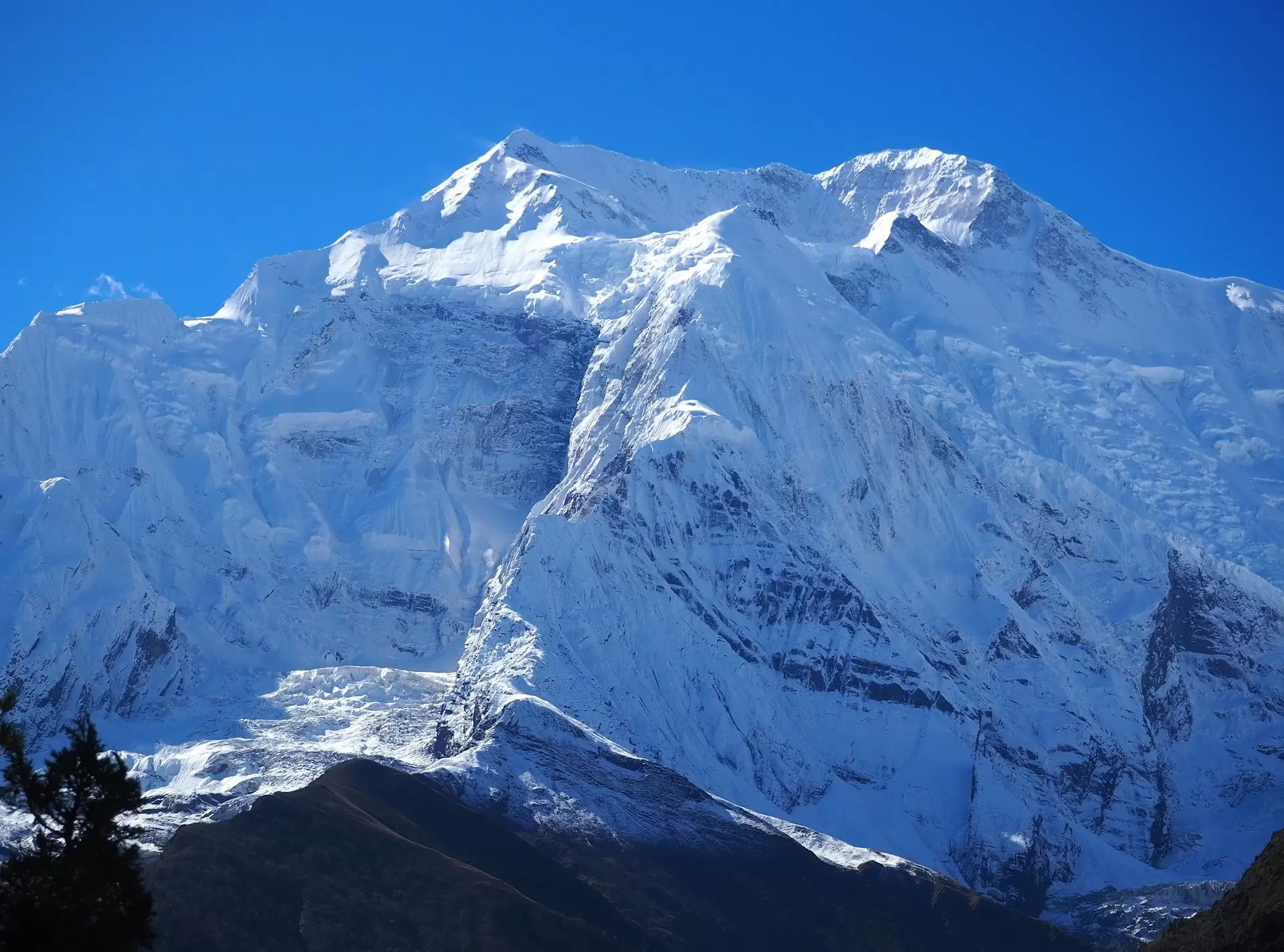
Today’s trek takes you from Upper Pisang to Manang, with an option to take the lower or upper trail. The upper trail, which is more scenic, passes through alpine forests, meadows, and offers stunning views of the Annapurna range, including Annapurna II, III, and Gangapurna. The trek takes about 6-7 hours, and you will pass through the village of Humde before arriving at the bustling town of Manang. Manang is a large village and a key stop on the Annapurna Circuit. The town is surrounded by breathtaking views of snow-capped peaks, and it offers various services and amenities. Overnight in Manang.
Today is your rest day for acclimatization, which is crucial for preventing altitude sickness as you’ll be heading higher in the coming days. In the morning, you can take a short hike to the nearby villages, such as Gangapurna Lake, or take a more challenging hike up to the nearby hills for panoramic views of the surrounding mountains. You can also visit the Manang monastery, relax, and enjoy the town’s peaceful atmosphere. This day will help your body adjust to the higher altitude and prepare for the challenges of the next leg of the trek. Overnight in Manang.
After a restful day in Manang, you will continue your journey towards Yak Kharka, located at 4,110 meters. The trek from Manang to Yak Kharka is relatively short, taking around 3-4 hours, but it is a gradual climb through dry alpine terrain. Along the way, you’ll pass small settlements and grazing areas for yaks and other livestock. The scenery becomes increasingly rugged and dramatic, with views of Annapurna III, Gangapurna, and other peaks. Yak Kharka is a small settlement where you will have the chance to rest and acclimatize before heading higher. Overnight in Yak Kharka.
Today, you’ll cross the legendary Thorong La Pass (5,416m), which is the highest point of the Annapurna Circuit. The ascent is long and challenging, but the views from the top are spectacular, offering panoramic vistas of the Himalayas. After reaching the pass, you will descend to the sacred Muktinath Temple, a pilgrimage site for both Hindus and Buddhists. The trek takes about 7-8 hours in total. Muktinath is a sacred place, and after a long and hard trek, it’s an incredible spot to relax and reflect. Overnight in Muktinath.
After breakfast, you will take a jeep ride down to Tatopani. The drive is an exciting one, taking you through the Kali Gandaki Gorge, one of the deepest gorges in the world, and passing by charming villages along the way. The drive takes around 6-8 hours and offers a beautiful contrast to the previous mountain landscapes. Tatopani is famous for its hot springs, where you can relax and soak your tired muscles after several days of trekking. Overnight in Tatopani.
Today’s trek takes you from Tatopani to Ghorepani, passing through several small villages, terraced fields, and dense forests. The hike is gradual and takes about 7-8 hours. Ghorepani is a popular stop for trekkers on the Annapurna Circuit, and it offers spectacular views of Dhaulagiri and Annapurna I. After arriving in Ghorepani, you can enjoy the beauty of the surrounding mountains. Overnight in Ghorepani.
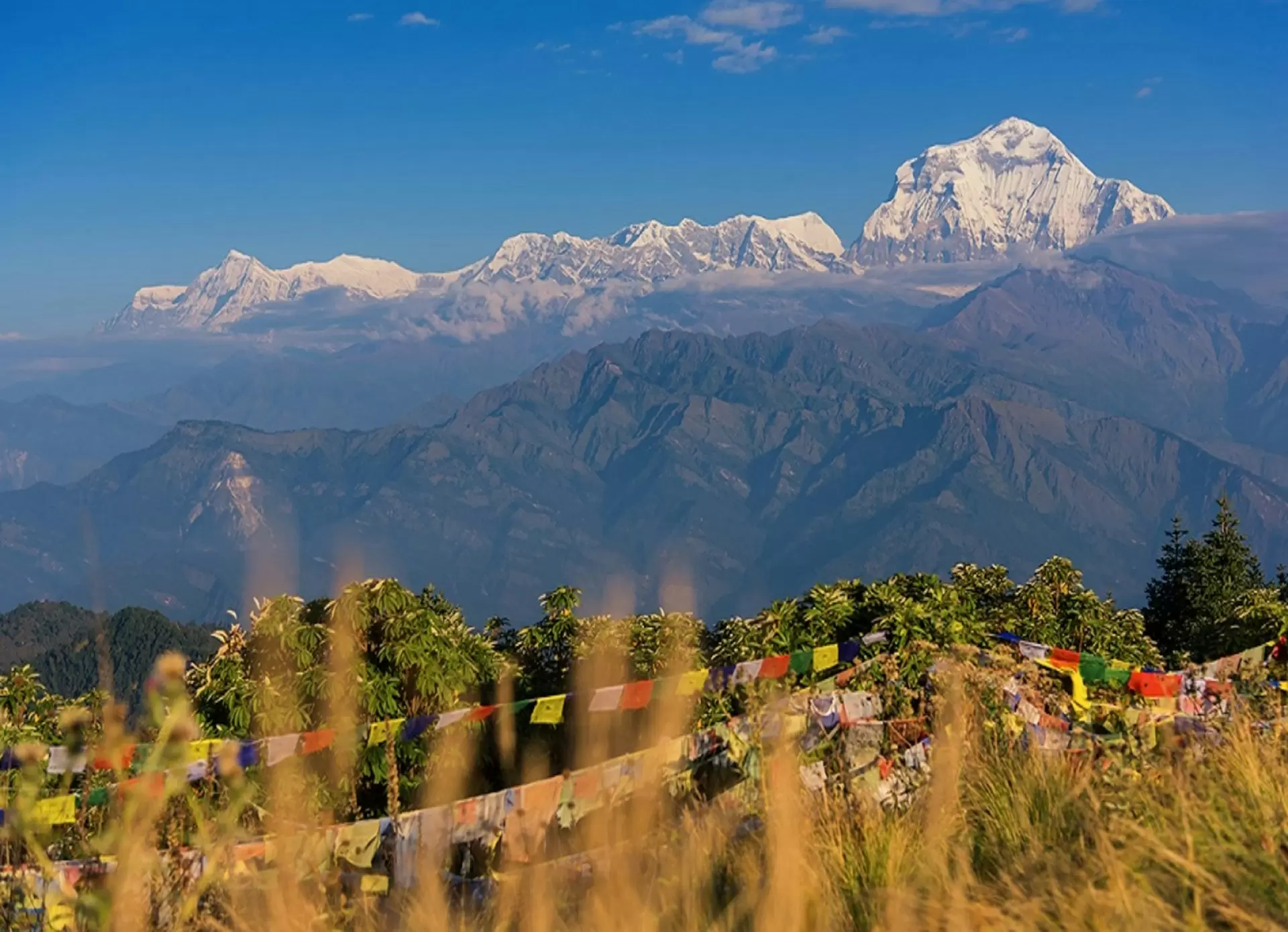
In the early morning, you can choose to hike up to Poon Hill (3,210m) to catch the breathtaking sunrise over the Annapurna and Dhaulagiri ranges. Afterward, you will descend to Tadapani, passing through beautiful rhododendron forests and small villages. The trek to Tadapani takes 6-7 hours and offers stunning views along the way. Overnight in Tadapani.
Today marks the final day of your trek. After breakfast, you will trek from Tadapani to Ghandruk, a picturesque Gurung village with traditional houses and stunning views of the Annapurna range. From Ghandruk, you will continue the trek to Nayapul, where you will take a short drive back to Pokhara. The trek and drive combined take around 6-7 hours. Upon arrival in Pokhara, you can relax and enjoy a leisurely evening by Phewa Lake. Overnight in Pokhara.
After breakfast in Pokhara, you will drive back to Kathmandu. The journey will take about 6 hours, offering you the chance to reflect on your incredible Annapurna Circuit adventure. Upon arrival in Kathmandu, you will be transferred to your hotel. The rest of the day is free for shopping, relaxation, or sightseeing. In the evening, Nepal Passion Treks and Expedition will host a farewell dinner to celebrate your successful trek. Overnight in Kathmandu.
Your Annapurna Circuit Trek comes to an end today. After breakfast, you’ll be transferred to Tribhuvan International Airport for your onward journey or flight back home. You will depart with memories of stunning mountain vistas, diverse cultures, and a sense of accomplishment from completing one of the world's most iconic treks.
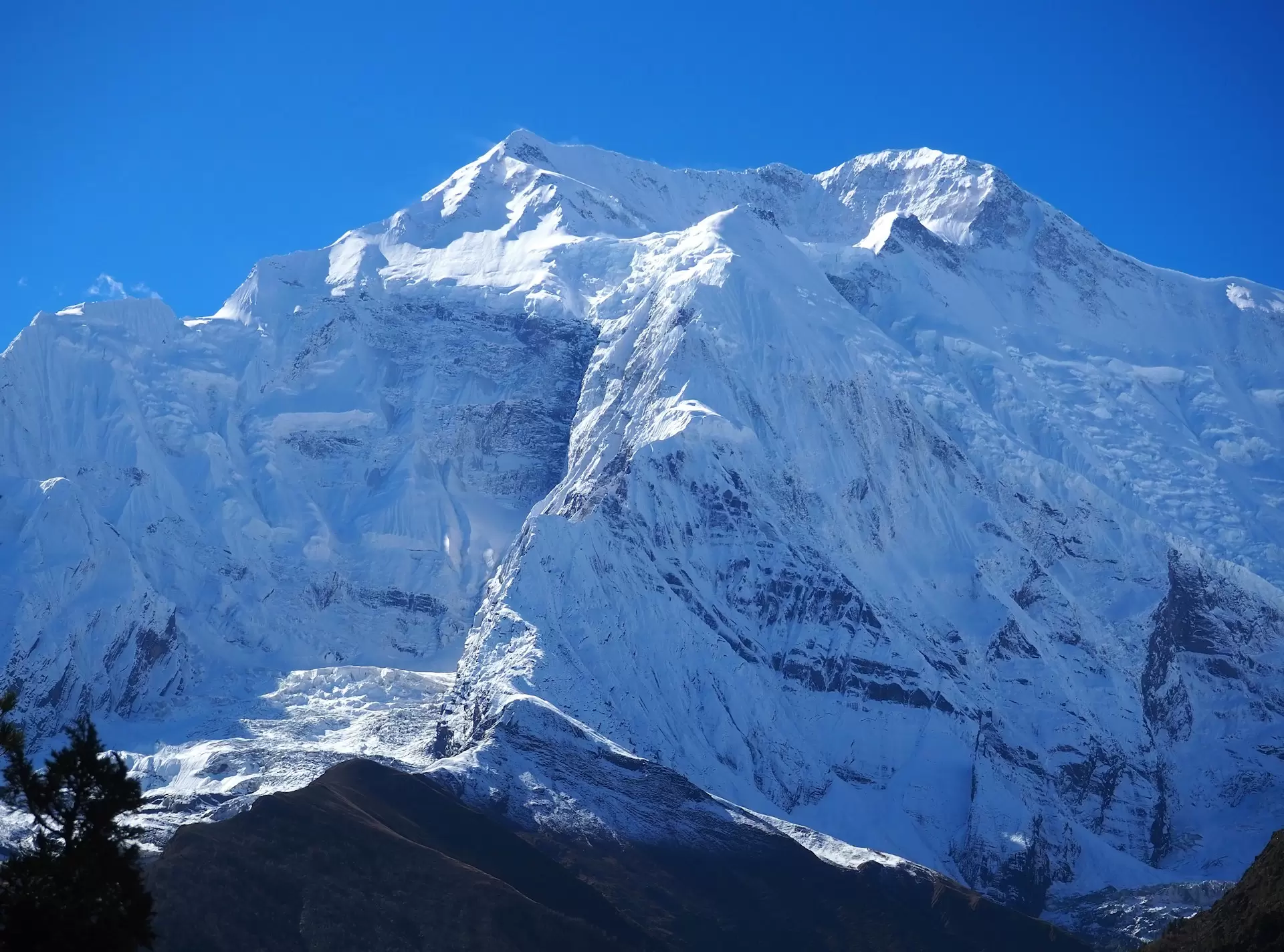
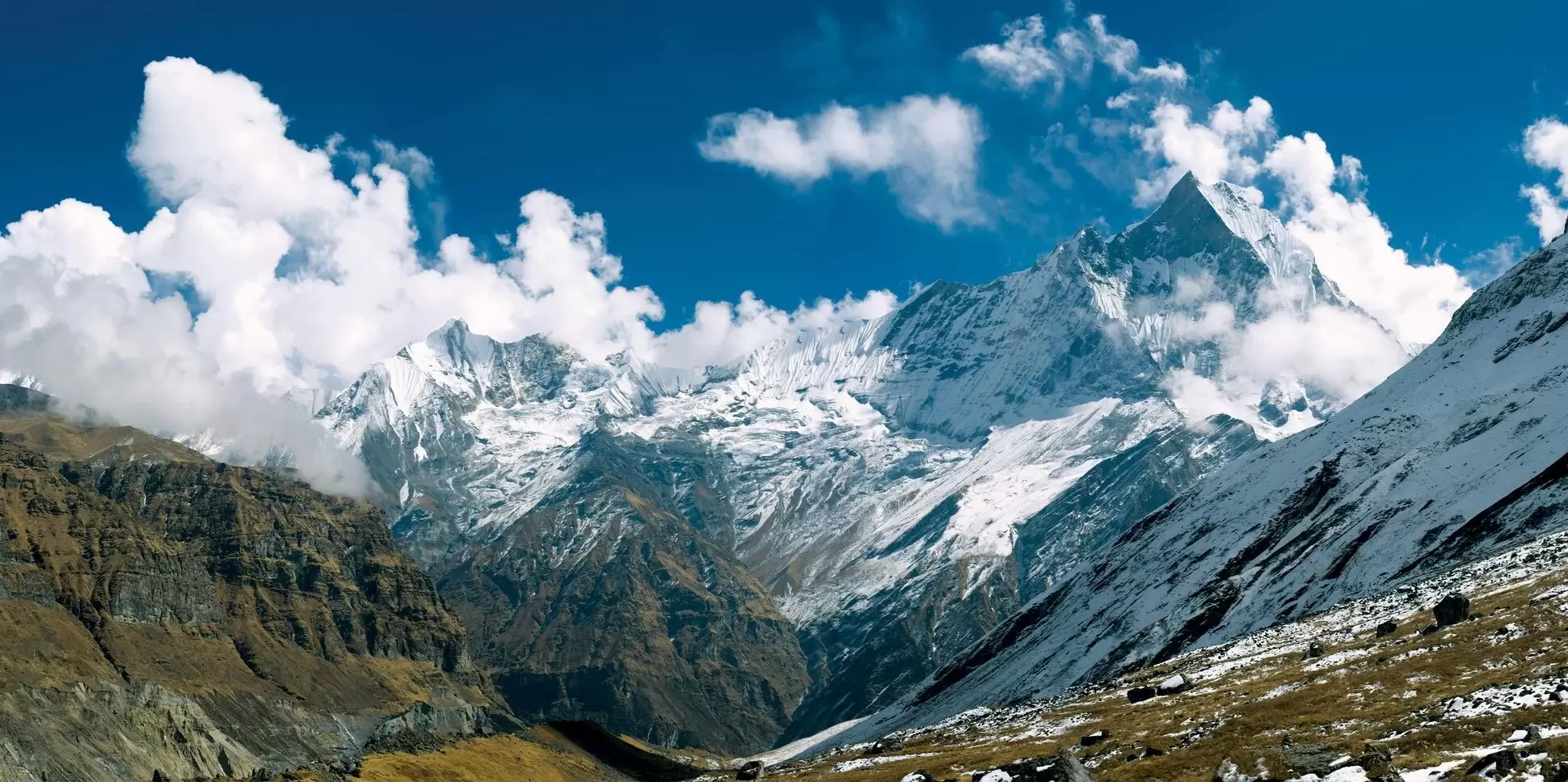
The Annapurna Circuit Trek is one of Nepal’s most famous and diverse trekking routes, known for its breathtaking views of the Annapurna mountain range, cultural diversity, and variety of landscapes. Spanning approximately 160–230 kilometers (depending on the route taken), the trek loops around the Annapurna Massif, taking you through lush subtropical forests, alpine meadows, and the arid landscape of the Tibetan plateau. The trek also crosses the Thorong La Pass, at an altitude of 5,416 meters (17,769 feet), which is one of the highest trekking passes in the world.
The Annapurna Circuit Trek is considered a moderately challenging trek, primarily due to the high-altitude crossing of Thorong La Pass and the varying terrain. While the trek doesn't require technical climbing skills, trekkers need to be physically fit, as there are long, steep ascents and descents, and some sections of the trail can be demanding. The biggest challenge is the altitude gain, especially around Thorong La, which can cause altitude sickness if not approached cautiously. Proper acclimatization and a slow pace are essential for a safe and enjoyable experience.
The best times to trek the Annapurna Circuit are during the spring (March to May) and autumn (September to November) months. These seasons offer the most favorable weather conditions, with clear skies, moderate temperatures, and minimal rainfall. The spring season also brings the blooming of rhododendrons and other wildflowers, enhancing the beauty of the trek. The autumn season is ideal for stunning views of the Annapurna massif, and it is the peak trekking season in Nepal. Winter (December to February) can be cold, particularly at higher elevations, and snow may block the Thorong La Pass, while the monsoon season (June to August) brings heavy rains, making trails muddy and sometimes treacherous.
The highest point on the Annapurna Circuit Trek is Thorong La Pass, located at 5,416 meters (17,769 feet) above sea level. This challenging pass is the highlight of the trek, offering panoramic views of the surrounding Himalayan peaks. Due to its altitude, the pass is susceptible to altitude sickness, so proper acclimatization is critical before attempting to cross.
The Annapurna Circuit Trek typically takes 15 to 20 days to complete, depending on the pace and how much time is taken for acclimatization and rest. Some trekkers opt for a faster version of the trek, skipping certain sections, which can reduce the total trekking time. However, to ensure proper acclimatization, a slower pace is recommended. This allows trekkers to adjust to the changing altitude and reduces the risk of altitude sickness.
While it is possible to trek the Annapurna Circuit independently, hiring a guide and/or porter is highly recommended, especially for those who are new to trekking or trekking in high altitudes. A guide will help navigate the sometimes complex trails, provide information about the local culture and environment, and ensure safety in case of emergencies. A porter can carry your heavy backpack, allowing you to focus on the trek itself. Having a guide and porter also supports the local economy, as many of them come from the surrounding villages.
Along the Annapurna Circuit, trekkers typically stay in teahouses—basic lodges that provide rooms with a bed and shared bathroom facilities. The teahouses also serve food, including traditional Nepalese dishes like dal bhat (lentil soup with rice), momo (dumplings), and other trekking-friendly meals. While teahouses are generally comfortable, the quality of facilities may decrease as you go higher in altitude, with more basic amenities available in remote regions. Some higher-altitude teahouses might offer limited heating and electricity, so it’s a good idea to bring a sleeping bag for warmth.
Yes, trekkers need two permits for the Annapurna Circuit Trek. These are:
Annapurna Conservation Area Permit (ACAP): This is required for entry into the Annapurna region and can be obtained in Pokhara or Kathmandu.
Trekkers' Information Management System (TIMS) Card:This helps keep track of trekkers for safety reasons. Both permits can be acquired easily with a passport and passport-sized photos. It's essential to carry both permits throughout the trek, as they will be checked at various checkpoints along the way.
The Annapurna Circuit Trek is generally safe for trekkers who are well-prepared and follow basic safety guidelines. However, there are certain risks involved, primarily due to the high-altitude crossing of Thorong La Pass. Altitude sickness is a concern at higher elevations, so proper acclimatization and a slow ascent are crucial. In addition, weather conditions in the mountains can change rapidly, so trekkers should be prepared for sudden storms or snowfalls, especially around the Thorong La Pass. It’s recommended to trek with a guide who can help manage these risks and provide assistance in case of an emergency.
ATMs are available in Pokhara and Besisahar, the starting points of the trek, as well as in a few larger villages along the route, such as Manang and Jomsom. However, ATM availability is limited in more remote areas, and some villages may only accept cash. It’s advisable to withdraw enough Nepali Rupees before starting the trek and carry enough cash to cover your expenses, especially in the more isolated sections of the circuit.
Physical preparation for the Annapurna Circuit Trek involves building endurance and strength. Cardiovascular exercises, such as hiking, running, or cycling, can help prepare your body for the long days of trekking. Strengthening your legs, core, and upper body will also help, as carrying a daypack is common during the trek. If possible, try to do practice hikes at higher elevations to acclimatize your body to thinner air. It’s also important to prepare for the altitude by understanding the risks of altitude sickness and taking preventive measures, such as staying hydrated and resting when necessary.
Packing for the Annapurna Circuit requires a combination of practical and essential items to ensure comfort and safety. Key items include:
Trekking boots:Well-broken-in boots are essential for the varied terrain.
Clothing:Layered clothing is the best way to manage fluctuating temperatures, including lightweight and moisture-wicking clothing for lower altitudes and warm layers for higher elevations.
Sleeping bag: A good sleeping bag rated for cold weather, especially if you plan on trekking in winter or early spring.
Water purification:A water bottle and purification tablets or a filtration system to stay hydrated safely.
Personal hygiene items: Sunscreen, wet wipes, toiletries, and a first aid kit.
Other essentials: A camera, power bank, trekking poles, headlamp, and extra batteries.
While the Annapurna Circuit is a relatively safe trek, there are some risks to be aware of:
Altitude sickness: The trek involves high-altitude sections, particularly when crossing Thorong La Pass. Trekking too quickly without proper acclimatization can lead to altitude sickness.
Weather conditions: The weather can change unexpectedly in the mountains, so trekkers should be prepared for rain, snow, and extreme cold, particularly at higher elevations.
Injury: Uneven trails and steep terrain can lead to slips and falls, especially in sections of the trail at higher altitudes where the path may be covered in ice or snow.
Trekking fatigue: The long days of trekking can be physically demanding, so it’s important to take regular breaks, listen to your body, and stay hydrated.