| No of people | Price per person |
|---|---|
| 1 - 1 | $805 |
| 2 - 4 | $755 |
| 5 - 9 | $740 |
| 10 - 15 | $725 |
| 16 - 20 | $710 |
Welcome to Nepal! Upon your arrival at Tribhuvan International Airport, you will be warmly greeted by a representative from Nepal Passion Treks and Expedition, who will transfer you to your hotel in Kathmandu. After check-in, you’ll have some time to relax and recover from your journey. If you arrive early, you can explore the vibrant streets of Thamel, a popular area filled with restaurants, shops, and cafes. In the evening, you will attend a brief orientation meeting where your guide will provide an overview of the trek and answer any questions you may have. Overnight in Kathmandu.
After breakfast, you will embark on a scenic 7-8 hour drive from Kathmandu to Pokhara. The journey takes you along the Prithvi Highway, which offers stunning views of terraced fields, rivers, and the majestic mountain landscapes of the lower Himalayas. Upon reaching Pokhara, you will check into your hotel and then have some time to relax or explore the charming lakeside city. Pokhara is famous for its beautiful Phewa Lake, where you can take a boat ride, as well as its spectacular views of the Annapurna mountain range. You’ll also have the opportunity to visit the International Mountain Museum or relax in one of the lakeside cafes. Overnight in Pokhara.
After breakfast, you will drive from Pokhara to Nayapul, which takes about 1.5 hours. Once you arrive at Nayapul, you will start your trek to Tikhedhunga, which takes around 3-4 hours. The trail follows the Modi Khola River and passes through several small villages and lush forests. You will cross a few suspension bridges and enjoy the rural scenery as you ascend gently towards Tikhedhunga. Upon arrival at Tikhedhunga, you’ll settle into your lodge and enjoy a peaceful evening. Overnight in Tikhedhunga.
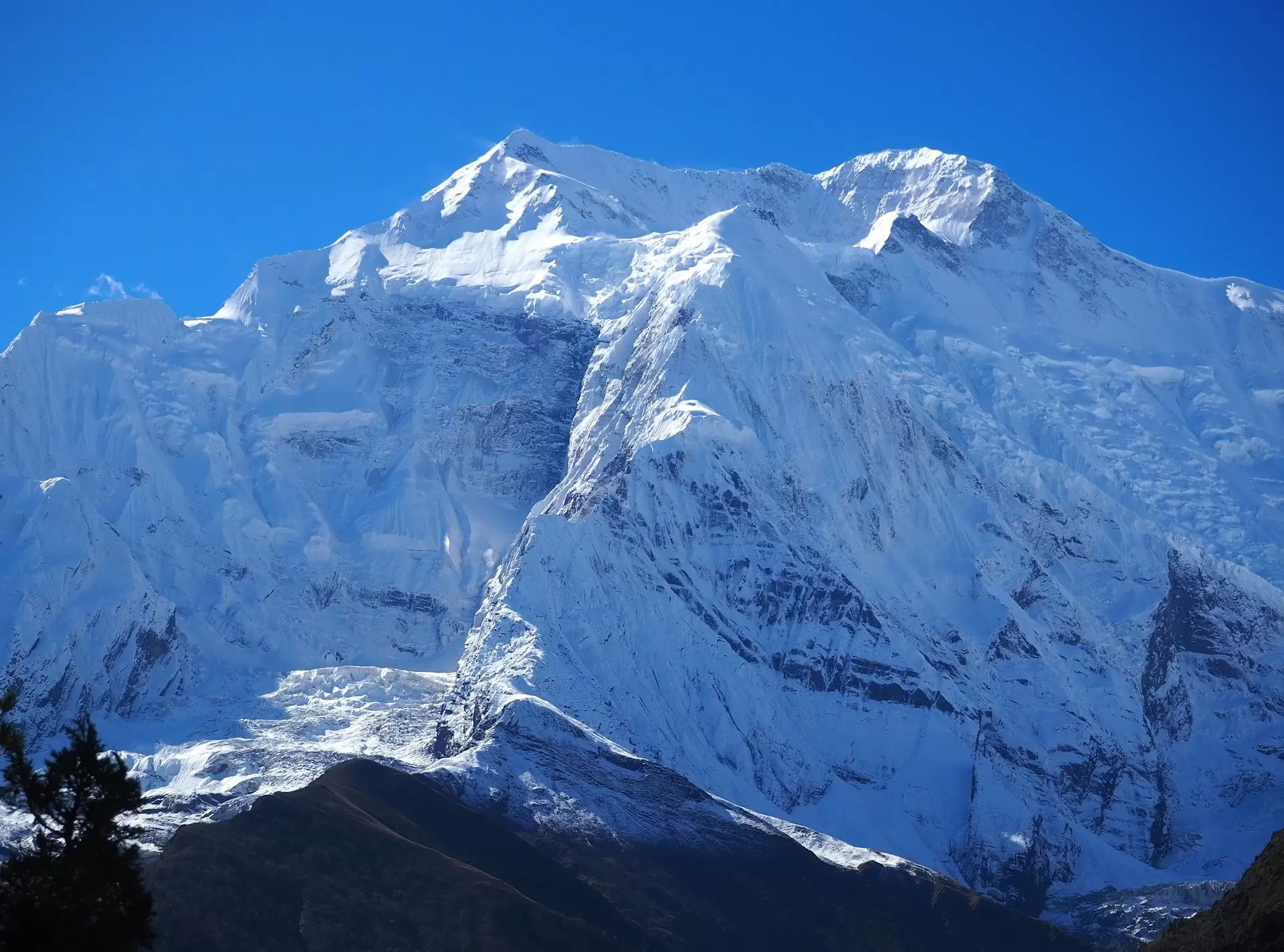
Today’s trek is a bit more challenging as you will gain significant altitude. After breakfast, you will begin the ascent to Ghorepani, passing through the picturesque village of Ulleri, which is located at an altitude of 2,070 meters. The trail is steep, but the views along the way are stunning. As you trek higher, you will pass through beautiful oak and rhododendron forests, and the air will become cooler. After 6-7 hours of trekking, you will reach Ghorepani, a popular trekking destination known for its panoramic mountain views. The village is situated at the base of Poon Hill, and the views of the surrounding peaks, including Dhaulagiri and Annapurna South, are incredible. Overnight in Ghorepani.
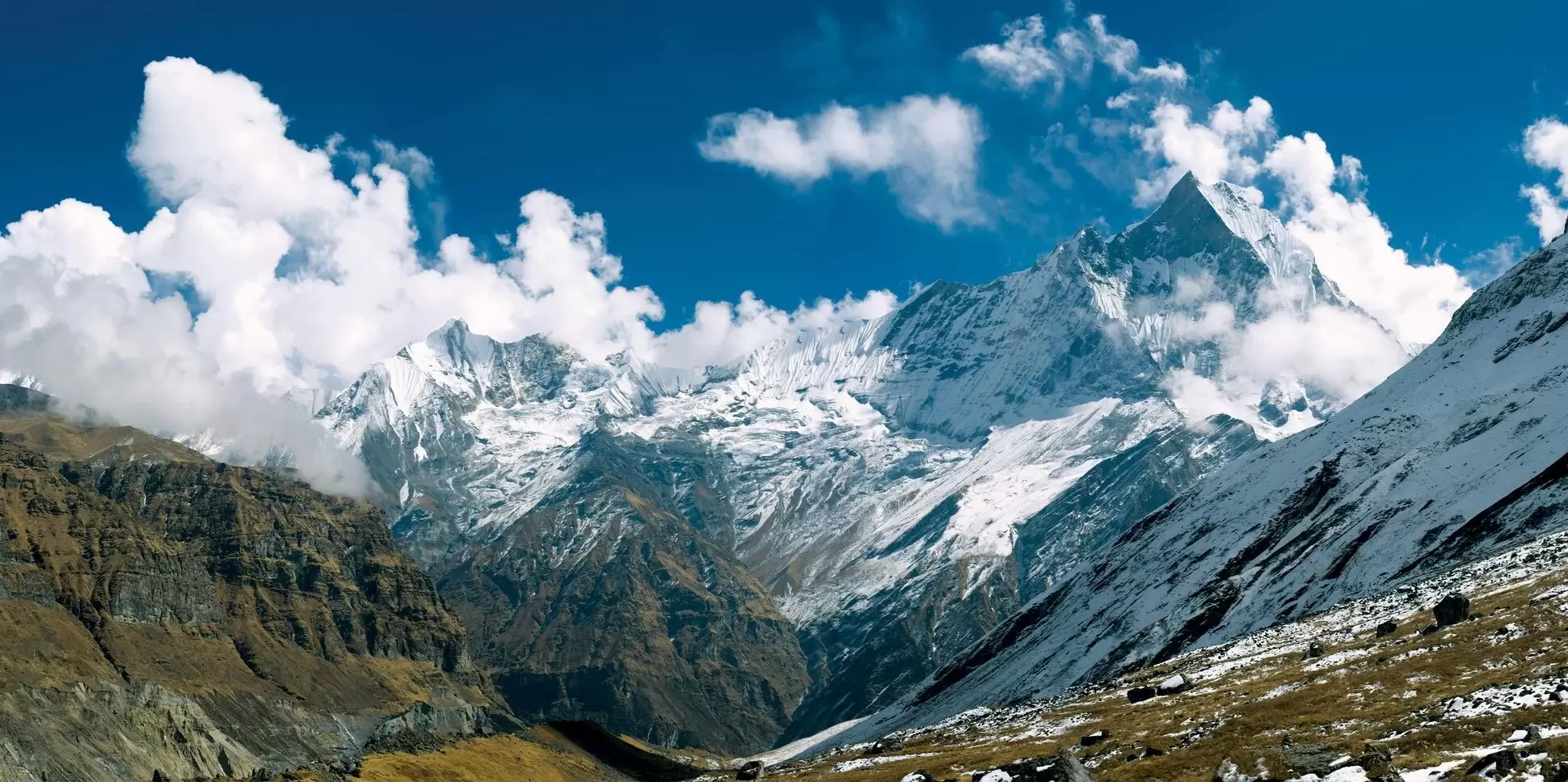
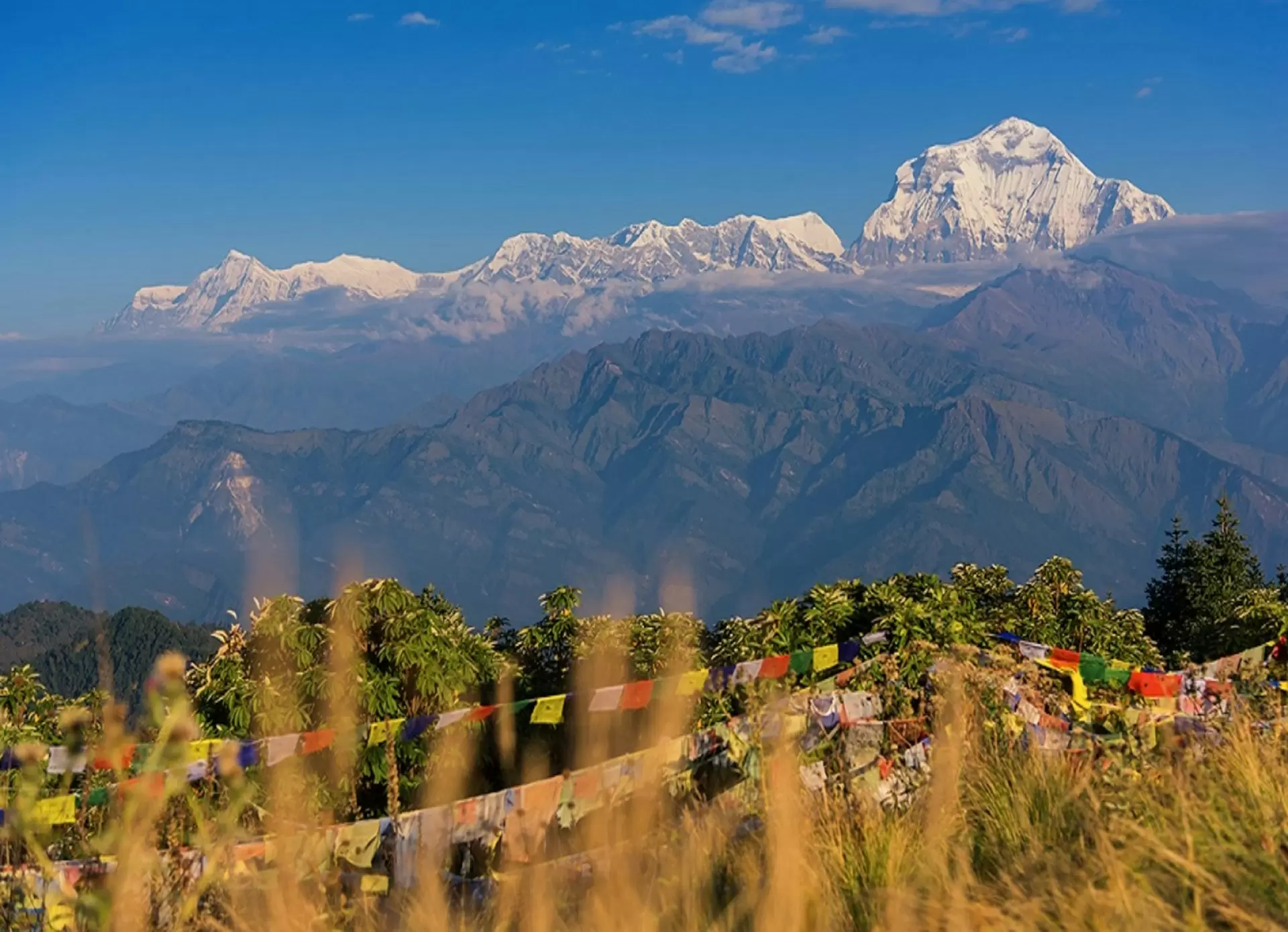
This morning, you will wake up early to catch the sunrise from Poon Hill, one of the highlights of the trek. Poon Hill offers a breathtaking panoramic view of the Annapurna and Dhaulagiri mountain ranges, with a spectacular sunrise casting golden light on the snow-capped peaks. After enjoying the sunrise, you will return to your lodge for breakfast and then continue your trek towards Tadapani. The trek from Ghorepani to Tadapani takes about 6 hours and passes through beautiful forests of rhododendron and oak. Along the way, you’ll have occasional glimpses of the majestic mountains, and you will stop at several small villages. Tadapani is a peaceful village located at a higher altitude, offering fantastic views of Annapurna South and Machapuchare (Fishtail Mountain). Overnight in Tadapani.
After breakfast, you will begin your descent from Tadapani to Ghandruk, a charming Gurung village with traditional stone houses and a rich cultural heritage. The trail is mostly downhill, and the 2-hour trek through the lush forests of rhododendron and oak will take you to Ghandruk. You’ll have time to explore the village and visit the local museum to learn more about the Gurung culture. Afterward, you will continue the descent towards Nayapul, which takes around 4 hours. Upon reaching Nayapul, you will drive back to Pokhara, where you can relax and enjoy a leisurely evening. Overnight in Pokhara.
After breakfast, you will take a 7-8 hour drive back to Kathmandu. The scenic drive will allow you to relax and reflect on the incredible trekking experience you’ve just had. Upon arrival in Kathmandu, you’ll be transferred to your hotel. In the evening, Nepal Passion Treks and Expedition will host a farewell dinner to celebrate the completion of your trek. This is a great opportunity to share stories with your fellow trekkers and guides, and to enjoy traditional Nepali food and culture. Overnight in Kathmandu.
Today marks the end of your adventure. After breakfast, you’ll be transferred to Tribhuvan International Airport for your departure flight. You’ll leave Nepal with unforgettable memories of the stunning landscapes, cultural encounters, and the joy of reaching new heights in the beautiful Annapurna region. Safe travels, and we hope to see you again on another trek with Nepal Passion Treks and Expedition.
ネパールの色々なツアーももちろんですが、自分のやりたいこともプランを組んでくれて、すごく親切でフレンドリーでした!日本語も堪能で、ネパールに来た時は是非おすすめできます🇳🇵 It was so good experience for the first time to travel in Nepal with this company. I’m gonna visit again here !
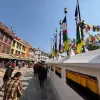
The Ghorepani Poon Hill Trek is one of the most popular and accessible treks in Nepal, known for its stunning views of the Annapurna and Dhaulagiri mountain ranges. This trek offers a perfect blend of natural beauty, cultural experiences, and a relatively short duration, making it ideal for trekkers with limited time or those who want to experience the Himalayas without extreme altitude. The trek takes you through picturesque villages, lush forests, terraced fields, and rhododendron forests, with the highlight being the sunrise view from Poon Hill (3,210 meters/10,531 feet), where you can see panoramic views of the Annapurna, Machapuchare (Fishtail), Dhaulagiri, and other peaks.
The Ghorepani Poon Hill Trek is considered easy to moderate in difficulty. It’s suitable for beginners or trekkers with moderate fitness levels, as it doesn't involve technical climbing and the altitude gain is gradual. The trek includes some steep ascents and descents, but overall, it is less demanding than longer or higher-altitude treks like the Annapurna Circuit or Everest Base Camp Trek. You will typically walk between 4 to 7 hours a day, with the steepest sections of the trek occurring on the climb to Poon Hill early in the morning.
The best times to do the Ghorepani Poon Hill Trek are during the autumn (September to November) and spring (March to May) seasons. These months offer the best weather conditions for trekking, with clear skies, moderate temperatures, and beautiful mountain views. The autumn season is especially popular as it offers excellent visibility of the surrounding peaks and is also the main trekking season in Nepal. The spring season brings blooming rhododendrons, making the trail even more beautiful. The winter months (December to February) can be cold, especially at higher altitudes, and snow may make some sections of the trail challenging. The summer or monsoon season (June to August) is less ideal due to frequent rain, which can make trails muddy and slippery.
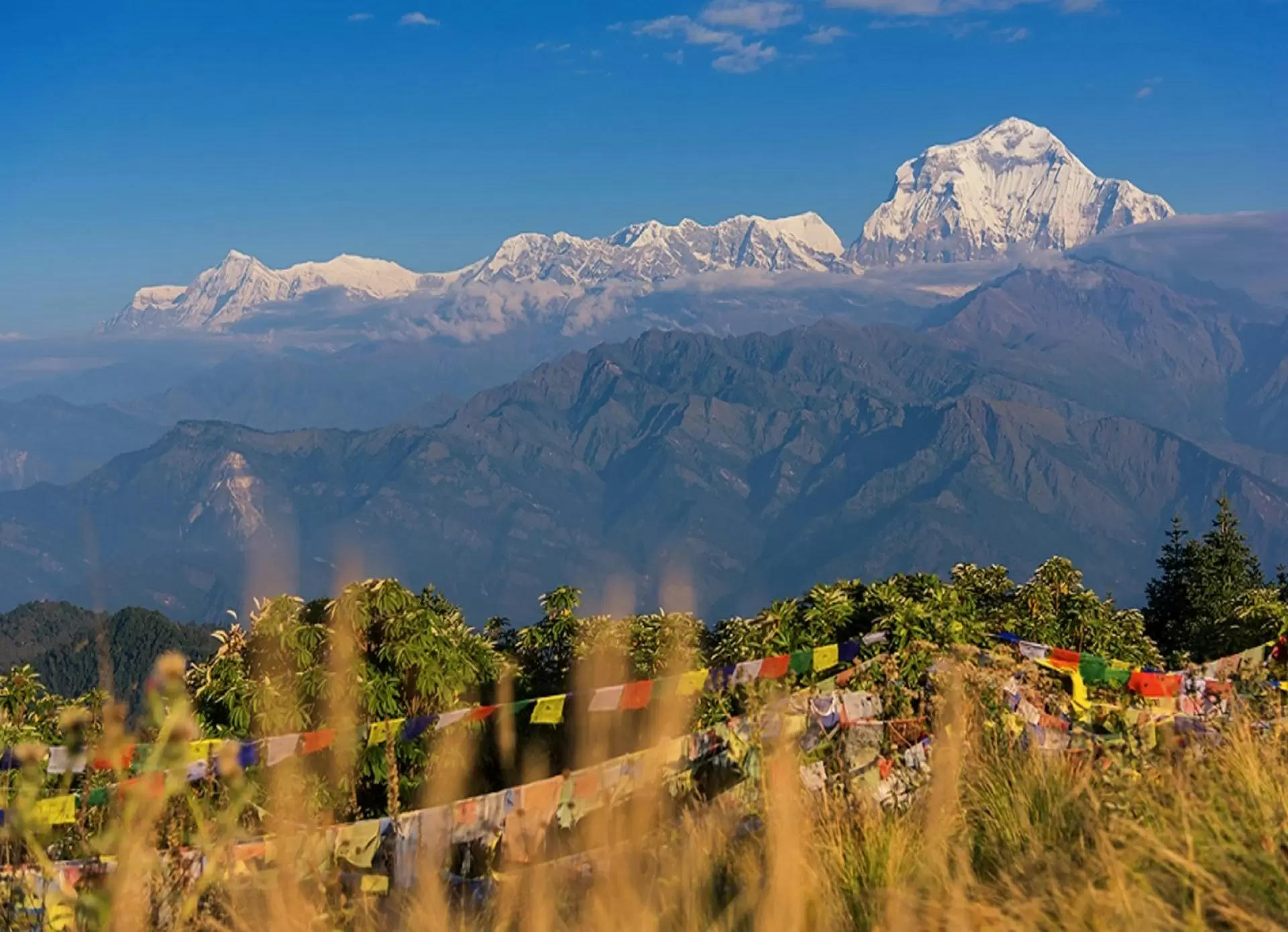
The highest point on the Ghorepani Poon Hill Trek is Poon Hill, located at 3,210 meters (10,531 feet) above sea level. Poon Hill is the trek’s highlight and provides one of the most spectacular sunrise views in Nepal, with a 360-degree panorama of the Annapurna and Dhaulagiri mountain ranges.
While the Ghorepani Poon Hill Trek can be done independently, hiring a guide or porter is highly recommended, especially if you’re new to trekking in Nepal or unfamiliar with the trail. A guide can help with navigation, offer cultural insights, and ensure safety, while a porter can carry your heavy gear, making the trek more comfortable. Many trekkers opt for a guide because of the language barrier, to enrich the trekking experience, and for added safety. You can easily hire a guide or porter in Kathmandu or Pokhara, where many trekking agencies offer these services.
Accommodation along the Ghorepani Poon Hill Trek is primarily in teahouses—basic guesthouses offering rooms with a bed and shared bathroom facilities. These teahouses also serve food, including typical Nepali dishes like dal bhat (lentil soup with rice), momos (dumplings), and other trekking-friendly meals such as noodles, pasta, and soup. As you ascend higher, the amenities may become more basic, but teahouses provide a comfortable place to rest after a day of trekking. Some teahouses may have limited electricity, so it’s a good idea to carry a headlamp or flashlight and bring extra power banks to charge devices.
Yes, you will need two permits for the Ghorepani Poon Hill Trek:
Annapurna Conservation Area Permit (ACAP): Required to enter the Annapurna region, which can be obtained at the ACAP office in Pokhara or Kathmandu.
Trekkers’ Information Management System (TIMS) Card: This helps ensure safety and assists authorities in case of emergencies. This can also be obtained in Pokhara or Kathmandu.
Both permits are relatively inexpensive and easy to obtain, and you will need to carry them throughout your trek, as they will be checked at various checkpoints along the route.
Yes, the Ghorepani Poon Hill Trek is generally safe, with well-established trails and a high level of infrastructure for trekkers. However, as with any trek, it's important to take necessary precautions. The altitude gain is gradual, so the risk of altitude sickness is minimal, but it’s still important to stay hydrated, avoid pushing yourself too hard, and rest if needed. The trek is also well-trafficked, so there are plenty of fellow trekkers and local guides available if you need assistance. Having a guide can increase your safety, especially in remote areas.
ATMs are available in Pokhara, which is the starting and ending point of the trek, and in a few larger towns along the route such as Besisahar. However, once you start trekking, there are no ATMs in the more remote areas of the trail. It’s important to withdraw enough Nepali Rupees before starting the trek to cover all your expenses, including accommodation, meals, and any other purchases along the way. Cash is the most common form of payment in the teahouses and villages.
Packing for the Ghorepani Poon Hill Trek requires a combination of lightweight and functional items for the varying weather conditions and terrain. Some essentials include:
Trekking boots: Sturdy, comfortable boots for walking on uneven trails.
Clothing: Layered clothing to adjust to the temperature fluctuations. Bring warm layers for the early morning and evening, as well as lighter clothing for daytime.
Sleeping bag: A lightweight sleeping bag rated for cold temperatures, especially for higher elevations.
Water purification: A refillable water bottle and purification tablets or a water filter system.
Sunscreen, hat, and sunglasses: Protect yourself from the sun, especially at higher altitudes.
Personal hygiene items: Wet wipes, toilet paper, and basic toiletries.
Camera and power bank: To capture the views and stay charged.
Trekking poles: Helpful for stability, particularly when descending.
Yes, the Ghorepani Poon Hill Trek is suitable for families with children and elderly trekkers, as the trek is not too strenuous. However, as with any trek, it’s important to go at a comfortable pace, take regular breaks, and stay hydrated. The altitude is manageable, but it’s still recommended to allow enough time for acclimatization. Families and older trekkers should consider hiring a guide to ensure a safer and more enjoyable experience. The relatively short duration of the trek also makes it a great option for those looking for a more leisurely trekking experience in Nepal.
The risks on the Ghorepani Poon Hill Trek are relatively low due to the moderate altitude and well-marked trails. However, there are a few risks to consider:
Altitude sickness:While the risk is minimal compared to other higher-altitude treks in Nepal, it’s still important to listen to your body and take breaks if needed.
Weather: Weather can change quickly, especially at higher altitudes. It’s important to be prepared for rain, wind, and cold temperatures.
Slips and falls:The trails can be slippery, especially in the rainy season or when descending. Trekking poles can help with balance, especially during steep sections.