Nepal Passion Treks and Expedition

Kathmandu Valley Sightseeing Tour

  • Best price guaranteed
  • No booking fees
  • Book Now, Pay Later
from 1 reviews
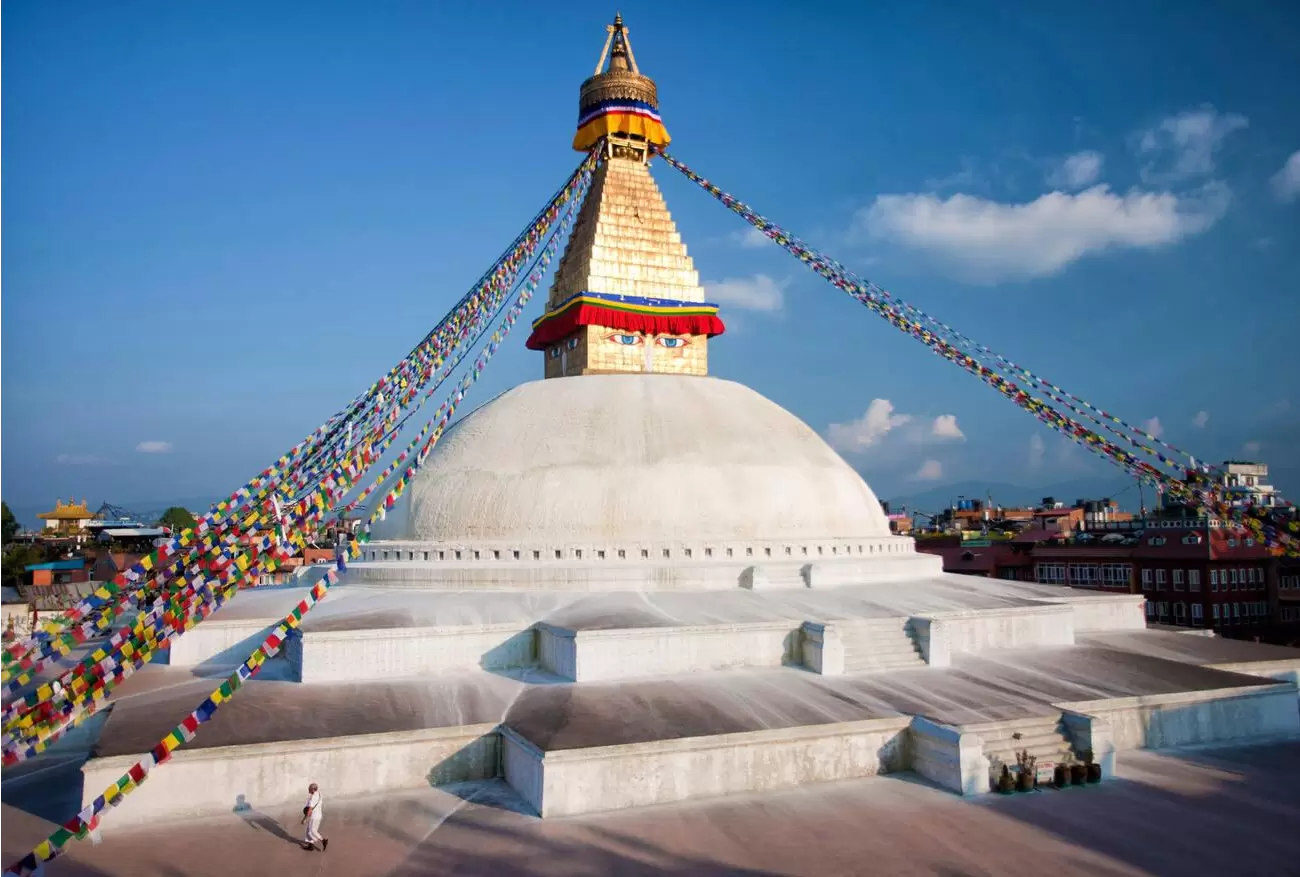
Boudhanath stupa in Kathmandu, Nepal
Days
1
  • Best price guaranteed
  • No booking fees
  • Book Now, Pay Later
Share
Print
Max. Elevation
1400 m / 4593 ft
Group size
Min 1+
Level
Beginner
Transportation
All ground transportation as per itinerary
Best Season
All around year
Starts at / Ends at
Kathmandu / Kathmandu
Accomodation
NA
Meals
Breakfast in Kathmandu
Trip Route

Highlights

  • Boudhanath Stupa - Visit one of the largest stupas in Nepal, a UNESCO World Heritage site, and experience the spiritual atmosphere of this Tibetan Buddhist hub.
  • Pashupatinath Temple - Explore the sacred Hindu temple complex, known for its impressive pagoda architecture and as a major pilgrimage site for Hindus worldwide.
  • Monkey Temple (Swayambhunath) - Hike up to this iconic hilltop stupa for panoramic views of the Kathmandu Valley and observe the playful monkeys that roam the area.
  • Kathmandu Durbar Square (Basantapur) - Wander through the historic heart of Kathmandu, featuring ancient palaces, temples, and courtyards showcasing traditional Newar architecture.

Overview

The Kathmandu Valley Sightseeing Tour offers a fantastic opportunity to explore some of the most iconic cultural and historical landmarks in Kathmandu, Nepal's bustling capital. The valley, a UNESCO World Heritage site, is home to seven UNESCO-listed monuments, many of which reflect the country's rich religious and architectural history. On this tour, you will visit Boudhanath Stupa, Pashupatinath Temple, Swayambhunath Stupa (Monkey Temple), and Kathmandu Durbar Square (Basantapur), each of which plays a significant role in Nepal’s spiritual, cultural, and architectural heritage.

Boudhanath Stupa
Boudhanath Stupa is one of the largest and most important Tibetan Buddhist stupas in the world. Located just outside the bustling streets of Kathmandu, this impressive structure serves as a center of Tibetan culture and religion in Nepal. The stupa is known for its enormous mandala, with the giant eyes of the Buddha painted on all four sides of the stupa's tower, symbolizing the Buddha’s watchfulness. Pilgrims from around the world come here to perform the traditional kora, or circumambulation, walking clockwise around the stupa, chanting mantras as they go. The stupa is surrounded by numerous monasteries, shrines, and prayer wheels, and visitors can observe monks and locals engaged in prayer rituals.

On the Kathmandu Valley Sightseeing Tour, you'll have the chance to explore the surrounding area as well, with its vibrant Tibetan shops, cafes, and restaurants. The site is particularly enchanting in the early morning or late afternoon when the golden light of the sun casts long shadows across the stupa, and the constant flow of pilgrims creates an atmosphere of spiritual devotion. Boudhanath is not only a place of religious significance but also an important cultural hub where travelers can immerse themselves in the Tibetan way of life.

Pashupatinath Temple
Pashupatinath Temple, one of the holiest temples in Nepal, is dedicated to Lord Shiva, the Hindu god of destruction and transformation. Located on the banks of the Bagmati River, the temple complex is a vibrant center of Hindu worship and one of the most revered pilgrimage sites in the world. The main pagoda-style temple is adorned with intricate carvings and golden roofs, but access to the inner sanctum is restricted to Hindus only. However, visitors can still enjoy the complex from the surrounding courtyards, where several smaller temples and shrines are scattered.

A key highlight of Pashupatinath is the ghats (steps leading to the river) along the Bagmati River, where you can witness Hindu cremation ceremonies. These rituals are an integral part of Nepalese culture and provide visitors with a glimpse into the spiritual life of the Hindu community. The sight of funeral pyres burning along the riverbank is deeply moving, and it is a place where life, death, and the cycle of reincarnation are symbolically linked. The temple itself is surrounded by lush gardens, and the atmosphere is filled with the sounds of temple bells, chanting, and the occasional Hindu sadhus (holy men) offering blessings.

Swayambhunath Stupa (Monkey Temple)
Swayambhunath Stupa, also known as the Monkey Temple, is one of the most iconic landmarks in Kathmandu, sitting atop a hill that offers sweeping panoramic views of the valley. The stupa is surrounded by numerous shrines, temples, and statues, and is believed to have been established around 2,000 years ago, making it one of the oldest and most important religious sites in Nepal. The stupa itself is a large, white, dome-like structure topped with a golden spire, and the Buddha eyes painted on all four sides symbolize the all-seeing nature of the Buddha.

As the name "Monkey Temple" suggests, the stupa is also home to a large population of monkeys, which can be seen playing and lounging around the complex. Visitors can enjoy a leisurely climb up the 365 steps to reach the stupa, passing by shrines and statues dedicated to various deities along the way. Once at the top, you will be rewarded with stunning views of Kathmandu Valley and the surrounding mountains. The site is also a place for spiritual reflection, where you can find Buddhist monks and pilgrims engaged in prayer and meditation. The atmosphere here is both peaceful and vibrant, making it a highlight of any Kathmandu sightseeing tour.

Kathmandu Durbar Square (Basantapur)
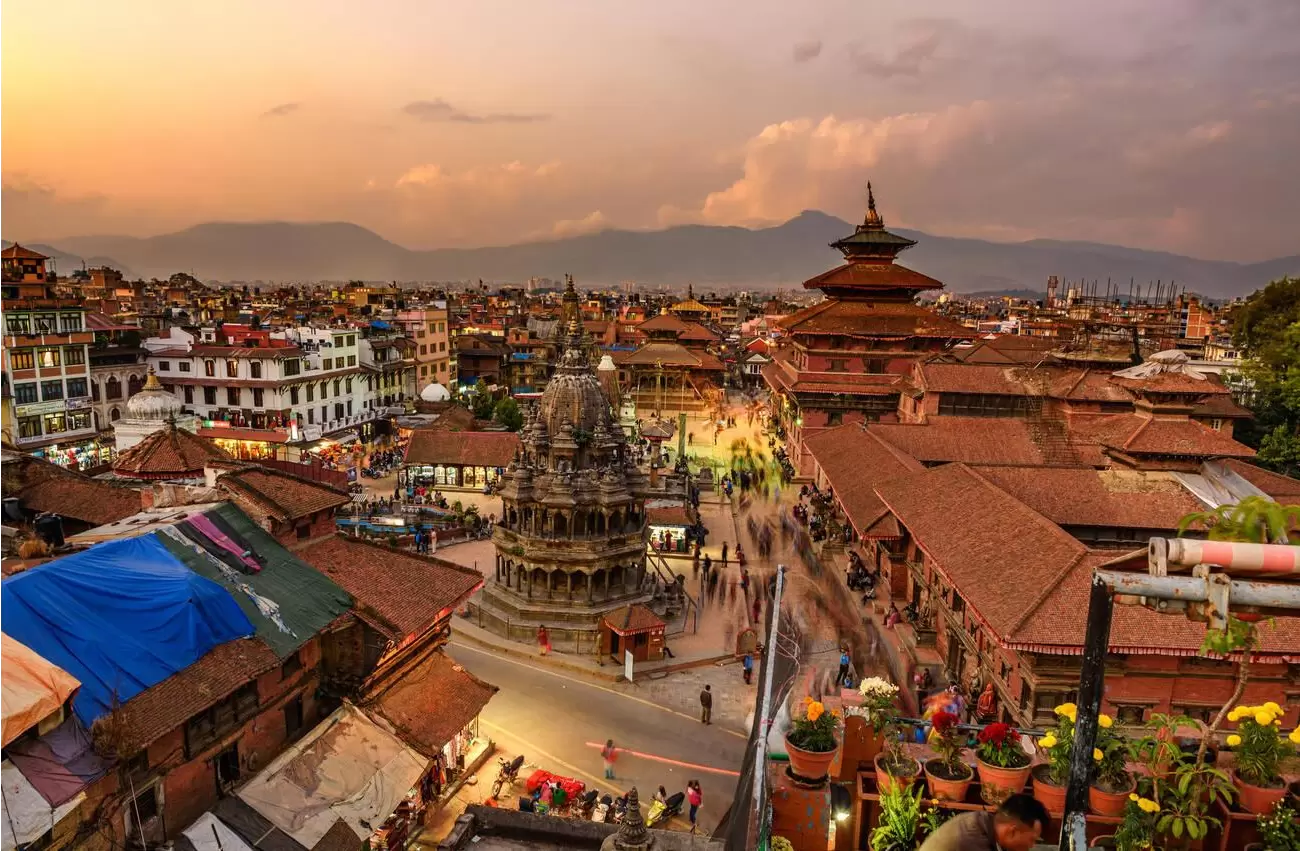
Kathmandu Durbar Square, located in the heart of Kathmandu's old city, is a stunning example of Newar architecture and a UNESCO World Heritage Site. This historical complex once served as the royal palace and was the seat of the Malla kings, making it one of the most culturally significant places in Nepal. The square is home to a wealth of temples, palaces, and courtyards, each with its unique design and historical importance. Notable structures include the Hanuman Dhoka Palace, the Kumari Ghar (the residence of the living goddess, the Kumari), and the Kasthamandap, a wooden pavilion that is said to have given the city its name.

The architecture of the square is a fusion of Hindu and Buddhist designs, with intricately carved wooden windows, golden roofs, and stone statues. While much of the square was damaged in the 2015 earthquake, efforts are ongoing to restore these historic structures, and many important sites remain intact. Visitors to Kathmandu Durbar Square can explore its many shrines and temples, enjoy the lively atmosphere, and observe the traditional Newar culture that flourishes in the area. The square also hosts local markets and street vendors, where you can shop for traditional handicrafts, textiles, and religious items.

Permits for Kathmandu Valley Sightseeing Tour
For most of the major sights in the Kathmandu Valley Sightseeing Tour, no special permits are required for foreigners, except for Swayambhunath and Pashupatinath Temple, which may have a small entry fee. These fees help with the maintenance and conservation of the historical sites. The entry fees vary slightly depending on the site, and the total cost is usually minimal.

Nepal Passion Treks and Expedition ensures that all necessary entry fees and permits are taken care of before your visit, and any required tickets will be arranged as part of the sightseeing package. The tour is designed to be stress-free, with local guides handling all the logistics for you.

Transportation
During the Kathmandu Valley Sightseeing Tour, Nepal Passion Treks and Expedition arranges comfortable and private transportation, typically in air-conditioned cars or vans, depending on the size of your group. The distances between the key sites are relatively short, making it convenient to travel by car. The tour includes pick-up and drop-off services at your accommodation, and all transportation is handled smoothly, allowing you to relax and focus on the cultural and spiritual experiences of the day.

For visitors who prefer a more local experience, it is also possible to explore the Kathmandu Valley by rickshaw or local taxis, though this option is not typically part of the organized sightseeing tours. Whether you’re traveling by private vehicle or a local mode of transport, Nepal Passion Treks and Expedition ensures a comfortable and safe experience while exploring Kathmandu’s top attractions.

Communication and Networking
Kathmandu is a bustling, modern city with reliable mobile phone and internet connectivity. You can easily access Wi-Fi in most hotels, cafes, and restaurants, and the city has a good mobile network. Nepal Passion Treks and Expedition provides all necessary information for local SIM cards, if needed, and ensures that you have access to reliable communication while you’re on the tour.

For those needing to stay connected with family or work, most accommodations around Kathmandu Durbar Square and Swayambhunath offer Wi-Fi services, and the city itself has many internet cafes. For emergency situations, your guide will have access to a satellite phone or local mobile phone to ensure you are always in touch with the team.

Difficulty
The Kathmandu Valley Sightseeing Tour is suitable for all types of travelers, regardless of age or physical fitness. The tour involves short, easy walks between sites and minimal physical exertion, making it perfect for families, senior travelers, and anyone who prefers a leisurely exploration of the city.

While some of the sites, such as Swayambhunath, require a bit of physical activity (e.g., climbing the 365 steps), these are not strenuous, and plenty of breaks can be taken along the way. Most of the tour involves sightseeing, walking around temple courtyards, and exploring the historical monuments, all of which are relatively easy and accessible.

Food and Accommodation
During the Kathmandu Valley Sightseeing Tour, you’ll have the chance to sample a variety of delicious Nepali cuisine, as well as international options, depending on your preferences. The tour typically includes stops at local restaurants or cafes, where you can enjoy traditional dishes such as dal bhat (lentil soup with rice), momos (dumplings), sel roti (traditional sweet rice doughnuts), and yak cheese. You may also choose to try international fare such as pizza, pasta, and Tibetan food, especially in places like Thamel and Boudhanath.

As for accommodations, the tour usually involves staying in comfortable, centrally located hotels or guesthouses that offer easy access to the key sightseeing sites. Options range from budget accommodations to more luxurious 4- or 5-star hotels, ensuring there is something to suit every budget.

Trip and Weather
The best time to visit Kathmandu and the surrounding valley is during the spring (March to May) and autumn (September to November) seasons, when the weather is mild, and skies are clear, offering optimal visibility for sightseeing. The temperature ranges from 15°C to 25°C (59°F to 77°F), making it comfortable for walking and exploring the cultural sites.

The winter season (December to February) can be cooler, especially in the evenings, with temperatures dropping to around 5°C (41°F), but the daytime weather is still pleasant. The monsoon season (June to August) should be avoided due to heavy rainfall, which can disrupt travel plans and make some roads and sites inaccessible.

Why with Nepal Passion Treks and Expedition?
Nepal Passion Treks and Expedition is the perfect company for a comprehensive and well-organized Kathmandu Valley Sightseeing Tour. They provide experienced local guides who offer in-depth knowledge of the history, culture, and significance of each site you visit, ensuring you gain a deeper understanding of Nepal’s spiritual and cultural heritage. The company also ensures that all logistical arrangements, including entry permits, transportation, and meals, are smoothly taken care of, so you can relax and fully enjoy your time in the valley.

With a focus on customer satisfaction and personalized services, Nepal Passion Treks and Expedition tailors the itinerary to match your pace and interests. Whether you're a history buff, spiritual seeker, or simply someone who enjoys immersing yourself in local culture, this tour offers a unique and enriching experience that will leave you with lasting memories of Nepal's ancient capital.

Important Note

Trip Itinerary

Your Kathmandu Valley Sightseeing Tour begins with a pickup from your hotel by a private vehicle, ensuring your comfort throughout the day. This full-day excursion will take you to four of the most significant UNESCO World Heritage Sites in Kathmandu. The tour is designed to give you a deeper understanding of Nepal's rich cultural and spiritual heritage. You will be accompanied by an experienced guide from Nepal Passion Treks and Expedition, who will share the fascinating history and local stories behind each of these iconic sites.

First Stop: Boudhanath Stupa (The Great Stupa of Boudhanath)

Your journey begins with a visit to Boudhanath Stupa, one of the largest and most revered Buddhist stupas in the world. Located on the outskirts of Kathmandu, this stupa is a hub of Tibetan Buddhism and a UNESCO World Heritage Site. As you arrive, you will be awestruck by the colossal size of the stupa, with its massive mandala-shaped base. You can walk around the stupa, known as the kora, where Tibetan Buddhists and monks can be seen spinning prayer wheels and offering prayers. The vibrant prayer flags fluttering in the wind add to the spiritual atmosphere. Your guide will explain the significance of the stupa, the symbolism of the Buddha's eyes that gaze out from all four sides, and its role in Tibetan culture.

Second Stop: Pashupatinath Temple (Hindu Temple of Lord Shiva)

Next, head to Pashupatinath Temple, one of the holiest Hindu temples in Nepal, dedicated to Lord Shiva. Located on the banks of the Bagmati River, Pashupatinath is an important pilgrimage site for Hindus, drawing visitors from across Nepal and India. As you arrive at this sacred temple complex, you will see stunning pagoda-style architecture, ornate carvings, and pilgrims performing rituals along the riverbanks. Non-Hindus are not allowed inside the main temple, but you can still observe the fascinating ceremonies, such as the famous cremation rituals that take place along the ghats of the river. Your guide will provide you with insight into the rich history of the temple, the significance of the rituals, and the spiritual practices that make Pashupatinath one of Nepal's most important sites.

Third Stop: Monkey Temple (Swayambhunath Stupa)

After visiting Pashupatinath, you will proceed to Swayambhunath Stupa, also known as the Monkey Temple due to the large population of monkeys that inhabit the area. Perched on a hilltop, Swayambhunath offers one of the best panoramic views of Kathmandu Valley and the surrounding mountains. The stupa itself is a stunning piece of Buddhist architecture, with a golden spire and the famous Buddha eyes watching over the valley. As you climb the 365 steps leading to the top, you’ll pass shrines, prayer wheels, and the mischievous monkeys that have made the temple their home. Your guide will explain the significance of the stupa and its rich history, as well as the spiritual importance of the site for both Buddhists and Hindus. After exploring the temple, enjoy the breathtaking view of Kathmandu Valley below.

Fourth Stop: Kathmandu Durbar Square (Basantapur Durbar Square)

Your final stop of the day will be Kathmandu Durbar Square, also known as Basantapur Durbar Square, located in the heart of the city. This historic palace complex was once the seat of Nepal's Malla kings and is a stunning example of traditional Nepali architecture. The square is surrounded by intricately carved temples, courtyards, and statues, including the famous Kumari Ghar (residence of the Living Goddess), the Hanuman Dhoka Palace, and the Kasthamandap—believed to be built from a single tree. As you wander around the square, you will see a blend of Hindu and Buddhist monuments, with local people and street vendors adding to the lively atmosphere. Your guide will give you detailed information about the history of the royal palace, the religious significance of the temples, and the rich culture of the Kathmandu Valley.

Return to Hotel

After a full day of exploring the cultural and spiritual treasures of Kathmandu Valley, your private vehicle will drive you back to your hotel. You will have plenty of time to relax and reflect on the day's experiences. If you wish, your guide can provide recommendations for dinner or additional sightseeing in the evening. This tour provides an enriching insight into the diverse cultural heritage of Nepal’s capital, and you will leave with lasting memories of Kathmandu's beauty and charm.

Note:

The Kathmandu Valley Sightseeing Tour can be customized to suit your preferences, with additional stops or a more leisurely pace. Whether you're interested in history, religion, or simply soaking in the beauty of Kathmandu, Nepal Passion Treks and Expedition ensures a comfortable and informative experience. The tour is conducted with private transportation, allowing you to relax and fully enjoy your visit to these iconic heritage sites.

Not satisfied with this itinerary? Make your own.
Plan My Trip

Includes

  • In Kathmandu Hotels on Bed and Breakfast only basis.
  • Sightseeing tour as per the itinerary.
  • Service of city guides throughout the trip with tour escort.
  • All ground transportation as per itinerary

Doesn't Include

  • Nepal Visa-Personal travel and medical insurance.
  • Expenses of personal nature and gratitude (tips) hard / soft drinks throughout the trip.
  • Personal gear and medical kit.
Why Book with Us?
  • Excellent customer service. Our travel experts are ready to help you 24/7.
  • Best price guaranteed.
  • No credit card or booking fees.
  • 100% financial protection.
  • Environmentally-friendly tours.

Good

I was working in Japan, so I'm good at Japanese! They will arrange tours according to our request. I'm very happy with that.

RYO S
RYO S
Japan
See more reviews

Frequently Asked Questions

The Kathmandu Valley Sightseeing Tour is a guided cultural exploration of the capital city, Kathmandu, and its surrounding areas. The Kathmandu Valley is home to seven UNESCO World Heritage Sites, each offering a unique glimpse into Nepal’s rich cultural, historical, and religious heritage. This tour includes visits to four of the most iconic sites in the valley:


Boudhanath Stupa: One of the largest and most significant Buddhist stupas in the world.

Pashupatinath Temple:A sacred Hindu temple complex dedicated to Lord Shiva.

Swayambhunath (Monkey Temple):A UNESCO World Heritage Site offering panoramic views of Kathmandu.

Kathmandu Durbar Square: A historic palace complex that was once the royal residence of Nepal’s kings.

The tour provides a fascinating mix of history, architecture, spirituality, and local culture, making it perfect for first-time visitors to Nepal or those wanting to delve deeper into the spiritual heart of Kathmandu.

The best time to visit the Kathmandu Valley is during the autumn (September to November) and spring (March to May) seasons, when the weather is clear, and the temperatures are pleasant for sightseeing. During these months, the skies are often clear, offering stunning views of the surrounding hills and mountains.


Autumn (September to November):Known for clear skies, mild temperatures, and excellent visibility of the Himalayas.

Spring (March to May): A warmer season with blooming flowers, making it a beautiful time to visit the valley.

Winter (December to February):Although the weather is cooler, it’s still a good time for sightseeing, and the crowds are smaller.

Monsoon (June to August): This is the rainy season, and while the valley is still open to visitors, heavy rains can occasionally disrupt outdoor activities and sightseeing.

The Kathmandu Valley Sightseeing Tour typically lasts 1 full day, though it can be customized based on your schedule and interests. A standard itinerary includes visiting the four major landmarks in a single day. Here’s a sample breakdown:


Morning: Visit Boudhanath Stupa and Pashupatinath Temple.

Afternoon: Explore Swayambhunath (Monkey Temple) and Kathmandu Durbar Square.

Evening: You may have the option for a short visit to a local market or enjoy a traditional Nepali meal.

If you prefer a more relaxed pace, the tour can be split over two days, allowing you to spend more time at each site.

Boudhanath Stupa, one of the most revered Buddhist sites in Nepal, is a must-see for any visitor to the Kathmandu Valley. Here’s what you can expect:


The Stupa:At the center of Boudhanath lies one of the largest and most ancient stupas in the world. The structure is adorned with all-seeing eyes of the Buddha, symbolizing wisdom and compassion.

Circumambulation:Pilgrims and visitors walk around the stupa in a clockwise direction, spinning the prayer wheels for blessings.

Tibetan Buddhist Monasteries:The area surrounding Boudhanath is home to many Tibetan monasteries, where you can experience Buddhist culture, rituals, and chantings.

Local Shops: The area around the stupa is lined with Tibetan shops selling religious artifacts, thangka paintings, prayer flags, and other souvenirs.

Pashupatinath Temple is one of the most sacred Hindu temples in Nepal and a major pilgrimage site for Hindus around the world. Visitors to Pashupatinath can expect to see:


The Temple: Dedicated to Lord Shiva, the temple’s intricate pagoda-style architecture is a masterpiece of Nepali craftsmanship.

Cremation Ghats: The temple complex is located along the banks of the Bagmati River, where you can observe Hindu cremation rituals, which are an important part of the religious practices of the region.

Sadhus: You will often see Hindu sadhus (holy men) dressed in vibrant orange robes, meditating and praying in the temple complex.

The Arya Ghat:A sacred cremation ground, where you can observe the traditional funeral processions and the significance of the rituals.

Swayambhunath, also known as the Monkey Temple, is one of the most important religious sites in Nepal, offering stunning views of Kathmandu. Here’s what you can expect:


The Stupa:At the top of a hill, the stupa is surrounded by prayer flags and statues of Buddha. The site offers magnificent views of Kathmandu and the surrounding valley.

Monkeys:As the name suggests, the area is home to many monkeys, and they are often seen playing and interacting with visitors.

The Temple Complex:The temple complex features several shrines and Buddhist statues, as well as a large Buddha statue overlooking the city.

Panoramic Views:The temple sits atop a hill, offering panoramic views of the Kathmandu Valley and the surrounding mountains on clear days.

Kathmandu Durbar Square is the historical heart of the city, once the residence of the Malla kings. This UNESCO World Heritage Site offers:


The Hanuman Dhoka Palace Complex:The royal palace, which dates back to the 12th century, is a key feature of the square. It includes beautiful courtyards and temples that reflect traditional Nepali architecture.

The Kumari Ghar: Home to the living goddess, the Kumari, the young girl who is considered the embodiment of the Goddess Taleju.

Temples and Shrines: The square is dotted with important temples like the Kastamandap, Jagannath Temple, and Shiva-Parvati Temple.

Nepali Architecture:The square is an excellent place to observe traditional Malla architecture, with intricately carved wooden windows, doors, and pillars.

Local Markets:Surrounding the square, you’ll find bustling markets offering everything from handicrafts to fresh produce, making it a vibrant place for people-watching and shopping.

During the Kathmandu Valley Sightseeing Tour, transportation will typically be provided in a comfortable private vehicle, allowing you to travel between the sites efficiently and comfortably. This will be arranged by Nepal Passion Treks and Expedition, and the guide will ensure that you are safely escorted to each site.


Private Car/Van: Comfortable air-conditioned vehicles are used for the sightseeing tour.

Walking Tours:Some areas, like Kathmandu Durbar Square and Boudhanath, may require walking, so be sure to wear comfortable shoes.

Local Transport: Depending on the itinerary, you might use local taxis or walk to explore certain sites more intimately.

Yes, the Kathmandu Valley Sightseeing Tour is suitable for people of all ages. It is an excellent introduction to Nepal’s culture, history, and spirituality, and the pace of the tour can be adjusted to meet your preferences. The walk around Kathmandu Durbar Square or Swayambhunath is leisurely, and the visits to the temples are mostly cultural and historical experiences. However, since some areas, like Swayambhunath, involve climbing stairs, it’s best suited for people in good health.

Nepal Passion Treks and Expedition offers highly personalized tours with expert guides who are knowledgeable about the cultural, historical, and religious significance of the Kathmandu Valley. Our tours are designed to provide a deep understanding of the sites while ensuring a comfortable and enjoyable experience. We take care of all the logistics, including transportation, permits, and guide services, allowing you to focus on immersing yourself in the sights and sounds of Kathmandu. With a focus on responsible tourism and customer satisfaction, we ensure that your experience is smooth, educational, and unforgettable.


For more information or to book your Kathmandu Valley Sightseeing Tour, contact Nepal Passion Treks and Expedition today! Let us help you explore the cultural treasures of Kathmandu in the most comfortable and insightful way.
Read more FAQs

Similar Trips

Best of Nepal Tour
Guided City Tours
1 review
Best of Nepal Tour - 10 days
Difficulty:  Easy
Max. altitude:  1400 m
US$1,290  
Explore
Chitwan Wildlife Adventure Tour
Jungle Safari
Chitwan Wildlife Adventure Tour - 4 days
Difficulty:  Easy
Max. altitude:  1400 m