Welcome to Nepal! Upon arrival at Tribhuvan International Airport in Kathmandu, you will be greeted by a representative from Nepal Passion Treks and Expedition. After a brief introduction, you will be transferred to your hotel in the bustling Thamel area. You will have time to rest, freshen up, and relax after your journey. In the evening, you will meet your guide and fellow trekkers for a pre-trek briefing. This is an opportunity to ask any questions you might have before your adventure begins. Overnight in Kathmandu.
Today, we embark on a scenic overland journey from Kathmandu to Machha Khola, a small village that will serve as the starting point of our trek. The drive takes about 9-10 hours and takes us through winding roads along rivers, lush hills, and rural villages. We’ll pass through the towns of Dhulikhel and Jajarkot before finally reaching Machha Khola. Upon arrival, we check into our lodge and prepare for the trek ahead. Overnight in Machha Khola.
We begin our trek today, following a well-marked trail through forests and small settlements along the Budhi Gandaki River. The route takes us through beautiful scenery, with terraced fields and scattered villages. After a steady ascent and a few crossings of suspension bridges, we will arrive in Jagat, a picturesque village at 1,340 meters. The trek today is about 6-7 hours, and Jagat offers a perfect spot to rest and enjoy the tranquil surroundings. Overnight in Jagat.
The trail today takes us deeper into the Manaslu Conservation Area. We trek through dense forests, passing waterfalls and crossing the Budhi Gandaki River on suspension bridges. As we ascend through the narrow valley, we start to notice the distinct mountain culture of the region. After a 6-7 hour trek, we arrive at Lokpa, a small village located at 2,240 meters. This village is a great place to experience the local Tibetan culture. Overnight in Lokpa.
Today’s trek is a shorter day, as we make our way to Chumling, a beautiful village perched at 2,386 meters. The trek takes us about 4-5 hours, and we will pass through more remote areas of the region, with beautiful views of the surrounding hills and mountains. Chumling is a quiet village with traditional stone houses and incredible views of the surrounding landscape. It’s the perfect place to relax and enjoy the peaceful atmosphere. Overnight in Chumling.
We continue our ascent today, trekking to Chhokangparo, located at 3,031 meters. The trek is around 5-6 hours, and we pass through lush forests, terraced fields, and more Tibetan-influenced villages. Along the way, you will be treated to stunning views of the surrounding peaks, and the trail offers an opportunity to see local wildlife and enjoy the peaceful environment of the mountains. Chhokangparo is one of the largest villages in the Tsum Valley and offers amazing views of the Manaslu Range. Overnight in Chhokangparo.
Today’s trek will take us to the village of Nile, located at an altitude of 3,361 meters. This trek is approximately 5-6 hours and takes us deeper into the Tsum Valley. We will pass through several villages, including Rachen Gumba, an important Buddhist monastery. The trail gradually becomes more remote, with fewer settlements and more alpine terrain. Upon reaching Nile, we will have fantastic views of the surrounding mountains, including the Himalchuli and Shringi Himal. Overnight in Nile.
Today is an acclimatization day to help your body adjust to the high altitude. We will take a short hike to Mu Gompa, located at 3,700 meters. This hike takes about 3-4 hours and offers stunning panoramic views of the surrounding peaks and valleys. Mu Gompa is a historic Tibetan monastery that provides insights into the local Buddhist culture. After the hike, we will return to Nile to rest and acclimatize further. Overnight in Nile.
After our acclimatization day, we begin our descent back towards Chumling. The trek today is a bit longer, around 6-7 hours, and we will pass through several villages and beautiful forests along the way. The descent offers a different perspective of the landscape, and we can enjoy the views of the mountains in the distance as we make our way back. Upon arriving in Chumling, we will have the chance to relax and unwind after a long day of trekking. Overnight in Chumling.
We continue our descent today, trekking towards Deng at 1,860 meters. The trek is about 5-6 hours long and takes us through a lush forest and along the Budhi Gandaki River. As we lose altitude, the vegetation changes, and we pass through smaller villages and farmland. Deng is a charming village with a peaceful atmosphere and beautiful views of the surrounding peaks. Overnight in Deng.
Today, we trek to Namrung, located at 2,630 meters. The trek is about 6-7 hours and takes us through dense forests and along the river. The views of Manaslu and the surrounding mountains continue to captivate us as we make our way through the valley. As we reach Namrung, we will start to notice more Tibetan influence in the architecture and culture. Namrung is a small village, but it is a strategic point on the route to the higher elevations. Overnight in Namrung.
The trek to Shyala today is about 5-6 hours. The landscape becomes more dramatic as we gain altitude, with stunning views of Manaslu and other peaks. Shyala is a small Tibetan-style village with traditional houses made of stone and wood. The village is located at 3,500 meters, and from here, we can enjoy breathtaking views of the surrounding snow-capped peaks. Overnight in Shyala.
Today, we trek to Sama Gaon, located at 3,520 meters. The trek is approximately 4-5 hours, and we pass through alpine meadows and small settlements along the way. Sama Gaon is a beautiful Tibetan village that serves as a base camp for trekkers heading towards Manaslu Base Camp. After arriving in Sama Gaon, you will have the option to take a side trip to Birendra Lake or Pungen Gompa for additional exploration. Both destinations offer fantastic views of the surrounding mountains. Overnight in Sama Gaon.
Today is a shorter trek to Samdo, located at 3,860 meters. The trek is about 3 hours, and we gradually ascend through alpine terrain. Samdo is a Tibetan village with incredible views of the surrounding mountains, and it is the last settlement before we reach the Larkya La Pass. After arriving in Samdo, we will rest and prepare for the next day’s acclimatization hike. Overnight in Samdo.
Today is another acclimatization day to help your body adjust to the altitude. We will take a day hike to Rui La, located on the Tibetan border, at 4,998 meters. The hike will take around 8 hours, and the views from the top are absolutely stunning. From Rui La, we can see the Tibetan plateau, and the rugged landscape is breathtaking. After the hike, we will return to Samdo to rest. Overnight in Samdo.
We begin the final ascent towards the Larkya La Pass today. The trek is about 4-5 hours long and takes us through rocky terrain and alpine meadows. Dharamsala is a small settlement located at 4,460 meters and serves as the base for the final push to the pass. It is a quiet and peaceful place, ideal for resting and preparing for the challenging trek ahead. Overnight in Dharamsala.
Today is the most challenging day of the trek as we cross the Larkya La Pass at 5,160 meters. The trek is long and strenuous, taking us about 8-10 hours, but the views from the pass are absolutely stunning. From the top, we can see a panorama of snow-capped peaks, glaciers, and the entire Manaslu region. After crossing the pass, we descend to Bhimtang, a beautiful village located at 3,590 meters. Overnight in Bhimtang.
Today, we descend to Dharapani at 1,960 meters. The trek is about 8 hours, and we pass through lush forests, small villages, and scenic landscapes. The descent is easier than the ascent, but it still requires attention. Upon reaching Dharapani, we will have time to rest and enjoy the peaceful surroundings. Overnight in Dharapani.
After breakfast, we begin our drive back to Kathmandu, which takes about 8-9 hours. The drive retraces our route, passing through charming villages, terraced fields, and rivers. Upon arrival in Kathmandu, you will be transferred to your hotel. You can spend the evening relaxing or exploring the city before your departure. Overnight in Kathmandu.
Today is your final day in Nepal. You will be transferred to Tribhuvan International Airport for your flight home, taking with you unforgettable memories of the Manaslu Circuit and Tsum Valley Trek. We hope you had an amazing time with Nepal Passion Treks and Expedition and we look forward to welcoming you on another adventure in the future. Safe travels!
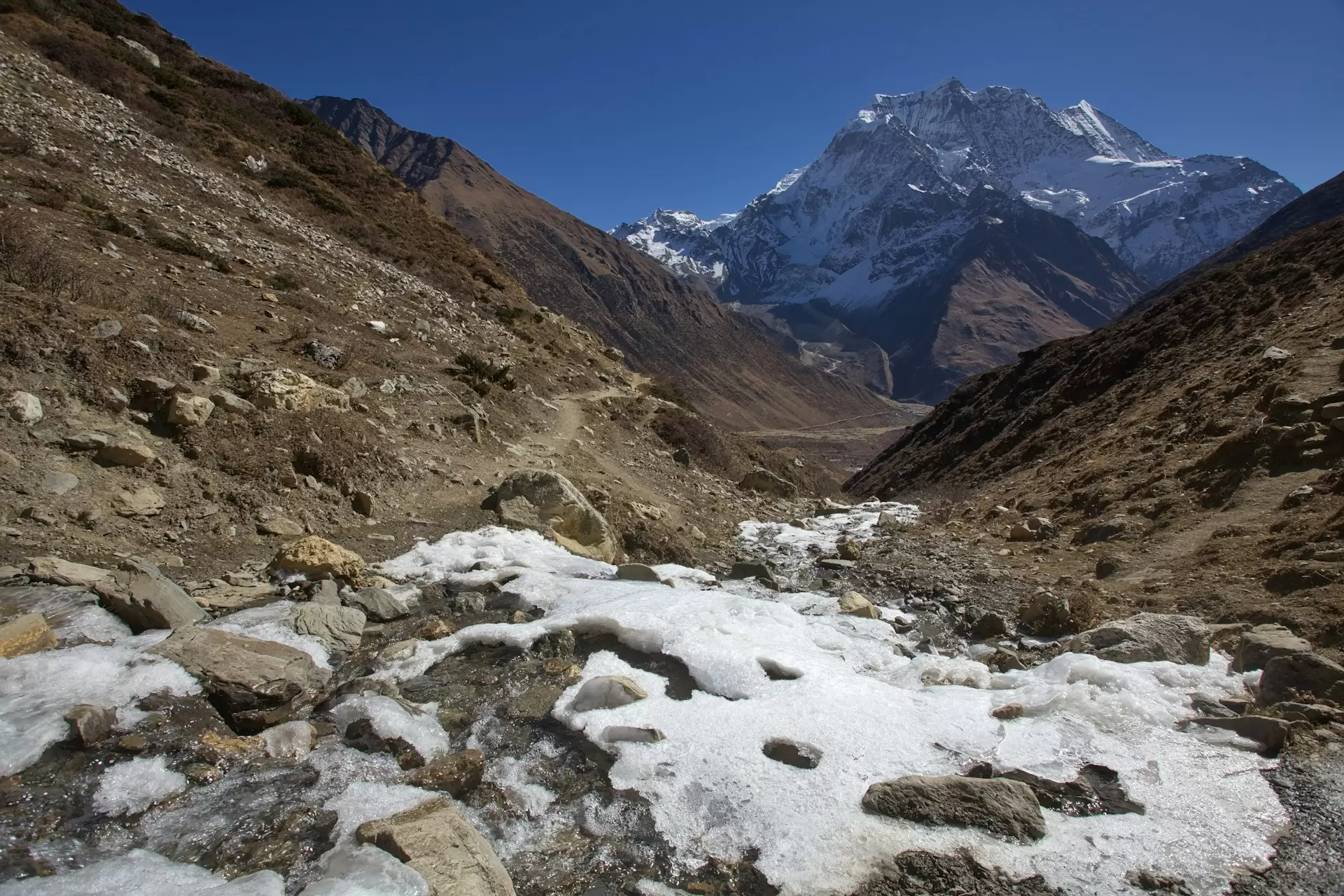
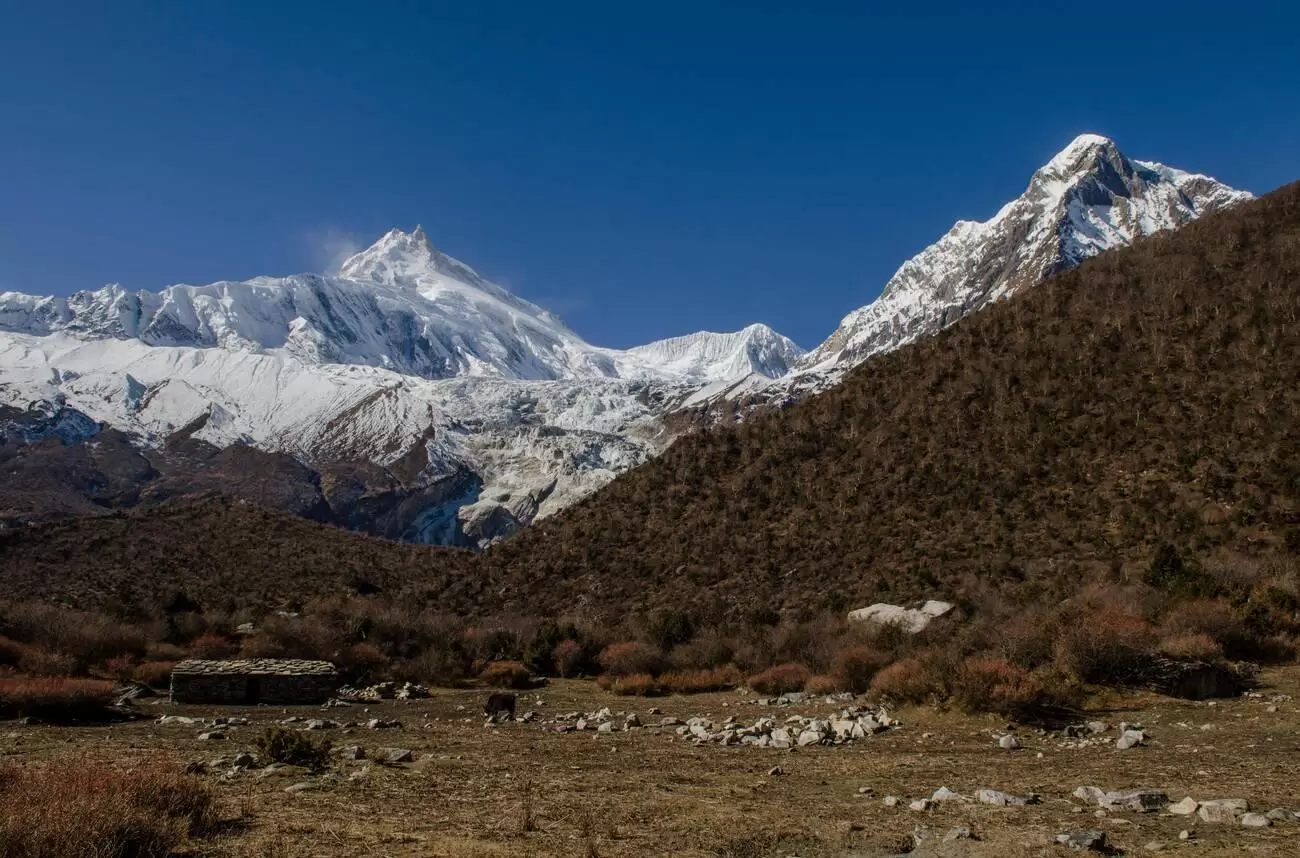
The Manaslu Circuit and Tsum Valley Trek is a stunning and remote trekking route that combines the classic Manaslu Circuit Trek with the lesser-explored Tsum Valley, a hidden gem in the Himalayas of Nepal. This trek offers trekkers the unique opportunity to explore the natural beauty and cultural richness of the Manaslu region while visiting the Tsum Valley, a sacred and secluded area that has retained its traditional Tibetan-influenced culture. The Manaslu Circuit takes you around Mount Manaslu (8,163 meters), the eighth-highest mountain in the world, while the Tsum Valley is known for its vibrant Buddhist monasteries, ancient villages, and panoramic views of the Manaslu, Ganesh Himal, and Sringi Himal ranges.
The trek typically lasts around 18 to 22 days, depending on the pace and itinerary, and includes days spent exploring the remote Tsum Valley, as well as crossing the high-altitude Larkya La Pass (5,160 meters). It’s an off-the-beaten-path adventure that blends high-altitude trekking with cultural immersion.
The Manaslu Circuit and Tsum Valley Trek is considered moderate to challenging due to its high-altitude sections, particularly the crossing of the Larkya La Pass. The trek involves several days of long hiking, steep ascents, and descents, as well as the risk of altitude sickness as you approach the high passes. The Tsum Valley, while more moderate in altitude, also requires trekking through rugged terrain, and the remote nature of the area can make the trek physically demanding.
The trek is suitable for trekkers with good physical fitness and some previous trekking experience, especially at high altitudes. Proper acclimatization is key to successfully completing the trek, and it is recommended to take slow, steady progress to minimize the risk of altitude sickness.
The best times to trek the Manaslu Circuit and Tsum Valley are during autumn (September to November) and spring (March to May). These seasons offer the most favorable weather conditions, with clear skies, moderate temperatures, and excellent visibility of the surrounding mountains.
Autumn: The months of September, October, and November offer clear skies and stable weather, making it the most popular time for trekking. The temperatures are cooler but manageable, and the views of Mount Manaslu and other peaks are spectacular.
Spring:The months of March, April, and May are also ideal, with moderate temperatures and the bonus of rhododendron blooms at lower altitudes. Spring is also less crowded than autumn, providing a more peaceful trekking experience.
Winter (December to February) brings cold temperatures, especially at higher altitudes, and snow can make the trail to Larkya La Pass more treacherous. Monsoon (June to August) brings heavy rain, increasing the risk of landslides and making trekking conditions difficult, so it’s generally not recommended.
The highest point of the Manaslu Circuit and Tsum Valley Trek is the Larkya La Pass, which stands at an elevation of 5,160 meters (16,929 feet). The pass offers spectacular panoramic views of some of the highest peaks in the region, including Mount Manaslu, Himalchuli, Ngadi Chuli, and Ganesh Himal. It is the most physically demanding section of the trek, requiring good fitness and proper acclimatization to avoid altitude sickness.
Yes, it is mandatory to have a licensed guide for the Manaslu Circuit and Tsum Valley Trek since these regions are restricted areas. A guide will help you navigate the trails, ensure safety, assist with cultural insights, and deal with logistics along the way. Additionally, porters are highly recommended, as they will carry your gear and help lighten your load, allowing you to focus on the trek itself.
While independent trekking is not permitted in these areas, trekking with a guide and porter also contributes to the local economy and provides employment to the people in these remote regions.
Accommodation on the Manaslu Circuit and Tsum Valley Trek mainly consists of teahouses (guesthouses), which provide basic facilities such as simple rooms with beds, blankets, and shared bathrooms. As the trek ascends into higher altitudes, the teahouses become more basic, with limited amenities.
In lower-altitude villages like Soti Khola, Jagat, and Bimtang, teahouses are relatively more comfortable, offering warm rooms and hot meals. At higher altitudes, the accommodations may be colder and more basic, especially in areas like Samagaon and Larkya Phedi. Meals are typically Nepali dishes such as dal bhat, momos, noodles, and rice-based meals, but menus may be limited at higher altitudes.
For the Manaslu Circuit and Tsum Valley Trek, you will need the following permits:
Manaslu Restricted Area Permit (RAP): This permit is mandatory for all trekkers in the Manaslu region and can only be obtained through a licensed trekking agency.
Annapurna Conservation Area Permit (ACAP):This permit is required once you enter the Annapurna Conservation Area at the end of the trek.
Trekkers' Information Management System (TIMS) Card: This is an official trekking registration card that helps track trekkers in the region for safety.
Your trekking agency will assist in acquiring all the necessary permits for your trek.
The Manaslu Circuit and Tsum Valley Trek is generally considered safe, but as with any high-altitude trek, there are inherent risks. Altitude sickness is a significant concern when trekking at elevations above 3,500 meters, so it is essential to acclimatize properly by taking rest days and trekking slowly to higher altitudes.
In addition, the remote nature of the trek means that medical facilities are sparse, so trekkers should be prepared with a good first-aid kit and necessary medications. Hiring a guide adds an additional layer of safety, as they are trained in emergency response and know the terrain well.