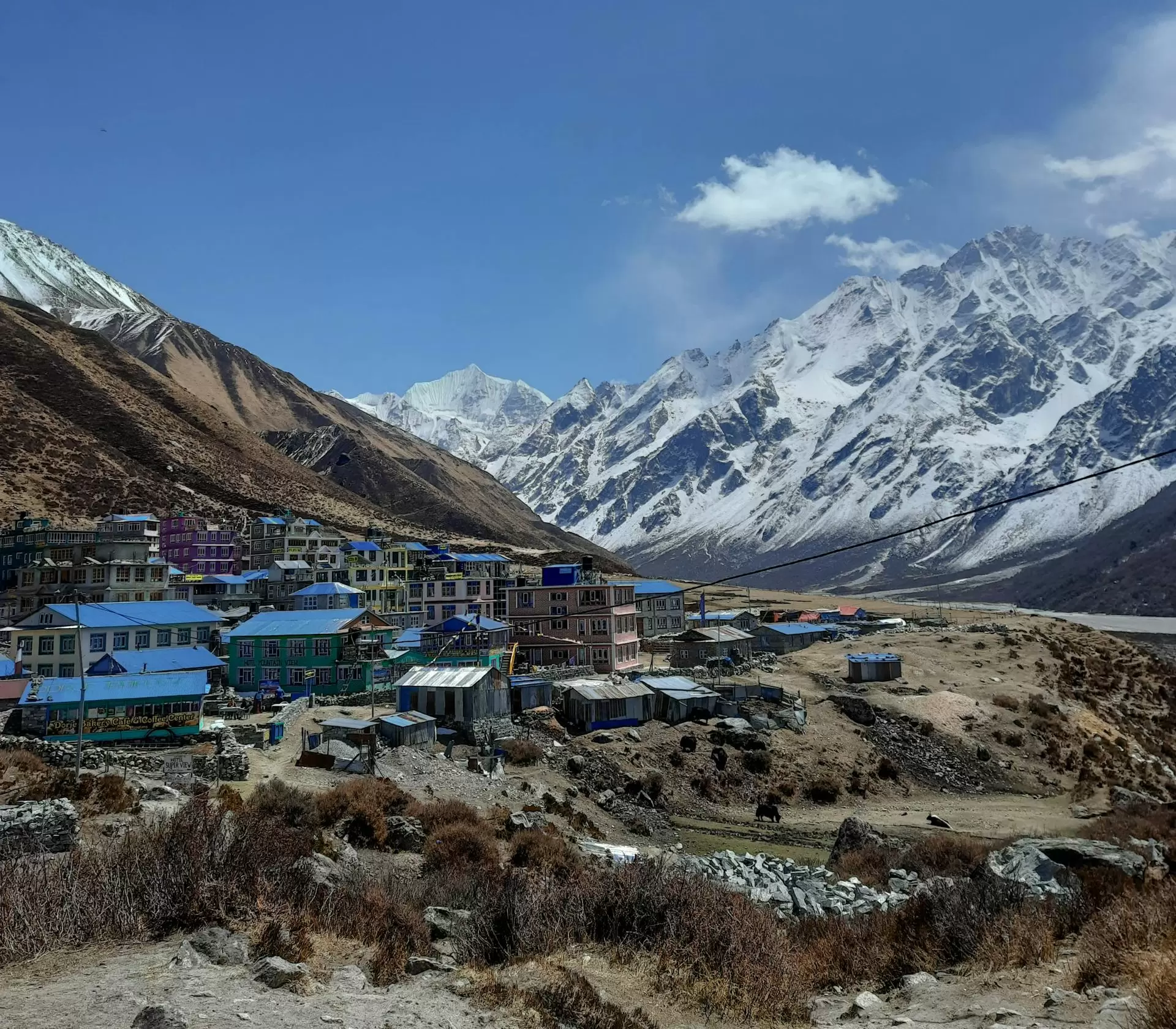
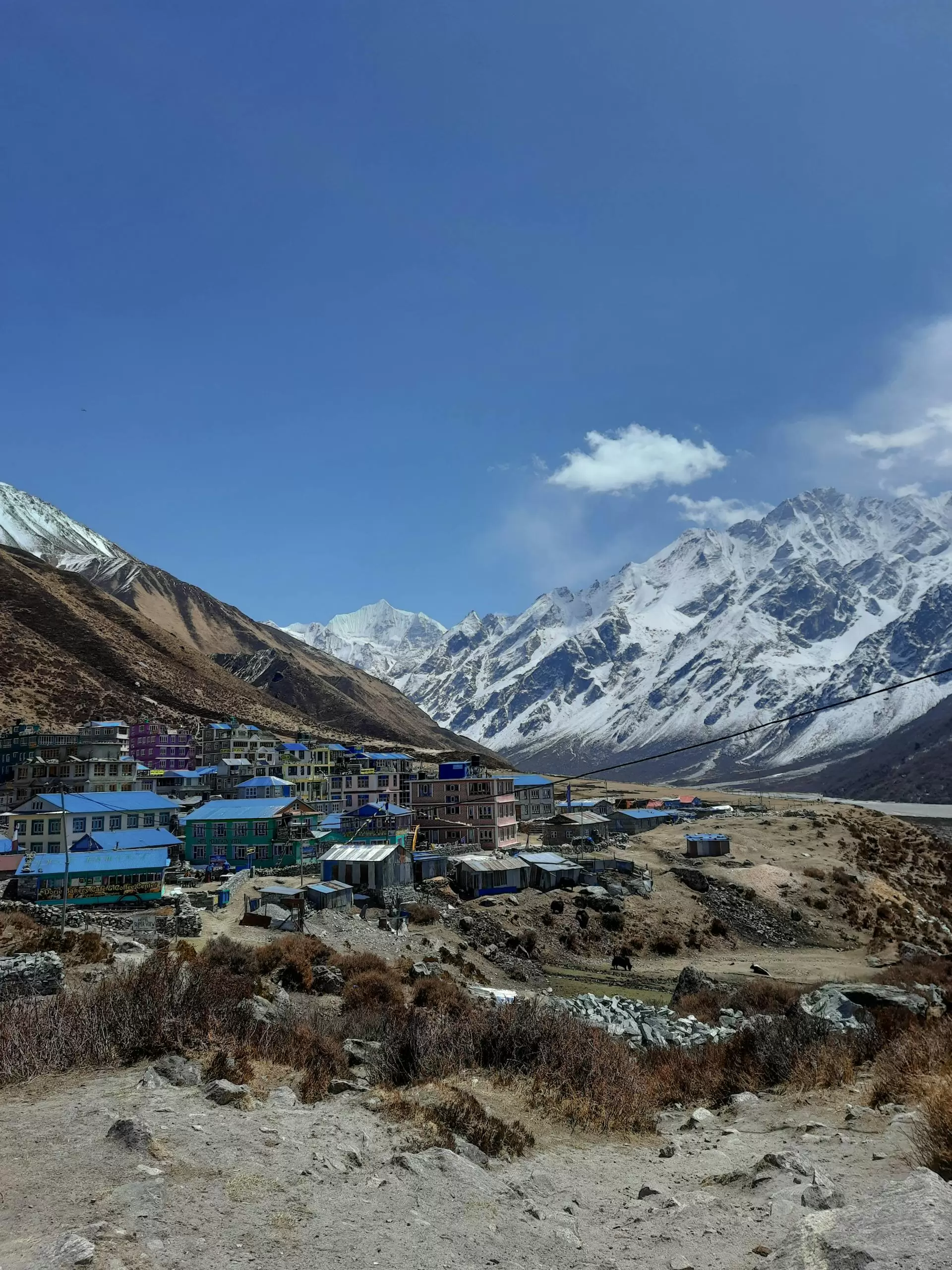
The Langtang Valley Trek is a captivating and relatively less crowded trekking route in the Langtang National Park, located just north of Kathmandu. Often referred to as the "Valley of Glaciers," the Langtang Valley is a stunning blend of natural beauty, cultural heritage, and wildlife, offering trekkers breathtaking views of snow-capped peaks, lush forests, alpine meadows, and vibrant Tamang villages. This trek is ideal for those who want to experience the beauty of the Himalayas without the overwhelming crowds of more popular trekking routes like Everest or Annapurna. The trek offers spectacular views of peaks such as Langtang Lirung (7,227 meters), Gangchenpo, Dorje Lakpa, and other snow-capped giants.
The Langtang Valley Trek typically begins from Syabrubesi, a picturesque village accessible by a 7-8 hour drive from Kathmandu. From there, you will ascend through lush forests of rhododendron, bamboo, and oak trees, passing charming Tamang and Sherpa villages such as Lama Hotel, Langtang Village, and Kyanjin Gompa. Along the way, trekkers can visit ancient Buddhist monasteries, interact with the warm-hearted locals, and witness unique mountain cultures. The trek reaches its highest point at Kyanjin Ri (4,773 meters) or Tsergo Ri (4,980 meters), both of which offer panoramic views of the surrounding peaks and glaciers. This trek typically takes 7-10 days to complete, making it a great option for those with limited time but wanting to experience the raw beauty of the Himalayas.
At Nepal Passion Treks and Expedition, we pride ourselves on offering a personalized and professional trekking experience. Our expert guides and support staff will ensure that your Langtang Valley Trek is both safe and enjoyable, providing insights into the region's culture, wildlife, and history, and supporting you at every step of the journey. Whether you are a first-time trekker or an experienced mountaineer, we guarantee that your trek will be unforgettable.
Best Season for Langtang Valley Trek
The best seasons to trek in the Langtang Valley are during autumn (September to November) and spring (March to May). These seasons offer the best trekking conditions, including clear skies, moderate temperatures, and stable weather. Autumn is considered the peak trekking season in Nepal, with ideal visibility of the surrounding mountain peaks and pleasant trekking conditions. Spring, on the other hand, brings blooming rhododendrons and vibrant wildflowers, which further enhance the beauty of the region, especially in the lower altitudes.
It is advisable to avoid the monsoon season (June to August) when the region experiences heavy rainfall, leading to muddy trails, landslides, and poor visibility. Winter (December to February) is another less favorable season due to the cold temperatures, especially at higher elevations, where snow and ice can make the trails slippery and challenging. However, if you are well-prepared for the cold and are experienced with winter trekking, it can still be a rewarding adventure. At Nepal Passion Treks and Expedition, we carefully plan your trek to coincide with the optimal seasons, ensuring the best weather and trekking conditions.
Langtang Valley Trek Difficulty
The Langtang Valley Trek is considered moderate in terms of difficulty, making it a suitable option for trekkers with a reasonable level of fitness and some trekking experience. The trek involves steady ascents and descents over varied terrain, including forested paths, rocky trails, and stone steps. The highest point of the trek is Kyanjin Ri (4,773 meters), which provides magnificent views of the Langtang range and glaciers. The altitude can cause some mild symptoms of altitude sickness, but the route is not as demanding as the high-altitude treks in the Everest or Annapurna regions, which makes it a more accessible trek for those without advanced mountaineering skills.
Most trekkers can expect to walk between 5 to 7 hours per day, with plenty of opportunities for rest and acclimatization. The trek’s steady pace, combined with gradual altitude gains, helps minimize the risk of altitude sickness. For those new to trekking, the trek is still achievable with proper preparation and training. At Nepal Passion Treks and Expedition, we design itineraries that allow for proper acclimatization and rest, ensuring a smooth and enjoyable experience. Our experienced guides will assist you throughout the trek, making sure that you are comfortable and safe at all times.
Food and Accommodation
During the Langtang Valley Trek, trekkers stay in simple teahouses or lodges along the route. The teahouses provide basic accommodation with shared rooms and bathrooms. While the rooms are simple, they are clean and comfortable, and trekkers can enjoy a warm meal after a long day of trekking. As the trek ascends to higher altitudes, the accommodation becomes more basic, but the welcoming hospitality of the local Tamang and Sherpa people ensures that your stay is enjoyable.
The food on the Langtang Valley Trek is a mix of Nepali, Tibetan, and international cuisine. The most common meals include dal bhat (lentil soup with rice), momos (dumplings), noodles, fried rice, and pasta. At higher altitudes, the food variety may become more limited, but the meals are designed to be nutritious and energizing to help you power through your trek. Tea and coffee are readily available, and ginger tea is a popular choice for helping with the cold and altitude. At Nepal Passion Treks and Expedition, we make sure to choose teahouses that are well-maintained and offer good food and accommodation options for your comfort.
Communication and Networking
Mobile network coverage is available in most of the villages along the Langtang Valley Trek, including Syabrubesi, Lama Hotel, Langtang Village, and Kyanjin Gompa. The network coverage is provided by Nepal Telecom and NCell, but it may be limited in more remote areas, especially at higher altitudes. Wi-Fi is also available in some of the teahouses, but the connection may be slow due to the region's remote location and limited infrastructure.
For trekkers who need reliable communication during the trek, Nepal Passion Treks and Expedition provides satellite phones for emergency use. This ensures that you are always in contact with our team in case of any unforeseen circumstances. Our experienced guides also carry communication devices to stay connected with the outside world in case of emergencies, ensuring your safety throughout the trek.
Why Choose Us (Nepal Passion Treks and Expedition)
At Nepal Passion Treks and Expedition, we offer a highly personalized trekking experience in the Langtang Valley. We are committed to ensuring that your trek is safe, enjoyable, and memorable. Our team consists of experienced guides, porters, and support staff who are knowledgeable about the region and passionate about sharing the beauty of the Langtang Valley with you. Whether you are an experienced trekker or a beginner, we work with you to create an itinerary that suits your preferences, pace, and level of experience.
We are also dedicated to responsible tourism, and we support local communities by working with local guides, porters, and teahouse owners. Our trekking routes are designed to minimize our environmental impact while promoting sustainable travel practices. At Nepal Passion Treks and Expedition, we prioritize your safety, comfort, and enjoyment, ensuring that every aspect of your trek is handled professionally and with care. With our expert guides, comprehensive services, and a commitment to responsible tourism, your Langtang Valley Trek will be an unforgettable adventure in one of Nepal’s most scenic and culturally rich regions.
The Langtang Valley Trek is a beautiful and relatively accessible way to experience the Himalayas. With its combination of natural beauty, cultural exploration, and lower altitude, it provides a fantastic trekking experience for both novice and experienced trekkers alike.
Welcome to Nepal! Upon arrival at Tribhuvan International Airport in Kathmandu, you’ll be greeted by a representative from Nepal Passion Treks and Expedition, who will transfer you to your hotel. After checking in and freshening up, you will have some free time to relax or explore the vibrant Thamel area, known for its cafes, shops, and cultural atmosphere. In the evening, you'll meet your guide for a trek briefing where your itinerary will be discussed, and any last-minute questions can be addressed. Overnight in Kathmandu.
After breakfast, we will begin our journey with a scenic 7-8 hour drive to Syabrubesi, the starting point of our trek. The drive takes you along the scenic Prithvi Highway, following the Trishuli River and passing through lush forests, terraced fields, and charming villages. The landscape becomes more rugged as we approach the Langtang region. Upon arrival in Syabrubesi, a small village that serves as the gateway to Langtang, you will settle into your lodge for the night. Enjoy the tranquility of the surrounding hills as you prepare for your trek the following day. Overnight in Syabrubesi.
After breakfast, we will begin our trek, following the Langtang Khola (river) through dense forests of rhododendron, oak, and bamboo. The trail is gradually uphill, with several small ascents and descents, passing through the village of Bamboo and other small settlements. Along the way, you'll have glimpses of snow-capped peaks in the distance. After about 6 hours of trekking, we will reach Lama Hotel, a small settlement located at 2,380 meters. Here, you can rest and enjoy the peaceful mountain surroundings. Overnight in Lama Hotel.
Today’s trek takes us further into the heart of Langtang Valley. We continue our ascent through lush forests and pass by waterfalls, crossing several suspension bridges. As we gain altitude, the scenery becomes even more breathtaking, with spectacular views of Langtang Lirung (7,227m), the highest peak in the region. After about 7 hours of trekking, we arrive at Langtang Village, once a traditional Tamang settlement, which was heavily affected by the 2015 earthquake but has since been rebuilt. The village offers stunning views of the surrounding peaks and glaciers. Overnight in Langtang Village.
After a good night’s rest in Langtang Village, we will continue our journey to Kyanjin Gompa, which is just a 3-hour trek. The trail gradually ascends, passing yak pastures, small huts, and meadows. As we reach higher altitudes, the vegetation begins to thin, and we are treated to views of the snow-capped peaks and glaciers that dominate the region. Kyanjin Gompa is a beautiful, traditional Tibetan Buddhist monastery located at 3,870 meters, and it serves as the trekking hub for the Langtang Valley. The area is surrounded by glaciers and snow-capped peaks, providing a truly awe-inspiring setting. Overnight in Kyanjin Gompa.
Today is an exciting day for those seeking adventure and panoramic views. After an early breakfast, we will trek to Tserko Ri, a popular viewpoint that offers some of the best views in Langtang Valley. The hike takes around 3-4 hours, with a steady ascent through rocky terrain. From the top of Tserko Ri (5,000m), you will be rewarded with stunning 360-degree views of the Langtang Range, including Langtang Lirung, Yala Peak, and Ganesh Himal, as well as the vast Langtang Glacier. After soaking in the spectacular views, we will return to Kyanjin Gompa, where you can rest and relax. The total trek today will take about 8-9 hours. Overnight in Kyanjin Gompa.
After a memorable time in Kyanjin Gompa, we will retrace our steps back down the valley. The descent is easier and faster compared to the ascent, but it still offers stunning views of the Langtang Valley. As we descend through the forests and past villages, we can enjoy the peaceful surroundings and watch local villagers going about their daily routines. After 6-7 hours of trekking, we will arrive back in Lama Hotel, where you can relax after a full day of trekking. Overnight in Lama Hotel.
On the final day of our trek, we will make the descent from Lama Hotel back to Syabrubesi. The trail continues through the lush forests and small settlements along the Langtang River, passing by the village of Bamboo. The trek will take around 6-7 hours, and you will have a final opportunity to appreciate the scenic beauty of the Langtang region. Upon reaching Syabrubesi, you can rest and reflect on your journey, knowing that you’ve trekked through one of Nepal's most beautiful and culturally rich valleys. Overnight in Syabrubesi.
After breakfast, we will drive back to Kathmandu, retracing our scenic route through the foothills of the Himalayas. The drive will take around 8-9 hours, and you will have a chance to relax and enjoy the last glimpses of the stunning mountain scenery. Upon arrival in Kathmandu, you’ll be transferred to your hotel. In the evening, Nepal Passion Treks and Expedition will host a farewell dinner to celebrate the successful completion of your Langtang Valley Trek. This is a great opportunity to share stories with fellow trekkers and guides. Overnight in Kathmandu.
Your unforgettable Langtang Valley Trek comes to an end today. After breakfast, you’ll be transferred to Tribhuvan International Airport for your departure flight. Whether you’re continuing your journey to another destination or flying home, you’ll leave Nepal with memories of incredible landscapes, cultural experiences, and the joy of trekking through one of the most beautiful regions in the Himalayas. Safe travels, and we hope to welcome you back on another trek with Nepal Passion Treks and Expedition in the future.
5泊6日の日程でランタン渓谷トレッキングに行ってきました。現地カトマンズでツアー会社をいくつか回りましたが、親切に対応してくれ、値段もそれほど高くなかったのでこの会社に決めました。 ガイドのSamrat Adhikariもタイトな日程にも関わらず親身に旅程を組んでくれました。Samratはガイド経験が17年もあるベテランでとても信頼できる人でした。ネパールの山々や文化なども丁寧に説明してくれ、私自身とてもネパールが好きになりました。またネパールに来る機会があればSamratにガイドをお願いしたいです。 Nepal passion treks&expedition のスタッフの方、Samrat Adhikariさんありがとうございました! I went to Langtang Valley trekking for 5 nights and 6 days. I visited several tour companies in Kathmandu, but I chose this company because they were kind and the prices weren't too expensive. Our guide, Samrat Adhikari, kindly planned the itinerary despite the tight schedule. Samrat is a veteran guide with 17 years of experience and was very trustworthy. He explained the mountains and culture of Nepal in detail, and I started to really like Nepal. If I have a chance to come to Nepal again, I would like to ask Samrat to be my guide. Thank you very much Nepal passion treks&expedition and as Samrat Adhikari!
The Langtang Valley Trek is one of the most beautiful and accessible trekking routes in Nepal, located just north of Kathmandu, near the Tibetan border. This trek offers an incredible opportunity to explore the stunning Langtang Valley, a hidden gem that boasts dramatic mountain views, lush forests, and charming Tibetan-influenced villages. The valley is surrounded by towering peaks, such as Langtang Lirung (7,227 meters), and is known for its rich cultural heritage, including Buddhist monasteries and traditional Tibetan-style villages. The trek generally takes about 7 to 10 days and offers a perfect balance of natural beauty and cultural immersion.
The Langtang Valley Trek is considered moderate in terms of difficulty. It is suitable for trekkers with a basic level of fitness, as it does not require technical climbing skills, but it does involve some steep ascents and descents, especially as you get higher into the valley. The trek reaches a maximum altitude of about 4,380 meters (14,370 feet) at Kyanjin Ri or Tsergo Ri, so there is a risk of altitude sickness, particularly if you ascend too quickly. However, the route is less strenuous than other high-altitude treks like the Everest Base Camp or Annapurna Circuit treks, making it a great choice for trekkers who want a challenge without extreme altitudes.
The best time to trek in Langtang Valley is during the spring (March to May) and autumn (September to November) seasons. These months offer clear skies, pleasant temperatures, and excellent visibility of the mountains. Spring is also a great time to see the wildflowers in bloom, while autumn brings crisp air and the peak trekking season in Nepal. Winter (December to February) can be very cold, with heavy snowfalls at higher elevations, making the trail potentially hazardous. Summer (June to August) is the monsoon season, and trekking during this time is not recommended due to the risk of landslides and muddy trails.
The highest point of the Langtang Valley Trek is either Kyanjin Ri (4,380 meters / 14,370 feet) or Tsergo Ri (4,980 meters / 16,338 feet). Both of these viewpoints offer spectacular panoramic views of the Langtang range, including Langtang Lirung, Ganesh Himal, and Dorje Lakpa. Trekking to these summits is optional, but highly recommended for those who want to experience the full grandeur of the region.
While the Langtang Valley Trek can be completed independently, it is highly recommended to hire a guide and/or porter, especially if you are unfamiliar with trekking in Nepal. A guide can assist with navigation, share knowledge about local culture, help with communication in remote areas, and ensure your safety at higher altitudes. A porter can carry your heavy gear, allowing you to focus on the trek itself. Although the Langtang route is relatively straightforward, having a guide enhances your experience and adds an extra layer of security.
Accommodation along the Langtang Valley Trek primarily consists of teahouses (guesthouses) that offer basic facilities. These teahouses provide rooms with a bed and blankets, though higher-altitude accommodations can be more basic. Most teahouses also serve food, including traditional Nepali meals like dal bhat (lentil soup with rice), momos (dumplings), and other trekking-friendly meals like soup, noodles, and pasta. While teahouses become simpler as you go higher in the valley, they provide a comfortable place to rest and enjoy hot meals after a day of trekking.
Yes, two permits are required for the Langtang Valley Trek:
Langtang National Park Permit: This is required to enter Langtang National Park, where the trek is located. The permit can be obtained at the National Park office in Kathmandu or Syabrubesi.
Trekkers’ Information Management System (TIMS) Card:This is a general trekking permit that helps track trekkers and enhances safety. It can be obtained in Kathmandu.
These permits are not expensive, but you will need to carry them throughout the trek as they will be checked at various points along the trail.
The Langtang Valley Trek is generally safe, but as with any trek in Nepal, it’s important to be prepared and follow basic safety measures. The trail is well-established, and the route is often trekked by other travelers, so help is readily available if needed. However, altitude sickness is a concern at higher elevations, so trekkers should take it slow, stay hydrated, and allow for proper acclimatization. Landslides and avalanches can occasionally occur, particularly during the monsoon season (June to August), so be cautious about when you trek. Hiring a guide is a good way to enhance safety, especially if you’re trekking in a remote area or if you have limited experience.
ATMs are available in Kathmandu and Syabrubesi (the starting point of the trek), but they are not available along the trekking route. You’ll need to carry enough cash for your entire trek, including expenses for accommodation, food, and any other costs. It’s best to withdraw money before you leave Kathmandu to avoid any issues during the trek.
Packing for the Langtang Valley Trek requires careful consideration of the weather conditions and the altitude. Essential items include:
Trekking boots:Well-broken-in, durable boots for uneven terrain.
Clothing: Layered clothing to handle temperature fluctuations, with a warm jacket for the cold mornings and evenings.
Sleeping bag: A sleeping bag rated for cold temperatures, especially for higher altitudes.
Water purification: Water purification tablets or a filtration system to ensure access to clean drinking water.
Sunscreen, hat, and sunglasses: Protect yourself from the sun, particularly at higher altitudes.
First-aid kit: Include basic medications for common trekking ailments like headaches, stomach issues, and injuries.
Trekking poles:Useful for balance, particularly during steep ascents or descents.
Physical preparation for the Langtang Valley Trek involves building cardiovascular endurance and leg strength. Hiking, running, or cycling can help you improve stamina. If possible, train on uneven terrain or at higher altitudes to simulate the conditions of the trek. Focus on building your ability to carry a backpack, as you’ll be trekking with gear over several days. Acclimatization is important, so if you're new to trekking at high altitudes, make sure you take it slow and rest frequently. Also, familiarize yourself with the route and altitude profile to understand the challenges you’ll face on the trek.
The main risks on the Langtang Valley Trek include:
Altitude sickness: Symptoms can occur at altitudes above 3,000 meters, so acclimatization is essential.
Weather: Mountain weather can be unpredictable, especially in winter and monsoon, which can lead to dangerous conditions like snowstorms or landslides.
Injury:As with any trek, there’s the risk of slips, falls, and minor injuries. Trekking poles can help mitigate these risks.
Overall, the Langtang Valley Trek is a relatively safe and rewarding trek for those who are well-prepared, and the stunning views, rich culture, and peaceful atmosphere make it one of the most unforgettable trekking experiences in Nepal.