| No of people | Price per person |
|---|---|
| 1 - 1 | $1,295 |
| 2 - 4 | $1,175 |
| 5 - 9 | $1,155 |
| 10 - 15 | $1,135 |
| 16 - 20 | $1,115 |
Welcome to Nepal! Upon your arrival at Tribhuvan International Airport in Kathmandu, you will be greeted by a representative from Nepal Passion Treks and Expedition, who will transfer you to your hotel in the vibrant Thamel district. After check-in and a brief rest, you'll have the remainder of the day to relax or explore the area at your leisure. You may want to visit some of Kathmandu’s UNESCO World Heritage Sites like Durbar Square or Pashupatinath if you arrive early. In the evening, you will meet your guide, who will brief you on the trek ahead, giving you an opportunity to ask any last-minute questions. Overnight in Kathmandu.
Today, you will enjoy a full day of sightseeing in Kathmandu. Your guide will take you to some of the most famous historical and cultural landmarks in the city. You will visit Swayambhunath Stupa (Monkey Temple) for panoramic views of the Kathmandu Valley, and then head to Boudhanath Stupa, one of the largest Buddhist stupas in Nepal. You’ll also visit Pashupatinath Temple, a revered Hindu pilgrimage site located on the banks of the Bagmati River. After an exciting day of sightseeing, you will return to your hotel for an overnight stay. This is a great chance to absorb the vibrant culture and prepare for the trekking adventure ahead. Overnight in Kathmandu.
After breakfast, we will leave Kathmandu and drive towards Syabrubesi, the starting point of the trek. The drive takes about 7-8 hours along the scenic Prithvi Highway, passing through picturesque villages, terraced fields, and lush forests. As we get closer to the Langtang region, the landscape becomes more dramatic, with glimpses of snow-capped peaks. Syabrubesi, located at 1,550 meters, is a small village situated on the banks of the Langtang River. After arriving in Syabrubesi, we’ll check into our lodge, rest, and prepare for the trek the following day. Overnight in Syabrubesi.
Today, we begin our trek into the Langtang Valley. The trail ascends through dense forests of bamboo, oak, and rhododendron, following the Langtang River. You may spot various species of birds and possibly even a red panda or langur monkey in the trees. After a steady 6-hour ascent, we will arrive at Lama Hotel (2,380m), a small settlement where trekkers often stop for the night. The area is surrounded by thick forests, and you can enjoy the peaceful ambiance as you relax. Overnight in Lama Hotel.
Today, we continue our trek up the Langtang Valley. The trail passes through lush forests and small settlements, gradually opening up to more expansive views of the valley. We will cross several suspension bridges, and as we climb higher, the forest thins and we get our first views of the majestic Langtang Lirung (7,227m). After about 7 hours of trekking, we will reach Langtang Village, a traditional Tamang settlement that was affected by the 2015 earthquake but has been slowly rebuilding. The village offers stunning views of the surrounding peaks. Overnight in Langtang Village.
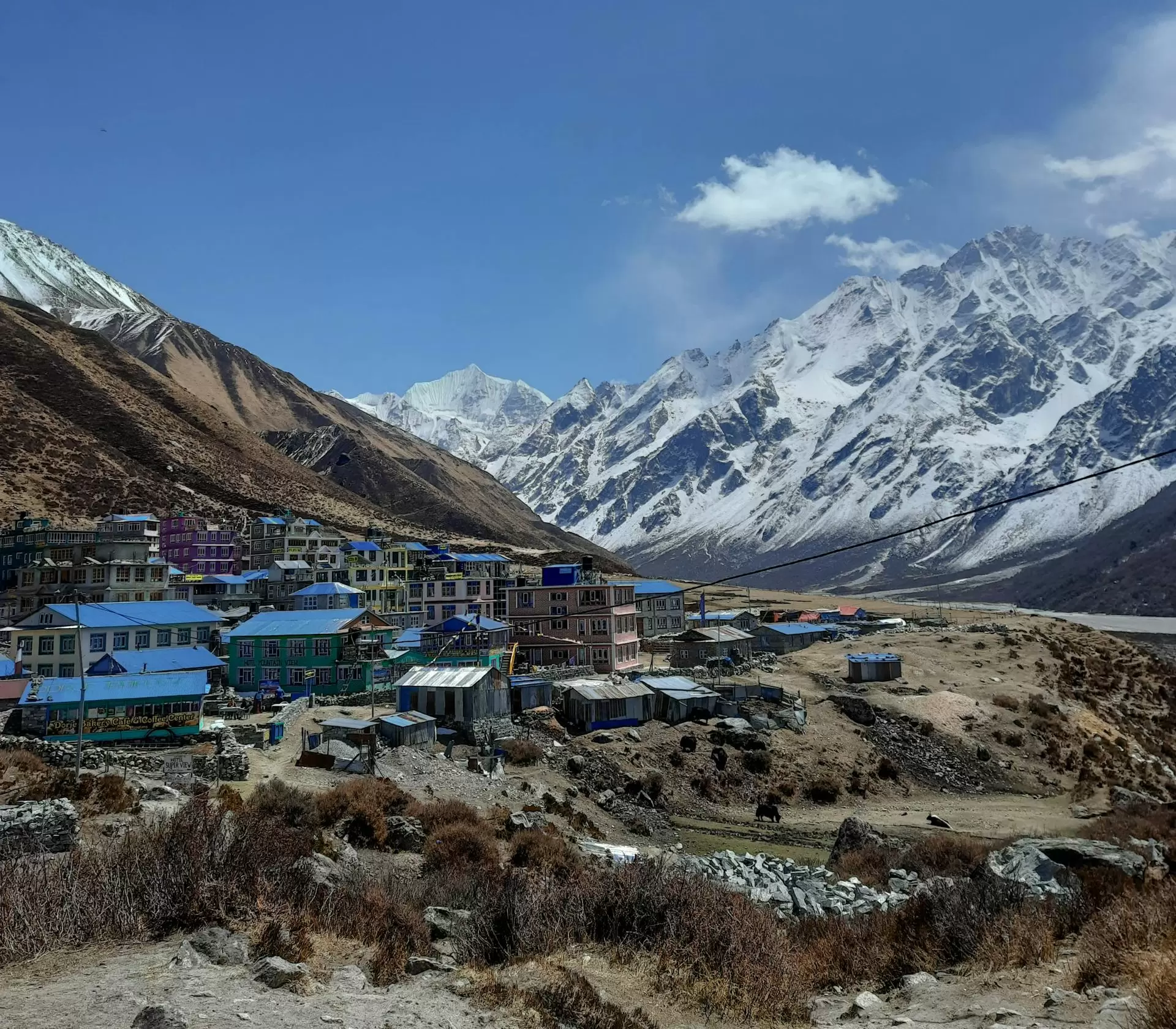
This morning, we will head towards Kyanjin Gompa, a Tibetan Buddhist monastery located at 3,870 meters. The trek is a gentle ascent through yak pastures, with spectacular views of the snow-capped peaks surrounding the valley. After approximately 3 hours of trekking, we will arrive at Kyanjin Gompa, a small monastery situated in a breathtaking setting surrounded by towering peaks. The area is peaceful, and the views of Langtang Lirung, Yala Peak, and the glaciers are spectacular. Overnight in Kyanjin Gompa.
Today is a well-deserved rest day in Kyanjin Gompa to acclimatize to the altitude. You have the option to explore the area, visit the Kyanjin Monastery, or take a short hike to Tserko Ri, a viewpoint that offers panoramic views of the Langtang Range, including Langtang Lirung, Yala Peak, and other surrounding peaks. The hike to Tserko Ri takes about 3-4 hours, and from the top, you will enjoy some of the best views in the Langtang Valley. Afterward, you can relax and explore the surroundings, soaking in the serenity of the region. Overnight in Kyanjin Gompa.
After spending a day at Kyanjin Gompa, we will retrace our steps down the valley. The descent is easier than the ascent, and we will enjoy the scenic views of the Langtang Valley once again. The trail leads us through the villages of Langtang and Ghora Tabela, and after approximately 6-7 hours of trekking, we will return to Lama Hotel. This is a perfect opportunity to rest your legs after several days of trekking at higher altitudes. Overnight in Lama Hotel.
Today, we continue our descent as we head towards Thulo Syabru, a picturesque village known for its terraced fields and spectacular views of the surrounding mountains. The trek will take about 6 hours and passes through dense forests and small villages. Thulo Syabru offers a serene environment, and you can take a walk around the village to observe the daily life of the Tamang people. Enjoy the views of the Langtang and Ganesh Himal ranges. Overnight in Thulo Syabru.
Today’s trek takes us higher into the mountains as we make our way towards Cholang Pati. The trail offers stunning views of the Langtang Himal and the surrounding peaks, including Ganesh Himal. As we ascend, the environment becomes more alpine, with fewer trees and more open meadows. After about 6 hours of trekking, we will reach Cholang Pati, a peaceful spot where we can enjoy the tranquility of the mountains. Overnight in Cholang Pati.
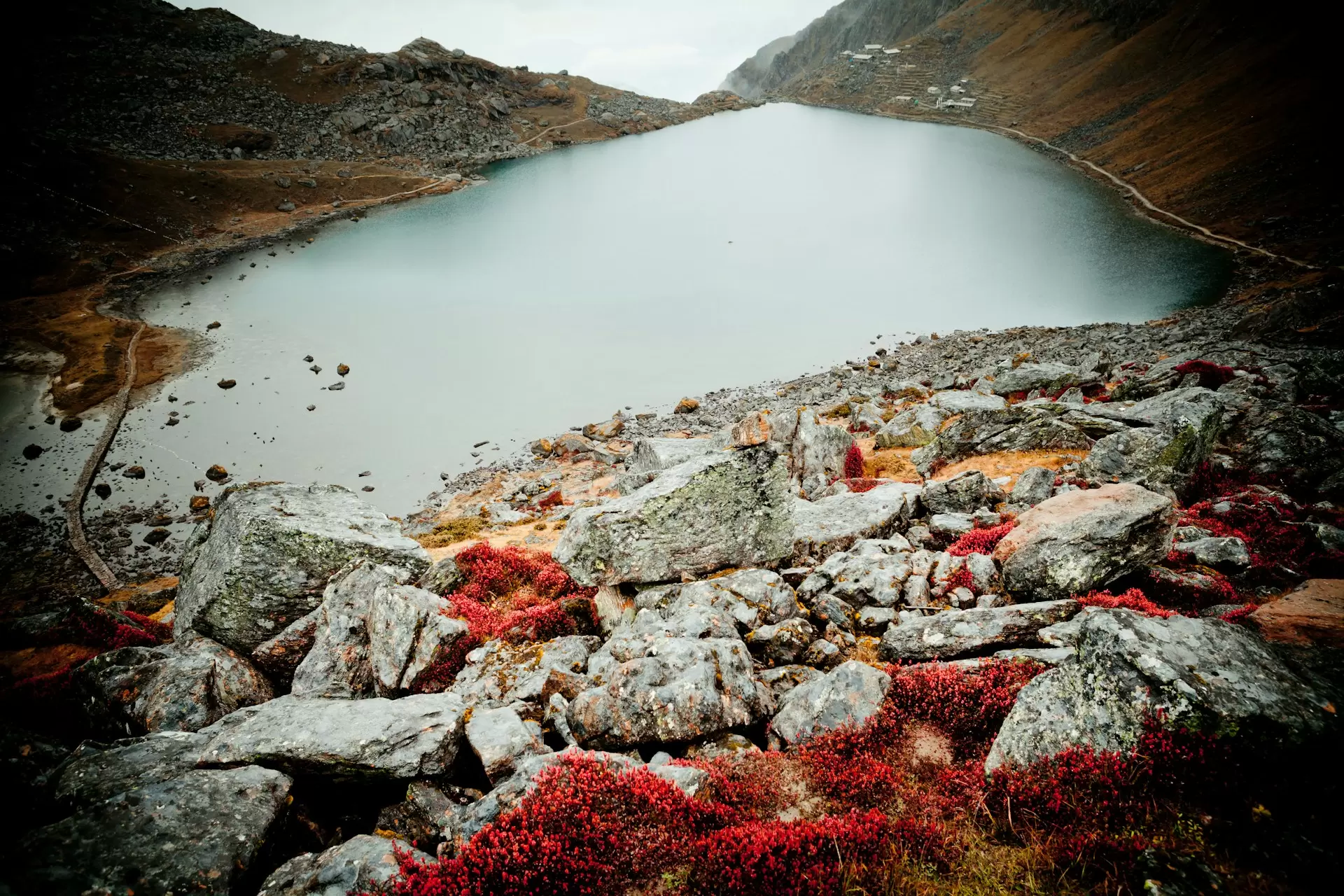
Today, we trek to Gosainkunda, one of the most sacred lakes in Nepal and a popular pilgrimage site for Hindus. The trail offers incredible views of the Langtang and Ganesh Himal ranges. Upon reaching Gosainkunda, you will be able to enjoy the beauty of the lake, surrounded by towering peaks. The area is spiritually significant, and many trekkers and pilgrims visit to bathe in the holy waters of the lake. Overnight at Gosainkunda.
After spending time at the sacred Gosainkunda Lake, we begin our descent towards Dhunche. The trail is mostly downhill, passing through forests and small villages. After about 6-7 hours, we will arrive in Dhunche, a small town that serves as a gateway to the Langtang region. Dhunche is known for its beautiful surroundings and views of the mountains. It is also the main administrative center of the Langtang region. Overnight in Dhunche.
After breakfast, we will drive back to Kathmandu, retracing the scenic route we took at the beginning of the trek. The 8-9 hour drive offers beautiful views of the mountains, rivers, and villages as we descend into the Kathmandu Valley. Upon arrival in Kathmandu, you will be transferred to your hotel. In the evening, Nepal Passion Treks and Expedition will host a farewell dinner to celebrate your successful trek. Overnight in Kathmandu.
Your unforgettable Langtang Gosaikunda Trek concludes today. After breakfast, you will be transferred to Tribhuvan International Airport for your onward flight. Whether you are returning home or continuing your travels, you will leave Nepal with cherished memories of stunning landscapes, rich culture, and the joy of completing a remarkable trekking adventure. Safe travels, and we look forward to welcoming you again for another trek with Nepal Passion Treks and Expedition.
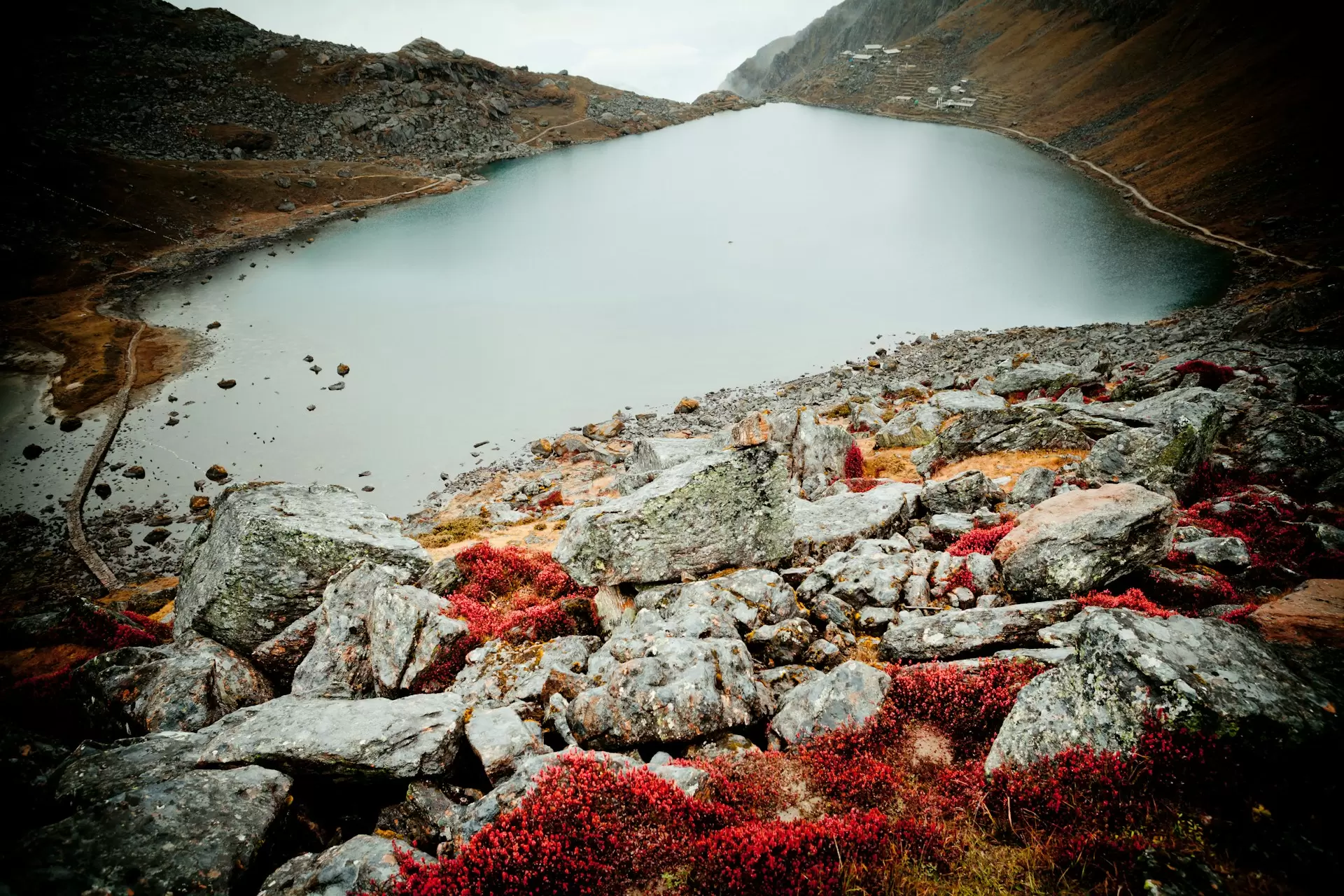
The Langtang Gosaikunda Trek is a stunning trekking route in the Langtang region of Nepal that combines the natural beauty of the Langtang Valley with the spiritual significance of Gosaikunda Lake. Gosaikunda, a high-altitude alpine lake situated at 4,380 meters (14,370 feet), is a sacred site for Hindus and Buddhists, particularly during the festival of Janai Purnima. The trek offers a blend of breathtaking mountain views, traditional Tamang and Sherpa culture, and a challenging but rewarding ascent to the holy lake. It typically takes around 11 to 15 days to complete and takes trekkers through rhododendron forests, past towering peaks like Langtang Lirung (7,227 meters), and through alpine meadows to the sacred lake.
The Langtang Gosaikunda Trek is considered moderate to challenging due to its higher altitude and the steep sections of the trail, particularly when ascending toward Gosaikunda Lake. The trek involves some long, strenuous days of hiking, especially if you choose to extend the trek by exploring viewpoints or additional areas. The maximum elevation reached is 4,380 meters at Gosaikunda, which increases the risk of altitude sickness, so proper acclimatization is essential. While it’s accessible to trekkers with good physical fitness, it is recommended for those who have some experience with trekking or hiking at moderate altitudes.
The best times to trek to Gosaikunda are during autumn (September to November) and spring (March to May). These seasons offer stable weather, clear skies, and moderate temperatures, which provide excellent trekking conditions. During autumn, the landscape is vibrant, and the skies are clear, making it perfect for mountain views. In spring, the rhododendron forests are in full bloom, adding a spectacular touch to the scenery. Winter (December to February) brings cold temperatures, with heavy snow at higher altitudes, which can make the trek more difficult and less safe. Monsoon season (June to August) brings heavy rains and the possibility of landslides, so it is not recommended.
The highest point of the Langtang Gosaikunda Trek is Gosaikunda Lake, which sits at an altitude of 4,380 meters (14,370 feet). It is a revered sacred site for Hindus, who believe the lake was created by the god Shiva. The trek also includes several viewpoints like Kyanjin Ri (4,773 meters) and Tsergo Ri (4,980 meters), which offer incredible views of peaks such as Langtang Lirung, Ganesh Himal, and Manaslu.
While it is possible to trek the Langtang Gosaikunda route independently, it is highly recommended to hire a guide and/or porter, especially if you are unfamiliar with trekking in Nepal or high-altitude trekking. A guide can help with navigation, explain local customs, and ensure safety, while a porter will carry your heavier gear, making your trek more comfortable. The trail can be remote, and a guide can be particularly helpful if you encounter unforeseen challenges, such as bad weather or altitude sickness. Hiring a porter also supports the local economy.
Accommodation on the Langtang Gosaikunda Trek primarily consists of teahouses (guesthouses), which provide basic but comfortable facilities. These teahouses offer rooms with beds and blankets, though the higher you go, the more basic the accommodation becomes. You can expect shared bathrooms and limited amenities, but you will have a warm, safe place to sleep. Most teahouses also serve traditional Nepali meals like dal bhat (lentil soup with rice), momos (dumplings), and a range of other dishes like noodles, soup, and fried rice. At the higher altitudes, like near Gosaikunda, teahouses may have limited menus due to logistical challenges.
Yes, you will need two permits to trek in the Langtang region:
Langtang National Park Permit:This is required to enter the Langtang National Park, where the trek is located. It can be obtained at the National Park office in Kathmandu or Syabrubesi.
Trekkers' Information Management System (TIMS) Card:This card helps ensure the safety of trekkers and assists in case of emergencies. You can obtain a TIMS card in Kathmandu.
Both permits are relatively inexpensive and are checked at various points along the trail.
The Langtang Gosaikunda Trek is generally safe, but as with any high-altitude trek, it’s important to follow standard safety precautions. Altitude sickness is a potential risk, especially as you reach elevations above 3,500 meters, so gradual acclimatization is key. Most of the trail is well-marked and frequently trekked by others, so you’re unlikely to get lost. However, hiring a guide can help ensure safety, especially in remote or unfamiliar sections of the trek. The weather can change quickly in the mountains, so it’s important to be prepared for rain or snow, especially at higher altitudes. Trekking with a guide also provides a layer of security in case of emergencies.
ATMs are available in Kathmandu and Syabrubesi, but there are no ATMs along the trekking route, so it’s important to withdraw enough cash in Kathmandu before starting the trek. You’ll need cash for paying for accommodation, food, and any other expenses along the way. Many teahouses accept payments in cash, and some may also accept payments in Nepali Rupees or US Dollars.
Packing for the Langtang Gosaikunda Trek requires consideration of the weather and altitude. Some essential items include:
Trekking boots: Comfortable, durable boots for walking on uneven trails.
Clothing:Layered clothing, including a good down jacket, a rain jacket, warm hats, gloves, and thermal layers for higher altitudes.
Sleeping bag:A sleeping bag rated for colder temperatures (for higher-altitude teahouses).
Water bottle & purification system:Carry a refillable bottle and purification tablets or a filter.
Sunscreen and sunglasses:To protect against the strong sun, especially at higher altitudes.
First-aid kit: Include essential medications, plasters, pain relievers, and anything you might need for minor injuries.
Camera and power bank: To capture the incredible views and to ensure your devices stay charged.
Preparation for the Langtang Gosaikunda Trek includes physical conditioning and mental readiness for trekking at higher altitudes. Focus on improving cardiovascular fitness through activities like hiking, running, cycling, or swimming. If possible, try trekking on uneven terrain to simulate the conditions of the trek. Practice carrying a backpack to get used to the weight. When it comes to acclimatization, it's important to avoid ascending too quickly. Plan for slow and steady progress, and consider adding extra rest days to adjust to the altitude.