| No of people | Price per person |
|---|---|
| 1 - 1 | $1,315 |
| 2 - 4 | $1,105 |
| 5 - 9 | $1,090 |
| 10 - 15 | $1,075 |
| 16 - 20 | $1,060 |
Welcome to Nepal! Upon arrival at Tribhuvan International Airport in Kathmandu, you will be warmly greeted by a representative from Nepal Passion Treks and Expedition. After a brief introduction, you will be transferred to your hotel in the vibrant Thamel district. Once you check in and refresh, you’ll have the afternoon to relax or explore the local area. In the evening, you will meet your guide and fellow trekkers for a pre-trek briefing where you can ask any questions you may have about the upcoming journey. Overnight in Kathmandu.
After breakfast, we will begin our overland journey to Maccha Khola. The drive takes approximately 9 hours and passes through scenic landscapes, including terraced fields, rivers, and traditional villages. The route follows the Prithvi Highway and then continues north along the Marsyangdi River. We will enjoy stunning views of the Himalayas along the way, including glimpses of peaks like Manaslu. Upon reaching Maccha Khola, a small village located along the river, we will check into our lodge and rest. Overnight in Maccha Khola.
Today marks the beginning of our trek! From Maccha Khola, we will begin a steady climb through beautiful forests of rhododendron and bamboo. The trail follows the riverbank, passing through small villages and lush green valleys. We will cross several suspension bridges and ascend gradually, with occasional views of the surrounding peaks. After approximately 6 hours of trekking, we will arrive in Jagat, a small but vibrant village located at 1,340 meters. Overnight in Jagat.
The trail today will take us higher into the mountains, with steep ascents and descents as we pass through forests, terraced fields, and small settlements. We’ll cross the Budhi Gandaki River on suspension bridges and continue through a scenic, remote section of the trek. After about 6 hours, we will reach Deng, a beautiful village with traditional stone houses, where we’ll spend the night. Deng offers fantastic views of the surrounding peaks and is a great place to rest and soak in the tranquil atmosphere. Overnight in Deng.
Today, we continue our ascent towards Namrung, a village situated at 2,630 meters. The trek offers fantastic views of the surrounding mountains, including peaks like Manaslu and Ngadi Chuli. We will pass through dense forests of bamboo and pine, and enjoy the tranquil surroundings of the valley. As we approach Namrung, the landscape opens up and we will begin to see more and more Buddhist culture in the area. Namrung is a Tibetan-influenced village and is a great place to learn about the local way of life. Overnight in Namrung.
Today, the trek takes us to Lho, a picturesque village at 2,957 meters. The trail is relatively short, taking about 4 hours, but the scenery is spectacular as we continue to gain altitude. We will pass through several small settlements and enjoy the views of the impressive Manaslu and Pungyen peaks. Lho is known for its Tibetan-style monasteries, and you can take some time to explore the village and enjoy the peaceful environment. Overnight in Lho.
Today, we head towards Sama Gaun, the main village in the Manaslu region. The trek is only 4 hours, but it provides a beautiful walk through alpine meadows and forests. As we get closer to Sama Gaun, we’ll begin to see stunning views of Manaslu and other surrounding peaks. Sama Gaun is an important Tibetan Buddhist village that serves as the base camp for the area’s trekking routes. Here, you can explore the local culture and enjoy the stunning Himalayan scenery. Overnight in Sama Gaun.
Today is an acclimatization day to help your body adjust to the increasing altitude. You have two main options for the day trip:
Manaslu Base Camp – A challenging but rewarding day hike that offers close-up views of Manaslu’s majestic north face. The hike takes about 7 hours and involves some steep climbing, but the views are absolutely worth the effort.
Pungyen Gompa – A more moderate hike that takes you to a Tibetan monastery with stunning views of the surrounding peaks, including the Pungyen Glacier.
Whichever option you choose, the day offers great opportunities for photography and exploration. After your hike, return to Sama Gaun for another restful night.
Today, we take a short but scenic trek from Sama Gaun to Samdo, located at 3,865 meters. The hike is around 3 hours and offers beautiful views of the surrounding peaks and valleys. We’ll pass through alpine meadows, cross rivers, and pass small villages before reaching Samdo. This is a Tibetan settlement, and the views of the mountains are particularly breathtaking from this point. Samdo is a remote and peaceful village, making it the perfect place to rest and prepare for the challenges ahead. Overnight in Samdo.
Another acclimatization day to allow for proper altitude adjustment. Today, you can take a day trip to the Tibet Border, located just a few kilometers from Samdo. The hike offers incredible views of the Tibetan plateau and the towering mountains in the area. It also provides an opportunity to learn more about the local Tibetan culture and the historical significance of the region. The day involves a 7-8 hour round trip, but the scenery and unique experience are well worth the effort. After returning to Samdo, you will have a well-deserved rest. Overnight in Samdo.
Today, we trek to Dharmasala, situated at 4,460 meters. The trek is short but challenging, and we will be trekking through high-altitude landscapes with sparse vegetation. We will pass yak herders' camps and enjoy incredible views of Manaslu, Larkya Peak, and other surrounding summits. After around 4 hours of trekking, we will arrive in Dharmasala, where we’ll rest and acclimatize further. This is the final stop before attempting the Larkya La Pass. Overnight in Dharmasala.
Today is one of the most challenging and rewarding days of the trek as we cross Larkya La Pass at 5,160 meters. The climb is steep and requires determination, but the panoramic views from the pass are simply spectacular, with sweeping views of the surrounding mountains. After reaching the summit of Larkya La, we begin our descent towards Bimthang. The downhill trek takes about 4-5 hours and offers stunning views of the Himalchuli, Manaslu, and Larkya Peak. Bimthang is a beautiful village nestled in a valley surrounded by mountains. Overnight in Bimthang.
After the exhilarating day crossing Larkya Pass, we continue our descent towards Dharapani. The trail passes through dense forests, small villages, and terraced fields. We’ll also see beautiful views of the Annapurna Range. The trek takes about 7 hours, and upon reaching Dharapani, we can reflect on the incredible journey we’ve had through the Manaslu region. Overnight in Dharapani.
Today, we will drive back to Kathmandu from Dharapani. The 10-hour drive takes us through scenic landscapes, with views of terraced fields, rivers, and villages. Upon arriving in Kathmandu, you will be transferred to your hotel to relax and unwind. In the evening, we will host a celebratory farewell dinner to mark the end of the trek. Overnight in Kathmandu.
Your unforgettable Manaslu Circuit Trek comes to an end today. After breakfast, we will transfer you to the airport for your departure flight. We hope you take with you lasting memories of your time in the beautiful Himalayas, and we look forward to welcoming you back for future treks with Nepal Passion Treks and Expedition. Safe travels and goodbye!
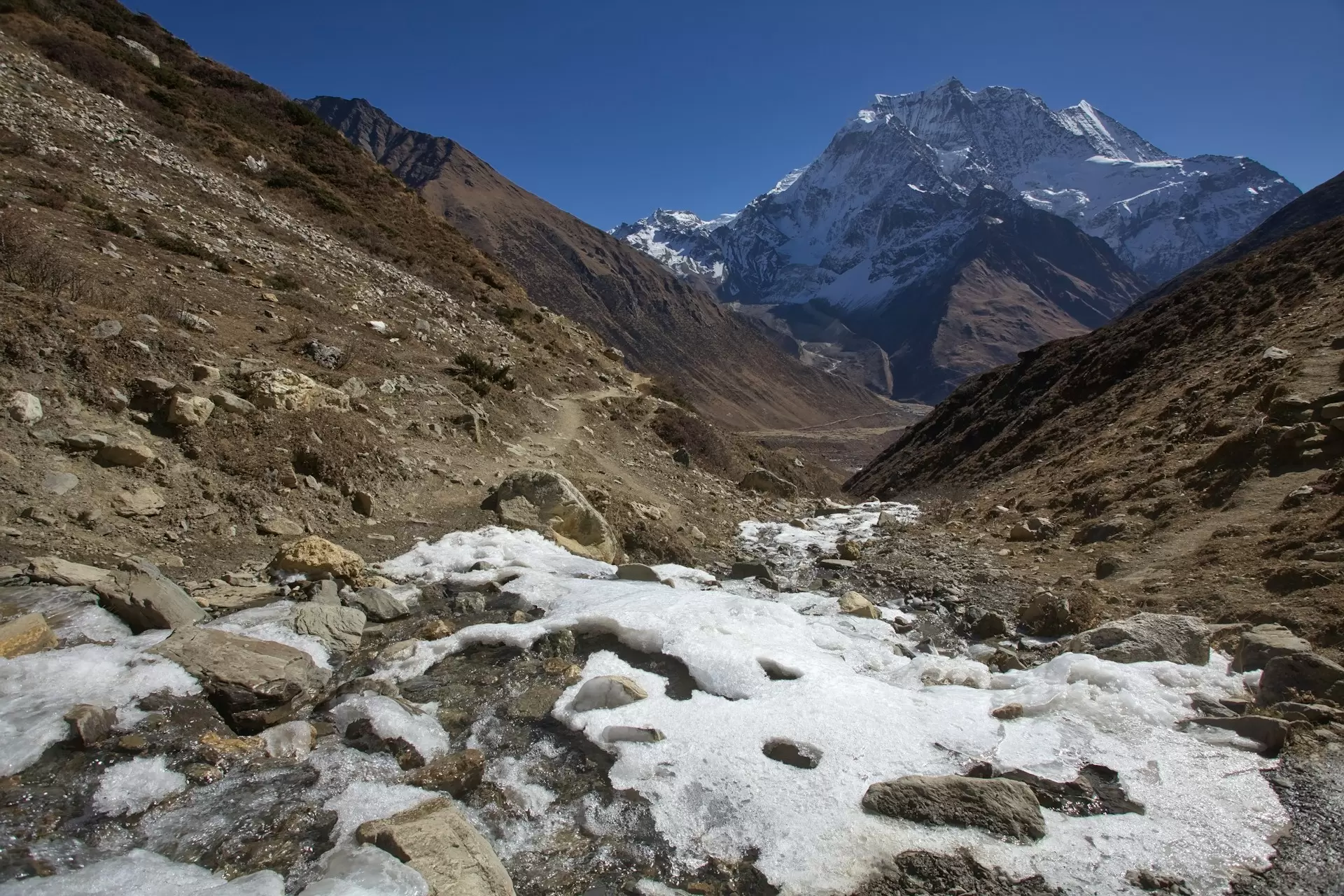
The Manaslu Circuit Trek is a stunning and challenging trekking route in Nepal that takes you around Mount Manaslu (8,163 meters), the eighth-highest mountain in the world. The trek offers trekkers a remote, less crowded alternative to the popular Annapurna Circuit, while providing an immersive experience in the beautiful landscapes, traditional villages, and rich culture of the region. Along the trek, you will pass through subtropical forests, lush valleys, high-altitude Tibetan-influenced settlements, and breathtaking mountain views. The trek takes approximately 14 to 18 days, depending on your pace and acclimatization needs, and reaches a maximum altitude of 5,160 meters at the Larkya La Pass.
The Manaslu Circuit Trek is considered moderate to strenuous due to the combination of high altitudes, challenging terrain, and the long trekking days. The trek involves significant elevation gain, with a maximum altitude of 5,160 meters at the Larkya La Pass, which means there is a risk of altitude sickness if you do not acclimatize properly. The trek also includes steep ascents and descents, some narrow and rocky sections, and the challenging Larkya La Pass, which is one of the highest trekking passes in Nepal. That said, it is achievable for trekkers with a good level of physical fitness, some prior trekking experience, and the willingness to endure the difficult parts of the journey.
The best time to do the Manaslu Circuit Trek is during autumn (September to November) and spring (March to May). These seasons offer the best weather conditions, with clear skies, moderate temperatures, and excellent visibility of the surrounding peaks, including Mount Manaslu, Ganesh Himal, and Himalchuli. During autumn, the landscape is crisp and vibrant, and it’s the peak trekking season in Nepal, so you’ll meet other trekkers along the route. Spring is a great time for enjoying blooming rhododendron forests and more moderate temperatures. Avoid trekking in the monsoon season (June to August), as heavy rain can cause landslides and make the trails slippery. Winter (December to February) brings cold temperatures, particularly at higher altitudes, and snow can make the trail to Larkya La Pass more treacherous.
The highest point on the Manaslu Circuit Trek is the Larkya La Pass, which sits at an elevation of 5,160 meters (16,929 feet). Crossing this pass is one of the main challenges of the trek, but it offers incredible panoramic views of Mount Manaslu and other surrounding peaks, such as Himalchuli, Ngadi Chuli, and Ganesh Himal. After crossing the pass, trekkers descend into the Bimtang valley, known for its breathtaking landscapes.
Yes, you are required to have a licensed guide to trek the Manaslu Circuit, as it is a restricted trekking region in Nepal. A guide will assist with navigating the trail, ensure your safety, and provide insight into the local culture and environment. Hiring a porter is also recommended, especially if you have heavy gear, as it will make the trek more comfortable and enjoyable. Porters carry your personal belongings, allowing you to focus on the hike itself. Additionally, hiring a guide and porter helps support the local economy.
Accommodation on the Manaslu Circuit Trek consists mainly of teahouses (basic guesthouses), which offer simple, clean rooms with beds and blankets. However, the quality of accommodation varies depending on the altitude, with more basic facilities at higher elevations. In lower-altitude villages, teahouses are generally more comfortable, with amenities like hot showers and Wi-Fi (though connectivity may be intermittent). At higher altitudes, especially beyond Samagaon, the teahouses may offer more basic rooms and fewer amenities. Meals are provided in the teahouses, and they typically serve traditional Nepali dishes like dal bhat, momos, noodles, and rice-based meals. At higher altitudes, the menus may be limited due to logistical challenges.
Yes, two key permits are required for the Manaslu Circuit Trek:
Manaslu Restricted Area Permit (RAP): This permit is required for all trekkers in the Manaslu region. It can only be obtained through a licensed trekking agency.
Annapurna Conservation Area Permit (ACAP): As the trek enters the Annapurna Conservation Area in the later stages of the trek, you will need this permit as well.
Trekkers' Information Management System (TIMS) Card: A TIMS card is required for tracking trekkers in Nepal. It is typically obtained through your guide or trekking agency.
These permits can be arranged by a licensed trekking agency, who will help ensure that all necessary paperwork is in order.
The Manaslu Circuit Trek is generally safe, but like any high-altitude trek, there are some risks involved. Altitude sickness is a concern due to the trek’s high elevations, especially when crossing the Larkya La Pass. It is crucial to acclimatize properly, take rest days when necessary, and hydrate frequently to minimize the risk. The trail itself is not overly technical, but some parts can be challenging, particularly in the high mountain passes and during the descent. There’s also the risk of landslides, especially during the monsoon season (June to August). Hiring a local guide can enhance safety by offering navigation assistance, first aid knowledge, and advice on altitude sickness symptoms.
ATMs are available in Kathmandu and Arughat, but there are no ATMs on the trek itself. You should carry enough cash to cover your expenses for the duration of the trek. The trekking route is quite remote, and credit card facilities are not available, so make sure you have sufficient funds before you start. Many teahouses accept cash payments in Nepali rupees or US dollars.
Packing for the Manaslu Circuit Trek requires careful attention to weather conditions and altitude. Key items to pack include:
Trekking boots: Well-broken-in and sturdy.
Clothing:Layered clothing suitable for both warm days and cold nights, including a good down jacket, fleece layers, and a rain jacket.
Sleeping bag: A sleeping bag rated for colder temperatures (for higher altitudes).
Water bottle & purification: A reusable water bottle and water purification tablets or filter.
Sunscreen & sunglasses: Protect yourself from the sun, especially at higher altitudes.
First-aid kit:Basic medications, pain relievers, bandages, and any personal medication you may need.
Headlamp & extra batteries: Essential for the early mornings or evenings when the sun sets early in the mountains.
Snacks: High-energy snacks like energy bars, nuts, and chocolate for quick refueling during the trek.
Proper physical preparation is crucial for the Manaslu Circuit Trek. It involves high altitudes, long trekking days, and some challenging terrain. To prepare, focus on cardiovascular conditioning, such as running, swimming, or hiking with a loaded backpack. Strength training for your legs and core will help with the long ascents and descents. Practicing with a backpack and gradually increasing the weight will help you get used to carrying gear. Also, if possible, try hiking at high altitudes to get used to the thinner air.