Nepal Passion Treks and Expedition

Everest Base Camp Trek

  • Best price guaranteed
  • No booking fees
  • Book Now, Pay Later
from 0 reviews
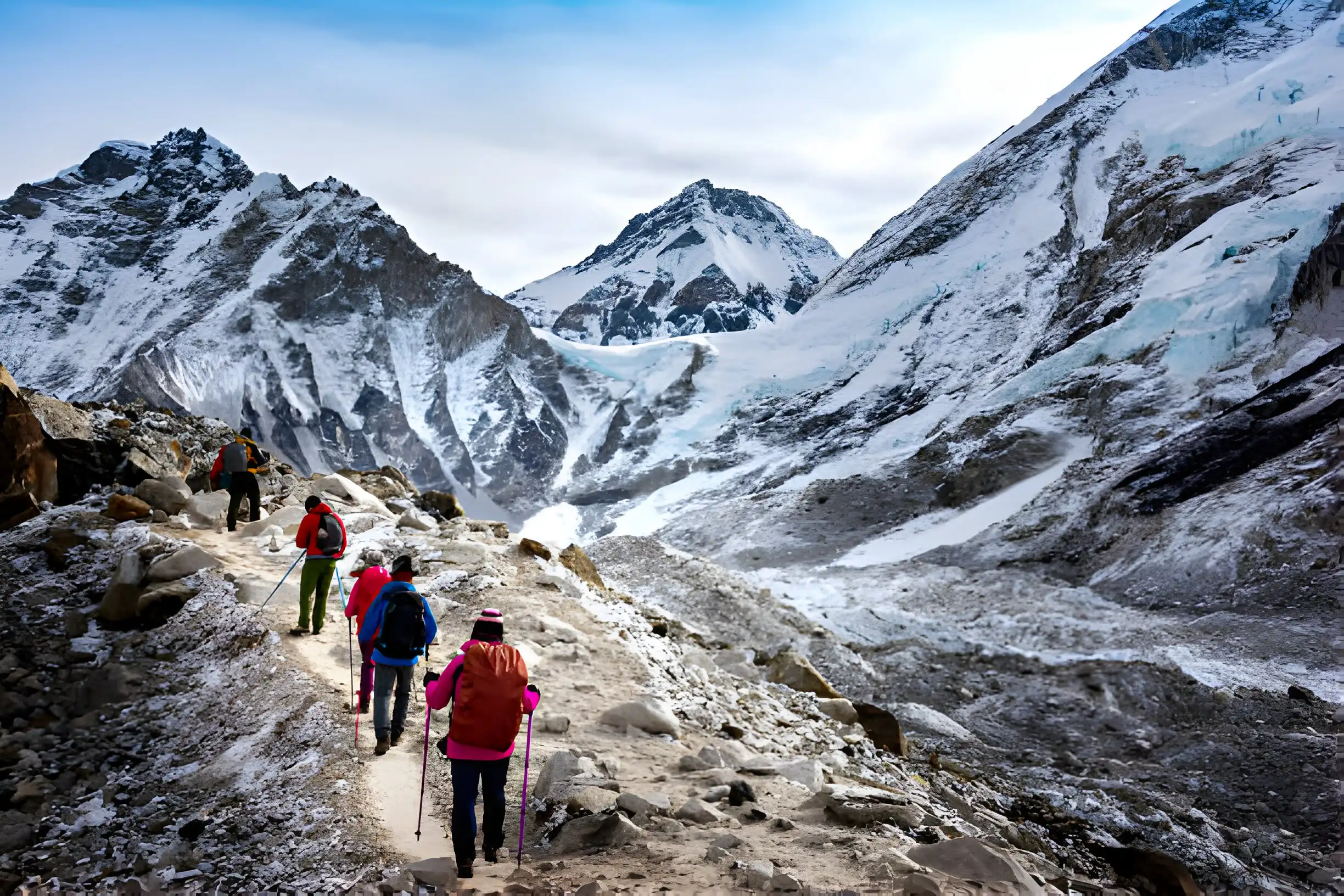
People Trekking to Everest Base Camp
Days
14
Save
US$ 170
Limited offer
From US$ 1,300
US$ 1,130
  • Best price guaranteed
  • No booking fees
  • Book Now, Pay Later
No of peoplePrice per person
1 - 1$1,300
2 - 4$1,130
5 - 9$1,110
10 - 15$1,090
16 - 20$1,070
Share
Print
Max. Elevation
5545 m / 18192 ft
Group size
5
Level
Moderate
Transportation
Domestic flight and all ground transportation as per itinerary
Best Season
Mar - May, Sep - Nov
Starts at / Ends at
Kathmandu / Kathmandu
Accomodation
3*** Hotel in Kathmandu and Tea House / Lodge during the trek
Meals
All meals during the trek
Trip Route
Kathmandu - Lukla - Namche - Tengboche - Dingboche - Lobuche - EBC - Gorak Shep - Kala Patthar - Pheriche - Namche - Lukla - Kathmandu

Highlights

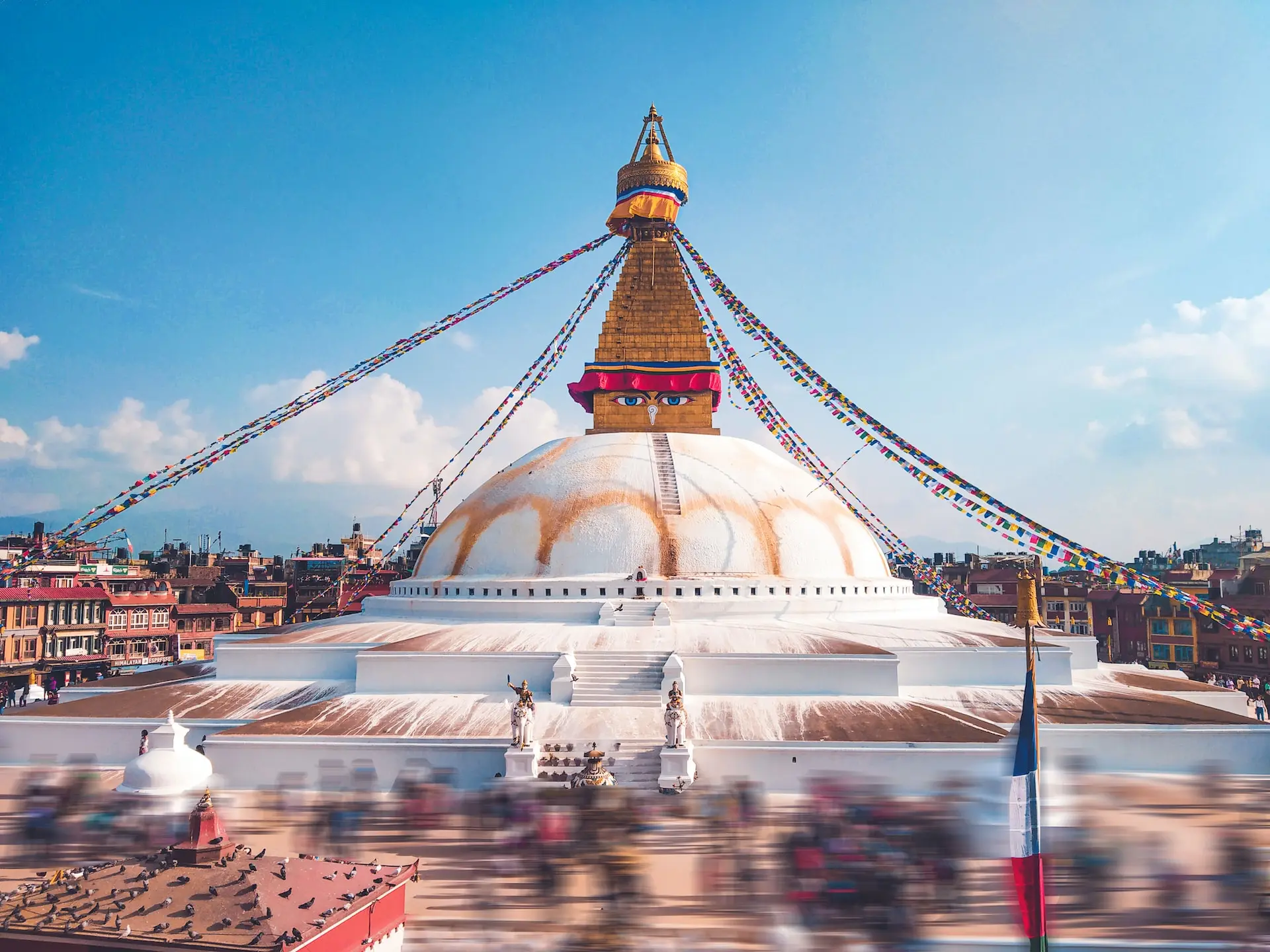
  • Explore the vibrant capital city of Nepal and visit UNESCO World Heritage Sites such as Swayambhunath (Monkey Temple), Pashupatinath Temple, and Boudhanath Stupa.
  • Experience a thrilling flight with breathtaking views of the Himalayas.
  • Enjoy personalized attention from expert trekking guides and porter services.
  • Visit the famous monastery with panoramic views of Everest, Ama Dablam, and other iconic peaks.
  • Experience one of the world’s most thrilling and scenic flights into Lukla’s high-altitude airport.
  • Vibrant Sherpa town at Namche Bazaar 3,440m (11,286ft), famous for acclimatization, culture, and views of Everest, Lhotse, and Ama Dablam.
  • Visit the iconic Buddhist monastery with stunning views of Everest and surrounding peaks.
  • UNESCO World Heritage site with diverse flora and fauna, including Himalayan tahr and red panda.
  • Trek alongside the mighty glacier, which flows from Everest’s southern face.
  • Stand at the foot of the world's highest peak EBC (5,364m/17,598ft), with panoramic views of the surrounding peaks.
  • A must-do for sunrise views of Everest and the surrounding Himalayas from an altitude of Kala Patthar 5,545m (18,192ft).
  • Immerse in the rich traditions and lifestyle of the Sherpa people, with their distinctive architecture, monasteries, and festivals.
  • Get breathtaking views of Everest, Lhotse, Nuptse, Ama Dablam, and other Himalayan giants throughout the trek.
  • Pay respects at the Khumbu Icefall memorials to climbers who have perished attempting to summit Everest.

Overview

Mount Everest, standing at 8,848.86 meters (29,031.7 feet), is the highest peak on Earth, an awe-inspiring icon of the Himalayan range. For many trekkers, reaching Everest Base Camp is the ultimate adventure—an unforgettable experience where you can stand at the foot of this colossal mountain, gazing up at the ice-covered slopes that have challenged climbers for decades. The Everest Base Camp Trek is a legendary journey that takes adventurers through some of the most stunning landscapes on Earth, all while offering the chance to view the world’s highest mountain, Mount Everest (8,848.86 meters), up close. The trek begins in Lukla, following a scenic flight from Kathmandu, and proceeds through Sherpa villages, lush forests, and past impressive mountain views. Along the way, trekkers pass through the famous Namche Bazaar, known as the gateway to the Everest region, and the serene Tengboche Monastery, before reaching Everest Base Camp itself, nestled at an altitude of 5,364 meters.

Best Season for Everest Base Camp Trek
The best time to trek to Everest Base Camp is during the two primary trekking seasons: spring (March to May) and autumn (September to November). During these months, the weather is generally stable, with clear skies, moderate temperatures, and excellent visibility of the surrounding peaks. Spring, especially, brings a burst of color to the lower altitudes with blooming rhododendron flowers, making the trekking experience even more vibrant. Autumn offers crisp air, clear views, and the perfect conditions for trekking, as the monsoon season has just passed and the days are warm, with cooler evenings. These seasons also provide the most favorable weather for acclimatization. Winter (December to February) is not ideal due to freezing temperatures and heavy snowfall, which can make trekking difficult and dangerous, while summer (June to August) coincides with the monsoon season, bringing rainfall, muddy trails, and an increased risk of landslides.

Everest Base Camp Trek Difficulty
The Everest Base Camp Trek is a challenging yet achievable adventure for those with a good level of physical fitness and determination. The trek is moderately difficult due to the long days of walking, high-altitude conditions, and the gradual ascent through rugged terrain. The most significant challenge is the altitude: Everest Base Camp sits at 5,364 meters, and trekkers will gradually climb through villages that are at higher elevations, making acclimatization a crucial part of the journey. The risk of altitude sickness increases the higher you go, which is why the trek includes rest days in key places like Namche Bazaar and Dingboche to allow your body to adjust. While no technical climbing skills are needed, the physical demands of hiking at such altitudes, often on steep and rocky trails, require mental fortitude and good preparation. However, with proper planning, pacing, and support, most trekkers with prior hiking experience and physical conditioning can successfully complete the trek.

Food and Accommodation
Along the Everest Base Camp Trek, the food and accommodation are simple but sufficient for the trek’s demands. Accommodation consists mainly of teahouses, which are basic lodges run by local Sherpa families. Rooms are usually small, with shared bathrooms and limited hot water, but they provide a warm refuge after a long day’s trek. In higher altitudes, the rooms can be basic with little to no heating, so it’s important to be prepared for cold nights. As for food, you will have a variety of options, including local Nepali dishes like dal bhat (lentil soup with rice), which is the staple food, as well as Tibetan bread, noodles, potatoes, and vegetable stews. In lower villages, you may also find Western options like pasta, pizza, and pancakes. The food in the Everest region is primarily vegetarian, but meat options are available. Due to the high altitude, the food can sometimes be more basic and more expensive the higher you go, but it provides the necessary nutrition to keep you energized for the trek. It's important to stay hydrated, and you can purchase bottled water or boil your own in most teahouses along the way.

Communication and Networking
While the Everest Base Camp region is remote, communication and networking are still accessible at key points of the trek. Most teahouses in places like Namche Bazaar, Dingboche, and Gorak Shep offer limited Wi-Fi for a small fee, although the connection can be slow and unreliable, particularly as you ascend higher. Mobile network coverage is available in many parts of the Everest region, and you can buy a local SIM card in Kathmandu to stay connected, although data reception can be patchy in the more remote areas. Communication with the outside world is possible, but be prepared for occasional disruptions, especially as you venture higher into the mountains. For safety, all trekking groups are equipped with communication devices, including satellite phones, in case of emergencies. However, it's a good idea to disconnect from your usual routine and enjoy the beauty of the Himalayas without constant digital distractions.

Why Choose Nepal Passion Treks and Expedition
At Nepal Passion Treks and Expedition, we offer an unparalleled trekking experience to Everest Base Camp, tailored to meet the needs of each individual. With over a decade of experience guiding treks in the Everest region, we are committed to providing the highest level of service, safety, and local expertise. Our team consists of professional, certified guides and porters who are intimately familiar with the terrain and culture of the Everest region, ensuring you get the most out of your adventure. We take great pride in offering a personalized experience, carefully designing each trek to fit your pace, fitness level, and preferences. Our guides ensure that you have the proper acclimatization time, a key factor in making sure you complete the trek safely and successfully.

We also prioritize sustainable tourism by supporting the local communities and respecting the environment. By choosing Nepal Passion Treks and Expedition, you're not only embarking on a world-class adventure, but you're also contributing to the welfare of the Sherpa communities. From logistical support, including permits and transportation, to a commitment to your safety and well-being, our team handles all the details so you can focus on enjoying your trek. We believe that each trekker’s journey is unique, and our focus is on creating an unforgettable, enriching, and safe experience that exceeds expectations. Let us help you make your dream of reaching Everest Base Camp a reality, with exceptional service and expert guidance every step of the way.

Important Note

Trekking Overview:
Mode:Lodges and Guest Houses from Lukla to Lukla.
Trekking Grade: Ranges from Moderate to Adventurous, influenced by high altitudes and diverse terrain.

Location:
Experience the magnificent Khumbu-Everest region in Far North Mid-East Nepal.

Key Elevations:
Kalapathar Hill: 5,643 m (18,514 ft) – a breathtaking viewpoint.
Everest Base Camp: 5,364 m (17,598 ft) – the ultimate trekking destination.

Cultural Insights:
The area is predominantly inhabited by Sherpa tribes, celebrated for their rich Tibetan Buddhist heritage and warm hospitality.

Trek Details:
Duration: 11 Nights and 12 Days (from Lukla to Lukla).
Total Trip Duration: 14 Nights / 15 Days, including your arrival and departure.

Optimal Seasons:
Accessibility: The trek is viable year-round, with the exception of the monsoon (mid-June to mid-September).
Ideal Trekking Seasons:
Spring:March to May
Autumn/Fall: September to November

Winter Trekking Considerations:
Trekking during the Christmas and New Year holidays is feasible but expect very cold temperatures. Winter often offers clear skies but shorter daylight hours.

Essential Tips:
Acclimatization: Prioritize acclimatization to prevent altitude sickness—allow yourself extra days if needed.
Packing Essentials:Prepare for temperature variations—layered clothing is key.
Cultural Respect:Immerse yourself in Sherpa traditions—approach local customs with respect and curiosity.
Hydration: Stay hydrated to support your body's adjustment to higher altitudes.

With careful preparation, you'll experience the awe-inspiring beauty of the Everest region. Enjoy every moment of your adventure!

Trip Itinerary

Arrival in Kathmandu (1,345 m / 4,413 ft)

Upon arrival at Tribhuvan International Airport, Kathmandu, you will be warmly welcomed by a representative from Nepal Passion Treks and Expedition. After the airport formalities, you will be transferred to your hotel in Thamel, the bustling heart of Kathmandu. The rest of the day is free to rest, or explore the local area and get your first taste of Nepali culture and cuisine. In the evening, you will have a briefing session about the trek, and your guide will answer any questions you may have. Overnight in Kathmandu.

Everest Base Camp Trek

Max. altitude

1,400m / 4,593 ft.
Everest Base Camp Trek

Accommodation

Hotel in kathmandu
Everest Base Camp Trek

Meals

Welcome Dinner

After an early breakfast, you will take a scenic flight from Kathmandu to Lukla, a small mountain airstrip known for its thrilling landings. The flight provides incredible views of the Himalayas. Upon arrival in Lukla, you will meet the rest of the trekking crew and begin your trek to Phakding. The trek follows a relatively easy trail alongside the Dudh Koshi River, passing through small Sherpa villages and lush forests. After a 4-5 hour walk, you will reach Phakding, where you will spend the night at a comfortable teahouse.

Everest Base Camp Trek

Max. altitude

2,610m / 8,563 ft.
Everest Base Camp Trek

Accommodation

Lodge
Everest Base Camp Trek

Meals

Breakfast, Lunch, Dinner

After breakfast, you will begin the day with a pleasant walk through the valley, crossing several suspension bridges, and then start ascending towards Namche Bazaar. This is one of the most scenic days of the trek, with magnificent views of the surrounding peaks, including Thamserku and Kusum Kanguru. The trail climbs steeply, and you will pass through beautiful pine forests and charming villages. You will reach the vibrant town of Namche Bazaar, known as the gateway to Everest. Here, you will find plenty of tea houses, restaurants, and markets, with a bustling atmosphere. Overnight in Namche.

Everest Base Camp Trek

Max. altitude

3,440m / 11,286 ft.
Everest Base Camp Trek

Accommodation

Lodge
Everest Base Camp Trek

Meals

Breakfast, Lunch, Dinner

Today is an acclimatization day to help your body adjust to the higher altitude. After breakfast, you will embark on a short trek to Syangboche, where you will enjoy panoramic views of Mount Everest, Lhotse, Nuptse, and Ama Dablam. You will continue to the Everest View Hotel, which boasts one of the best views of Everest from any hotel in the world. Take some time to relax, enjoy the breathtaking scenery, and then return to Namche Bazaar for the night.

Everest Base Camp Trek

Max. altitude

3,440m / 11,286 ft.
Everest Base Camp Trek

Accommodation

Teahouse / Lodge
Everest Base Camp Trek

Meals

Breakfast, Lunch, Dinner

After breakfast, you will continue your journey, descending through beautiful forests of pine and rhododendron before crossing the Dudh Koshi River. The trail then climbs steadily towards Tengboche, home to the famous Tengboche Monastery. The monastery is a significant spiritual center for the Sherpas, and you will have the opportunity to witness the Buddhist culture and traditions. Along the way, enjoy splendid views of Everest, Ama Dablam, and other surrounding peaks. Overnight in Tengboche.

Everest Base Camp Trek

Max. altitude

3,860m / 12,664 ft.
Everest Base Camp Trek

Accommodation

Lodge
Everest Base Camp Trek

Meals

Breakfast, Lunch, Dinner

Today, the trail continues through the rhododendron forests, and you will begin a steady ascent towards Dingboche. The path takes you through Pangboche, a small village with great views of Ama Dablam, before climbing further to Dingboche, a village that sits in a picturesque location surrounded by a landscape of high mountain vistas. The air is noticeably thinner here, so it’s important to stay hydrated and take it slow. Overnight in Dingboche.

Everest Base Camp Trek

Max. altitude

4,410m / 14,469 ft.
Everest Base Camp Trek

Accommodation

Lodge
Everest Base Camp Trek

Meals

Breakfast, Lunch, Dinner

To help with acclimatization, today you will hike up to Nagarjuna Hill, a viewpoint that offers panoramic views of the surrounding peaks, including Makalu, Lhotse, Island Peak, and the summit of Everest in the distance. After spending some time soaking in the views and resting, you will descend back to Dingboche for the night. This hike will help your body adjust to the altitude while providing excellent photo opportunities.

Everest Base Camp Trek

Max. altitude

5,100m / 16,732 ft.
Everest Base Camp Trek

Accommodation

Lodge
Everest Base Camp Trek

Meals

Breakfast, Lunch, Dinner

Today, you will continue your ascent towards Lobuche, passing through the village of Dughla, where you will stop at the memorials for fallen climbers who perished on Everest. After a brief rest, the trail becomes steeper as you approach Lobuche. The surrounding landscape is stark and beautiful, with views of towering peaks like Pumori and Nuptse. The air is thin at this altitude, so it’s important to take it slow. Overnight in Lobuche.

Everest Base Camp Trek

Max. altitude

4,940m / 16,207 ft.
Everest Base Camp Trek

Accommodation

Lodge
Everest Base Camp Trek

Meals

Breakfast, Lunch, Dinner

Today is the highlight of your trek as you reach Everest Base Camp! After a hearty breakfast, you will head towards Gorak Shep, passing through a rocky, desolate terrain. Once at Gorak Shep, you will rest briefly before continuing your journey to Everest Base Camp itself. The trail winds through rocky moraine, with magnificent views of the Khumbu Glacier and the towering peaks around you. Upon reaching Everest Base Camp, you will be rewarded with incredible views of the surrounding mountains and the opportunity to celebrate this incredible achievement. After spending some time at Base Camp, you will return to Gorak Shep for the night.

Everest Base Camp Trek

Max. altitude

5,364m / 17,598 ft.
Everest Base Camp Trek

Accommodation

Lodge
Everest Base Camp Trek

Meals

Breakfast, Lunch, Dinner

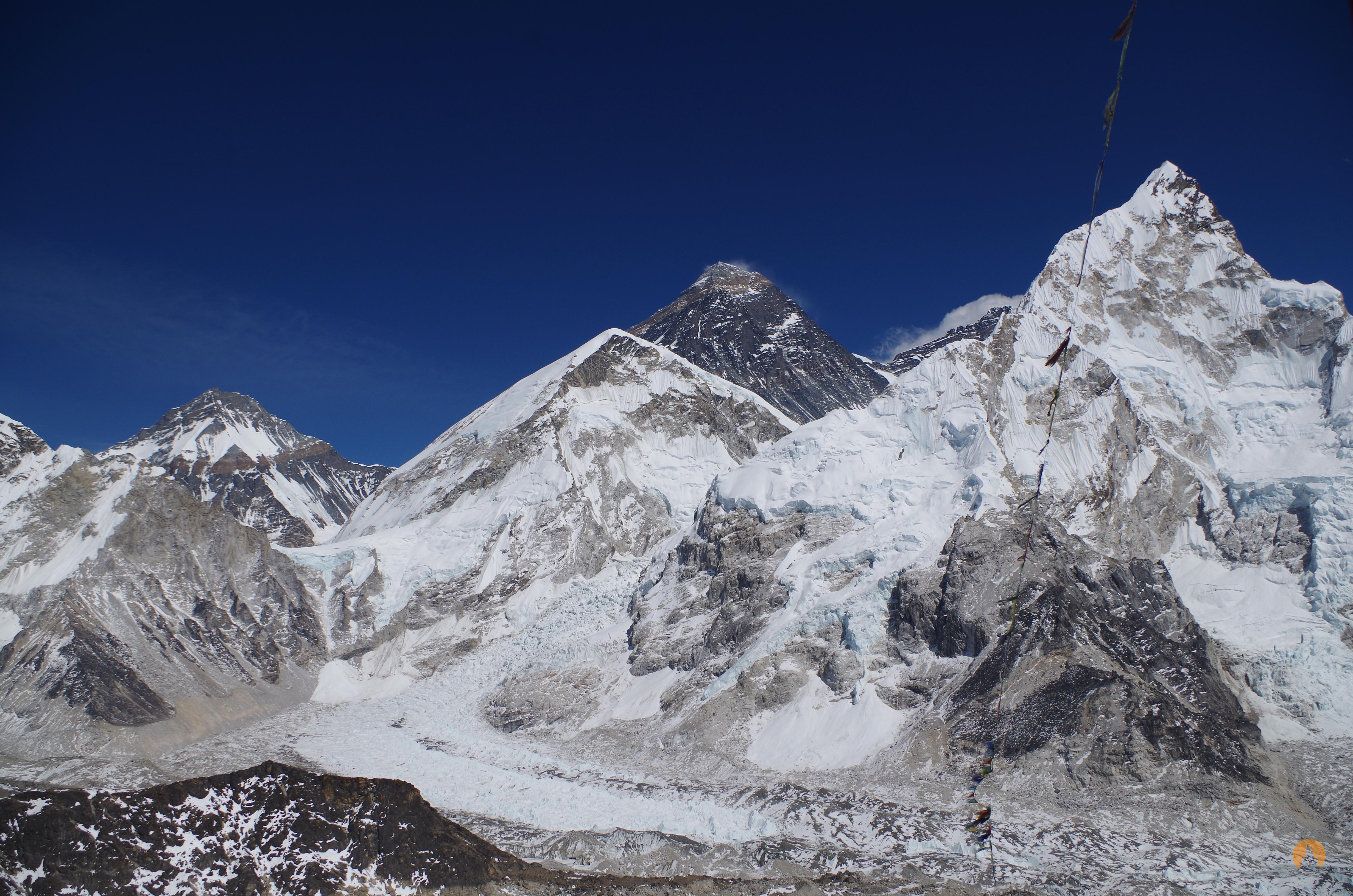
Today is another early start as you hike to Kala Patthar, the famous viewpoint for panoramic views of Mount Everest. From the summit of Kala Patthar, you will be treated to one of the best sunrise views on Earth, with Everest and its surrounding peaks bathed in golden light. After soaking in the views, you will begin your descent towards Pheriche, a peaceful village where you will spend the night. The trek down offers incredible views and a chance to rest your legs after the ascent to Kala Patthar.

Everest Base Camp Trek

Max. altitude

4,371m / 14,341 ft.
Everest Base Camp Trek

Accommodation

Lodge
Everest Base Camp Trek

Meals

Breakfast, Lunch, Dinner

After breakfast in Pheriche, you will continue your trek down towards Namche Bazaar. The trail passes through beautiful forests and small Sherpa villages, offering a welcome descent after the strenuous days at higher altitudes. Along the way, you will pass the famous Tengboche Monastery once again before arriving in Namche Bazaar. Once in Namche, you will have the opportunity to rest and enjoy a hot meal in the town. Overnight in Namche.

Everest Base Camp Trek

Max. altitude

3,440m / 11,286 ft.
Everest Base Camp Trek

Accommodation

Lodge
Everest Base Camp Trek

Meals

Breakfast, Lunch, Dinner

On your final trekking day, you will descend back to Lukla. The trail leads through the picturesque villages of Monjo and Phakding, with the beautiful landscape of the Khumbu Valley unfolding before you. As you approach Lukla, you will have time to reflect on the incredible journey you’ve completed. Once in Lukla, you will check into your lodge and celebrate the completion of your trek with your fellow trekkers and the crew. Overnight in Lukla.

Everest Base Camp Trek

Max. altitude

2,846m / 9,337 ft.
Everest Base Camp Trek

Accommodation

Lodge
Everest Base Camp Trek

Meals

Breakfast, Lunch, Dinner

After a relaxed breakfast, you will take a scenic flight back to Kathmandu. Upon arrival, you will be transferred to your hotel, where you can rest and freshen up. In the evening, Nepal Passion Treks and Expedition will host a farewell dinner in a traditional Nepali restaurant to celebrate the success of your trek and to share stories with fellow trekkers. This is a great time to reflect on the adventure and enjoy some final moments in Nepal.

Everest Base Camp Trek

Max. altitude

1,400m / 4,593 ft.
Everest Base Camp Trek

Accommodation

Hotel
Everest Base Camp Trek

Meals

Breakfast, Lunch, Dinner

After breakfast, you will be transferred to Tribhuvan International Airport for your flight home or to your next destination. Your unforgettable journey to Everest Base Camp comes to an end, but the memories and experiences will stay with you forever.
Everest Base Camp Trek

Max. altitude

0m / 0 ft.
Everest Base Camp Trek

Accommodation

Hotel
Everest Base Camp Trek

Meals

Breakfast
Not satisfied with this itinerary? Make your own.
Plan My Trip
Elevation Chart

Includes

  • Hotel accommodation in Kathmandu for 2 nights with breakfast (1 nights before the trek, 1 night after).
  • Teahouse accommodations during the trek.
  • All meals (breakfast, lunch, dinner) during the trek.
  • Welcome and farewell dinners in Kathmandu.
  • Airport transfers in Kathmandu.
  • Domestic flights: Kathmandu to Lukla and return.
  • Sagarmatha National Park entry permit.
  • TIMS (Trekkers’ Information Management System) card.
  • Experienced, English-speaking trek guide.
  • Porter(s) to carry luggage (1 per 2 trekkers).
  • Use of a down jacket and sleeping bag (returned post-trek).
  • Trekking map and group medical kit.
  • Pre-departure information and briefing.

Doesn't Include

  • International flights to/from Kathmandu.
  • Nepal entry visa fee.
  • Mandatory travel insurance (including emergency rescue).
  • Personal trekking equipment.
  • Personal expenses (laundry, calls, internet, etc.).
  • Alcoholic beverages and bottled water.
  • Extra nights in Kathmandu outside scheduled itinerary.
  • Additional meals and beverages not specified.
  • Tips for trekking staff.
  • Other services not listed in the “Includes” section.
Why Book with Us?
  • Excellent customer service. Our travel experts are ready to help you 24/7.
  • Best price guaranteed.
  • No credit card or booking fees.
  • 100% financial protection.
  • Environmentally-friendly tours.

Frequently Asked Questions

The Everest Base Camp (EBC) Trek is a popular trekking route in Nepal that takes you to the base camp of Mount Everest, the highest peak in the world. The trek offers an opportunity to experience the stunning beauty of the Khumbu region, pass through traditional Sherpa villages, and witness breathtaking views of the Himalayas. The journey usually takes around 12-14 days, including acclimatization days, and covers a distance of about 130 kilometers (80 miles) round-trip from Lukla to Everest Base Camp.

While the Everest Base Camp Trek is considered moderate to challenging, it is achievable for anyone with basic physical fitness and a strong sense of determination. The trek involves walking for 5-7 hours a day on varying terrain, including steep ascents and descents. However, the real challenge lies in the altitude. The trek ascends to 5,364 meters (17,598 feet) at Base Camp, and the risk of altitude sickness is a key consideration. Proper acclimatization, slow progress, and staying hydrated are essential to successfully completing the trek.

The best time to do the Everest Base Camp Trek is during the two main trekking seasons: spring (March to May) and autumn (September to November). During these periods, the weather is generally clear and stable, with moderate temperatures and minimal rainfall. Spring offers the chance to witness rhododendron blooms, while autumn provides crystal-clear views of the mountains. The winter months (December to February) are colder, and the summer monsoon (June to August) brings heavy rainfall and risks of landslides.

While it is possible to trek to Everest Base Camp without a guide or porter, it is highly recommended to hire one for safety, navigation, and cultural insights. Guides are familiar with the terrain, weather conditions, and how to handle altitude-related issues, while porters help carry your luggage, making the trek more comfortable. A guide can also enhance your experience by sharing knowledge about the region, the culture of the Sherpa people, and the mountains themselves.

Accommodation on the Everest Base Camp Trek consists primarily of teahouses, which are small, family-run lodges providing basic facilities. The rooms typically have a bed with a blanket, and some may have an attached bathroom, though most will require using shared toilet facilities. The teahouses also serve food, with a menu offering a variety of Nepalese and Western dishes, including dal bhat (rice and lentils), momo (dumplings), pasta, and soup. As you gain altitude, facilities become more basic.

Everest Base Camp is located at 5,364 meters (17,598 feet) above sea level. While most trekkers can reach this altitude without major issues, the risk of altitude sickness is real and should not be underestimated. Symptoms may include headaches, dizziness, nausea, and shortness of breath. To minimize this risk, it is crucial to take regular acclimatization breaks, stay hydrated, and avoid ascending too quickly. Your guide will help monitor your health, and if symptoms of altitude sickness become severe, descending to a lower elevation is advised.

Packing for the Everest Base Camp Trek requires careful consideration of both the weather and the trek's physical demands. Essentials include warm clothing (layers are key), a good-quality sleeping bag, trekking boots, waterproof gear, a hat, gloves, and a daypack. You should also bring a first-aid kit, sunscreen, water purification tablets, snacks, a camera, and a power bank (as electricity is available in most teahouses but can be unreliable). Remember to pack lightly, as your porter will carry the majority of your gear, but keep in mind that some items can be purchased in Kathmandu or Lukla.

The Everest Base Camp Trek typically takes around 12-14 days. The trek begins with a flight to Lukla from Kathmandu, followed by a 10-day trek to Everest Base Camp, and then a 2-3 day return journey to Lukla. The itinerary is designed to allow for acclimatization days in Namche Bazaar and Dingboche to help your body adjust to the altitude. These rest days are critical for minimizing the risk of altitude sickness.

While it is possible to trek to Everest Base Camp independently, the trekking routes are well-marked, and guides or porters can significantly enhance your safety and experience. Solo trekkers may need to arrange their permits (including the TIMS card and Sagarmatha National Park permit), navigate the challenging terrain, and handle altitude sickness without expert support. Additionally, hiring a guide and porter helps support the local economy and ensures your journey is more comfortable.

The Everest Base Camp Trek can be suitable for children or elderly trekkers, depending on their physical fitness and acclimatization to high altitudes. Some families have trekked with young children, though the challenging nature of the terrain and the altitude should be carefully considered. Elderly trekkers who are in good health and have experience with trekking at high altitudes can also attempt the trek, but it is essential to consult with a doctor before departure and pace the journey accordingly.

To trek to Everest Base Camp, you will need two main permits: the TIMS (Trekkers' Information Management System) card and the Sagarmatha National Park entry permit. These permits are easily obtained through a trekking agency or in Kathmandu before your trek begins. The TIMS card costs around USD 20-25, while the Sagarmatha National Park permit is approximately USD 30-35 for foreign nationals. If you are trekking with a guide, they will handle the permit arrangements for you.

While the Everest Base Camp Trek offers opportunities for breathtaking views and remote experiences, staying connected is still possible in certain areas. Most teahouses have Wi-Fi for a fee, especially in larger settlements like Namche Bazaar and Gorak Shep. However, internet speeds can be slow, and coverage may not be reliable, especially at higher altitudes. For communication, you can use local SIM cards for phone calls and texts, but expect limited coverage as you ascend.

Trekking to Everest Base Camp is generally safe, but like any high-altitude trek, there are inherent risks. The main concern is altitude sickness, which can be mitigated by proper acclimatization and pacing. It is essential to trek with a guide, monitor your health closely, and be prepared to descend if necessary. In the event of an emergency, helicopter evacuation services are available, though they can be costly. Overall, with adequate preparation and the right precautions, the trek can be a safe and rewarding adventure.
Read more FAQs

Similar Trips

Everest Three Pass Trek
Trekking
Everest Three Pass Trek - 20 days
Difficulty:  Moderate
Max. altitude:  5545 m
US$1,440  Save US$ 160
Explore
Gokyo Lake Trek
Trekking
Gokyo Lake Trek - 12 days
Difficulty:  Moderate
Max. altitude:  5357 m
US$1,240  Save US$ 140
Explore