| No of people | Price per person |
|---|---|
| 1 - 1 | $1,015 |
| 2 - 4 | $890 |
| 5 - 9 | $875 |
| 10 - 15 | $860 |
| 16 - 20 | $845 |
Welcome to Nepal! Upon your arrival at Tribhuvan International Airport in Kathmandu, you will be greeted by a representative from Nepal Passion Treks and Expedition. You will be transferred to your hotel in the vibrant Thamel area. After checking in, you can relax, explore the local shops, or enjoy a nice meal in one of the local restaurants. In the evening, your guide will brief you about the Annapurna Base Camp trek, including safety precautions, what to expect on the trail, and how to prepare. Overnight at the hotel in Kathmandu.
Today, you will explore the cultural and historical gems of Kathmandu. Visit UNESCO World Heritage Sites, including the Swayambhunath Stupa (Monkey Temple), Boudhanath Stupa, Pashupatinath Temple, and the Kathmandu Durbar Square. These ancient temples and stupas are integral to Nepal's rich spiritual and cultural heritage. You’ll also have the chance to visit local markets and enjoy the vibrant atmosphere of the city. After sightseeing, you’ll return to your hotel to prepare for your trek, finalizing permits and gear. Overnight in Kathmandu.
After breakfast, you’ll drive from Kathmandu to Pokhara, a picturesque city nestled in the foothills of the Annapurna Mountain Range. The 6-7 hour journey offers scenic views of the countryside, rivers, and terraced fields as you make your way toward Pokhara. Upon arrival in Pokhara, you’ll be transferred to your hotel. In the evening, you can relax by the lakeside and enjoy the serene views of the surrounding mountains. Overnight in Pokhara.
After breakfast in Pokhara, you will take a short drive (about 1.5 hours) to Nayapul, the starting point of your trek. From Nayapul, you will begin your trek to Ghandruk, a beautiful Gurung village known for its traditional stone houses and stunning views of the Annapurna and Machapuchare (Fishtail) peaks. The trek follows the Modi Khola River, with gradual ascents through lush forests of rhododendron and bamboo. The walk will take approximately 5-6 hours, and upon arrival in Ghandruk, you can enjoy magnificent views of the surrounding mountains. Overnight in Ghandruk.
Today, your trek takes you from Ghandruk to Chomrong, a beautiful village situated in the heart of the Annapurna Sanctuary. The trail climbs steeply out of Ghandruk and then descends to cross the Kimrong Khola River. After crossing the river, the path climbs again through forests and terraced fields, with excellent views of Annapurna South and Machapuchare. After a 5-6 hour trek, you’ll reach Chomrong, where you’ll spend the night. Chomrong offers breathtaking views of the surrounding snow-capped peaks. Overnight in Chomrong.
Today’s trek will take you from Chomrong to Dovan, passing through dense forests of oak, rhododendron, and bamboo. The trail descends steeply from Chomrong to cross the Chomrong Khola River before climbing gently to the village of Sinuwa. From here, the path continues upwards through lush forests, with occasional views of the surrounding peaks. You will pass through the hamlets of Bamboo and reach Dovan after approximately 5-6 hours of trekking. Dovan is a small settlement nestled in the valley and offers a peaceful atmosphere for rest. Overnight in Dovan.
The trail today takes you to Deurali, which is located at a higher altitude and offers stunning views of the surrounding mountains. The trek starts with a gradual ascent through the forest, with occasional views of Machapuchare and Annapurna South. As you climb, the vegetation becomes sparser, and the landscape transforms into a more alpine environment. After 4-5 hours of trekking, you will reach Deurali, where you will have magnificent views of the surrounding snow-capped peaks. This is a perfect spot to rest and acclimatize. Overnight in Deurali.
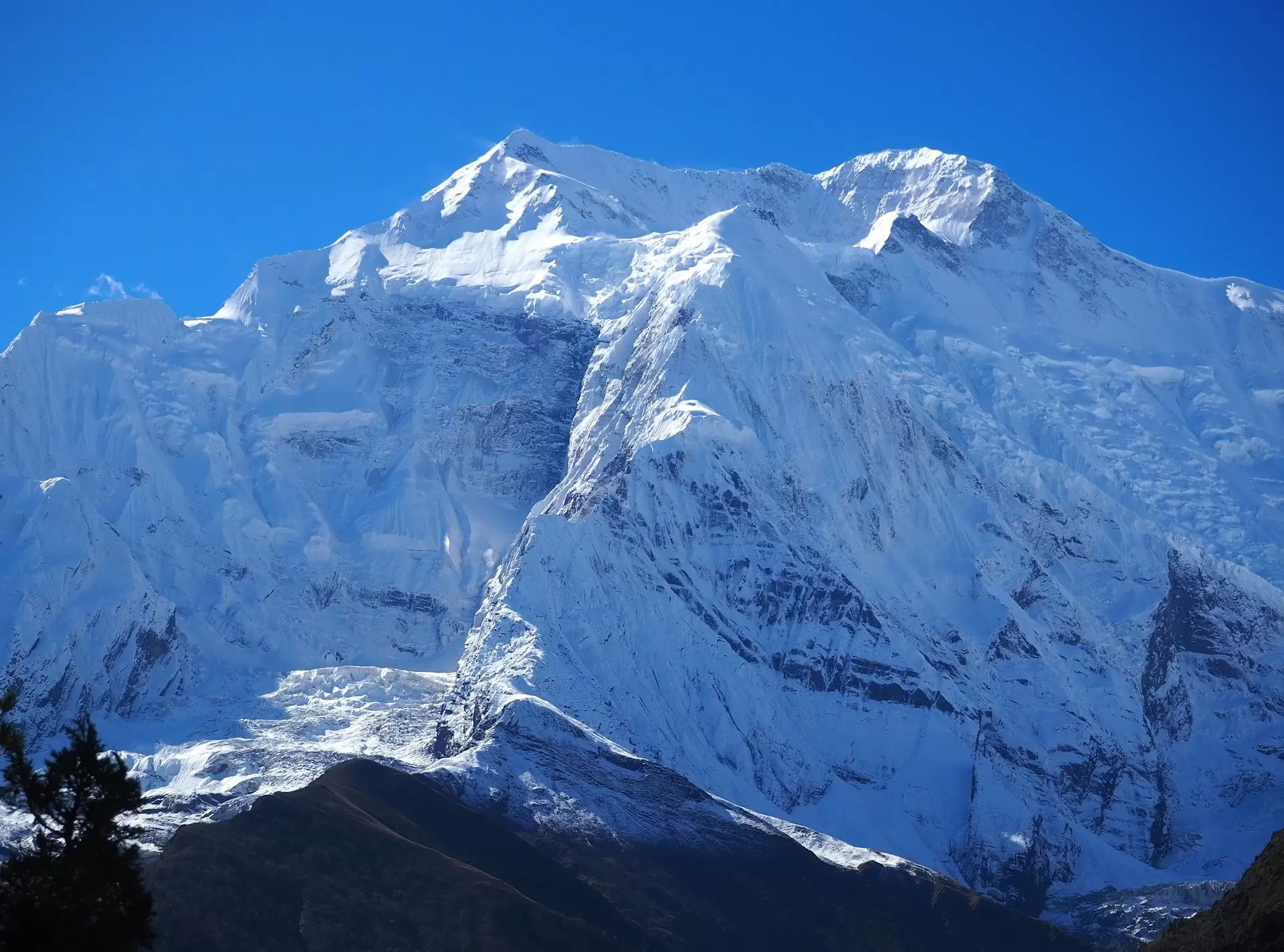
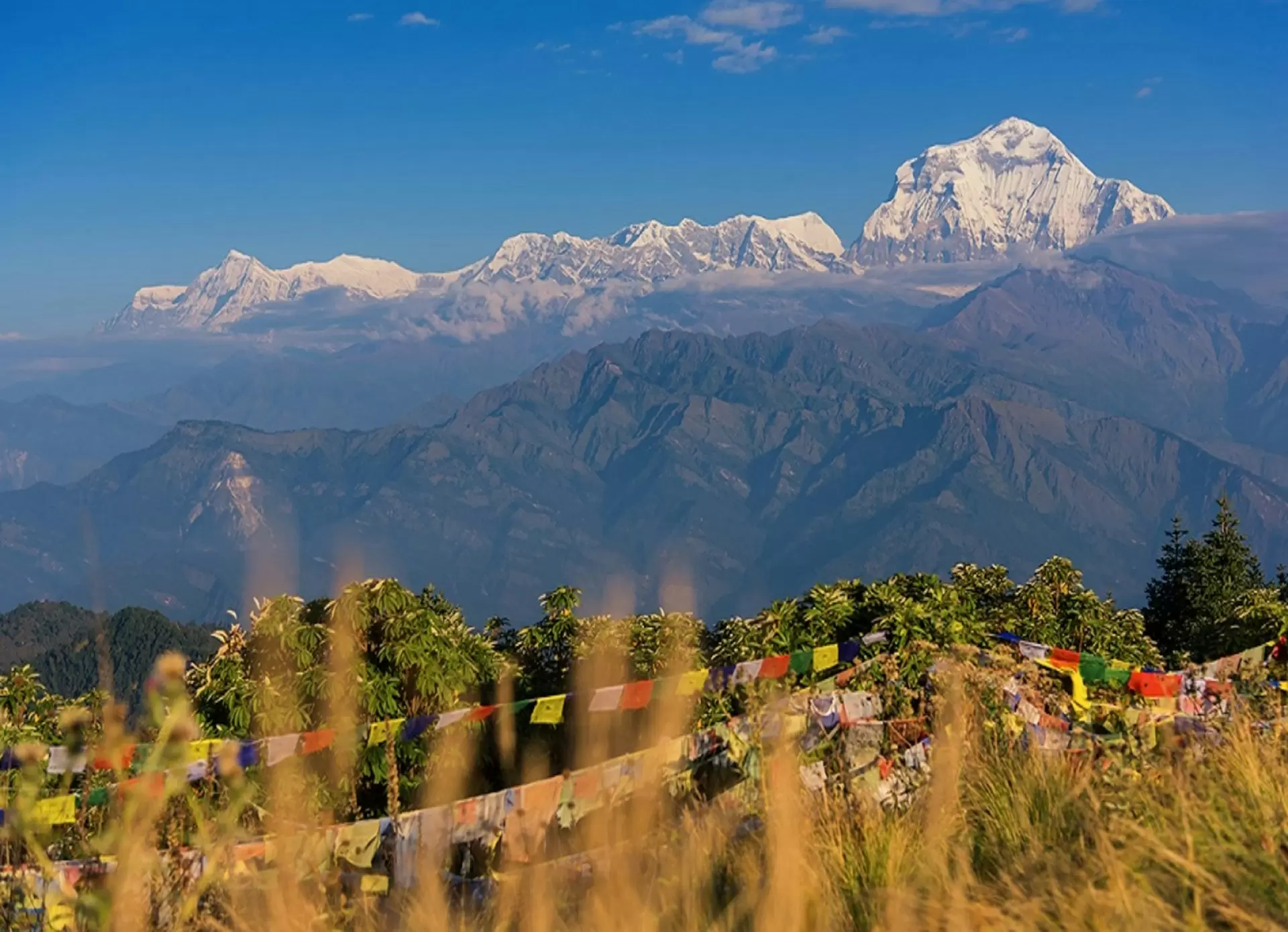
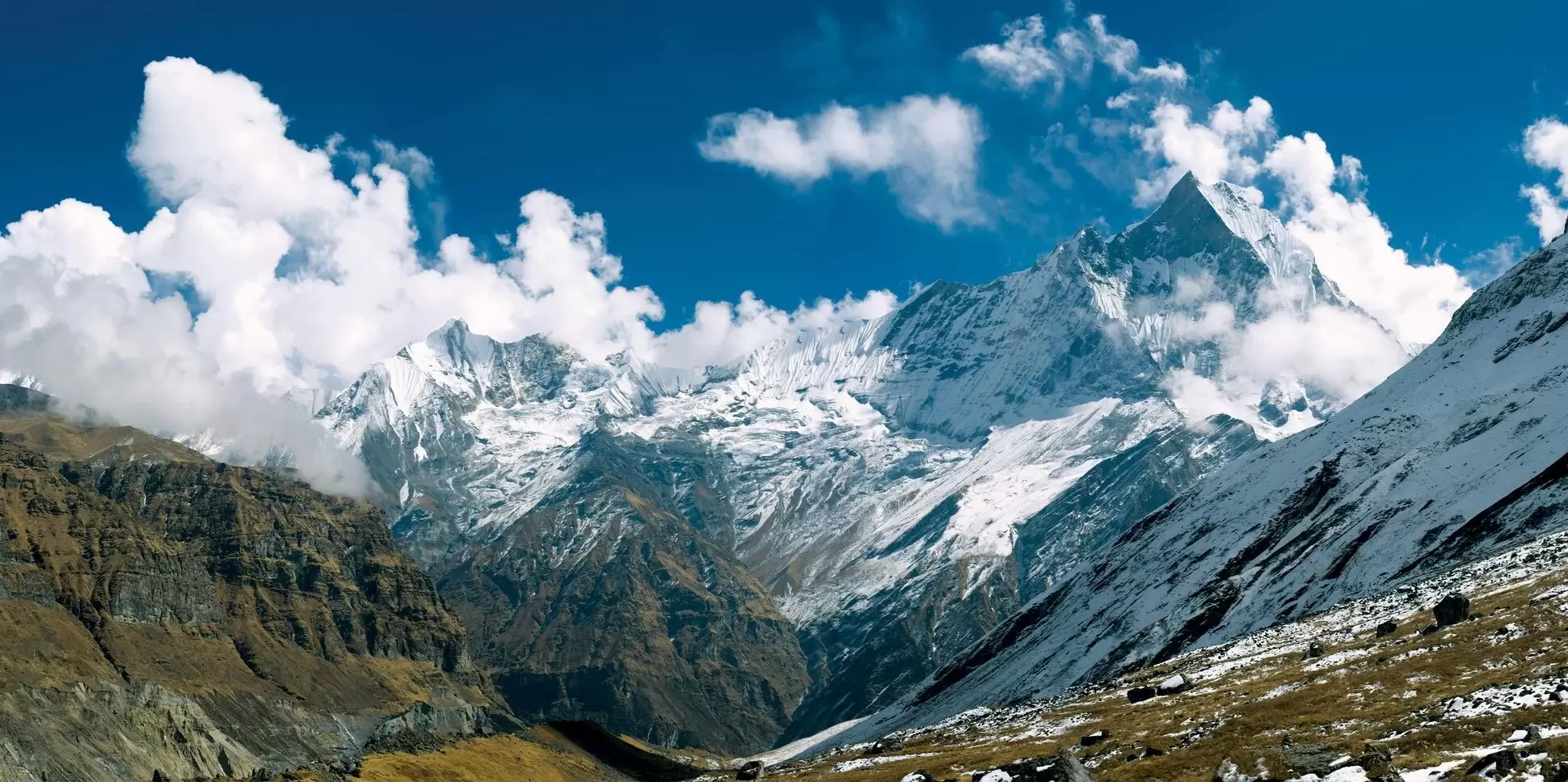
Today is the day you reach Annapurna Base Camp! After breakfast, you will continue your ascent through the beautiful alpine landscape, passing through a series of waterfalls and streams. As you climb higher, the landscape opens up, and you’ll be rewarded with breathtaking views of the Annapurna Range, including Annapurna I, Annapurna South, Machapuchare, and Hiunchuli. After a 5-6 hour trek, you will reach Annapurna Base Camp (4,130 meters), the ultimate destination of your trek. The views from here are simply stunning, and you’ll feel a great sense of achievement as you stand at the foot of some of the highest peaks in the world. Spend some time exploring the area and taking in the beauty of the surroundings. Overnight at Annapurna Base Camp.
After a memorable morning at Annapurna Base Camp, you’ll begin your descent back down the mountain. The trek today will take you from ABC back to Bamboo, passing through the same beautiful landscape you experienced on the way up. The descent is easier on the body and takes approximately 5-6 hours. You will pass through forests, rivers, and villages, with stunning views along the way. Bamboo is a peaceful place to relax and recover after your time at Annapurna Base Camp. Overnight in Bamboo.
Today’s trek takes you from Bamboo to Jhinu Danda, a village known for its natural hot springs. The trail gradually descends through rhododendron forests and terraced fields. After 4-5 hours of trekking, you will arrive in Jhinu Danda. Here, you can take a refreshing dip in the hot springs, which are known to have therapeutic qualities. This is a great way to relax your muscles after the trek and enjoy the beautiful natural surroundings. Overnight in Jhinu Danda.
After breakfast, you’ll begin your trek to Nayapul, which will take approximately 4-5 hours. The trail descends through terraced fields and forests before reaching Nayapul. From Nayapul, you will drive back to Pokhara by vehicle (about 1.5 hours). In Pokhara, you can relax, shop, or explore the lakeside area. In the evening, you can reflect on your incredible journey to Annapurna Base Camp. Overnight in Pokhara.
After breakfast, you will take a tourist bus back to Kathmandu. The scenic drive takes approximately 6-7 hours and passes through the beautiful Nepali countryside, following the Trishuli River. Upon arrival in Kathmandu, you’ll be transferred to your hotel. The rest of the day is free for shopping, sightseeing, or simply relaxing before your departure. In the evening, Nepal Passion Treks and Expedition will host a farewell dinner to celebrate your successful trek. Overnight in Kathmandu.
After breakfast, you’ll be transferred to Tribhuvan International Airport for your flight back home or onward journey. Your Annapurna Base Camp trek has come to a successful end, and the memories of the stunning landscapes, incredible peaks, and cultural experiences will stay with you for years to come.
年1月1日、カトマンズで、エベレスト遊覧飛行をお願いしました。 遊覧飛行自体も素晴らしく、雄大なヒマラヤを楽しんだのですが、 高評価のポイントは、遊覧飛行ではなく、担当してくれたアディカリ ディルバさんです。 彼は日本に長くいらしたので、日本語もペラペラで、それもお勧めポイントですが、なにより、彼の神対応です。 当日早朝に交通トラブルがあり、頼んでおいたピックアップとうまく合流できませんでした。 困って担当のアディカリさんに電話したところ、すぐにバイクで駆けつけてくれました。 (電話したのは早朝6時ころ。バイクで来てくれたのは、その15分後くらいでした!) その場で車を再手配して、空港まで同行してくれ、セキュリティチェックまで同行して、並んでいる人に事情を説明し、順番を飛ばしたり、私たちを誘導してくれました。 その後、私たちの飛行機が離陸するまで、待機してくれていたそうです。 今回は遊覧飛行のお願いでしたが、アディカリさんはトレッキングガイドもされています。 オフィスはカトマンズですが、ゴルカ族なので西の方にもお詳しいそう。 ネパールでのツアーに不安がある方は、ぜひ、相談されると良いと思います! On January 1, 2025, I asked a mountain flight in Kathmandu. The flight itself was wonderful and we enjoyed the magnificent Himalayas, The point of high praise was not the sightseeing flight, but Mr. Adhikari Dilruba. Since he has been in Japan for a long time, he is fluent in Japanese, which is also a recommended point, but above all, his correspondence. There was a traffic problem early on that day, so I was unable to meet up with the pickup I had ordered. I was worried and called the person in charge, Mr. Adhikari Dilbar, who immediately came over on his motor bike. (I called around 6am in the morning. He came by motor bike about 15 minutes later!) He arranged a car for me on the spot, accompanied me to the airport, accompanied me to the security check, explained the situation to people in line, and guided me around ahead of my turn. After that, he waited for us until our plane took off. This time I asked for a mountain flight, but apparently Mr. Adhikari also works as a trekking guide. His office is in Kathmandu, but since he is a Gorkha, he seems to have knowledge of the West as well. If you have any concerns about activities in Nepal, please feel free to contact him and his company!
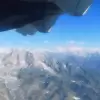
The Annapurna Base Camp Trek (ABC Trek) is one of Nepal's most popular trekking routes, offering stunning views of the Annapurna mountain range, including Annapurna I, the 10th highest peak in the world. The trek takes you through a variety of landscapes, from subtropical forests and terraced fields to alpine meadows and high-altitude glaciers. It typically takes 7 to 12 days, depending on the route and pace, and ends at the Annapurna Base Camp (4,130 meters/13,550 feet), where trekkers can enjoy breathtaking panoramic views of the surrounding peaks.
The Annapurna Base Camp Trek is considered a moderate trek. While it does not require technical climbing skills, it involves significant altitude gains, with the highest point being at 4,130 meters. Trekking at higher altitudes can lead to altitude sickness, so it's important to acclimatize properly and maintain a slow pace. The trail itself is relatively well-maintained, but it can be physically demanding due to the steep ascents and descents. Trekkers should have a basic level of fitness, but experience in trekking is not required.
The best seasons for trekking to Annapurna Base Camp are during the spring (March to May) and autumn (September to November). These months offer the best weather conditions, with clear skies and moderate temperatures, making it ideal for trekking. During these seasons, the views are spectacular, and the trekking trails are most accessible. Winter (December to February) can be very cold, with snow blocking the trail in higher elevations, while summer (June to August) is monsoon season, with frequent rain and muddy paths.
The highest point on the Annapurna Base Camp Trek is the base camp itself, located at 4,130 meters (13,550 feet) above sea level. Although the trek doesn’t reach extreme altitudes like some other treks in Nepal, altitude sickness can still be a concern, especially if trekkers ascend too quickly without allowing for proper acclimatization.
Accommodation along the Annapurna Base Camp Trek mainly consists of teahouses, which are basic lodges providing rooms with a bed, blanket, and shared bathroom facilities. These teahouses also serve food, typically consisting of traditional Nepalese dishes such as dal bhat (lentil soup with rice), momo (dumplings), and other trekking-friendly meals like pasta, noodles, and soup. While the accommodations are generally simple, they are comfortable enough for trekkers to rest after a day of hiking.
Yes, the Annapurna Base Camp Trek is generally safe for trekkers who are well-prepared and follow the guidance of professional guides or porters. The trail is well-established and heavily trafficked by trekkers, providing a sense of security. However, as with any trek at higher altitudes, there are risks associated with altitude sickness, so it's crucial to stay hydrated, take rest days as needed, and avoid pushing yourself too hard. It's also recommended to travel with a licensed guide or porter to enhance safety and ensure proper navigation of the trails.
Yes, trekkers are required to obtain two permits for the Annapurna Base Camp Trek. The first is the Annapurna Conservation Area Permit (ACAP), which is mandatory for entry into the Annapurna region. The second is the Trekkers' Information Management System (TIMS) card, which helps to ensure safety and provides a record of trekkers in case of emergencies. These permits can be easily obtained in Pokhara or Kathmandu with a valid passport and passport-sized photos.
While it is possible to do the Annapurna Base Camp Trek independently, it is recommended to hire a guide or porter, especially for those unfamiliar with trekking in Nepal. A guide can help with navigation, provide insight into the local culture, and assist in managing altitude sickness. Porters can also be hired to carry your trekking gear, allowing you to focus on the trek itself. Guided treks offer extra security and support in case of emergencies, such as altitude-related issues or injury.
Packing for the Annapurna Base Camp Trek requires careful planning. Essential items include good trekking boots, a lightweight sleeping bag (though most teahouses provide blankets), a warm jacket, fleece layers, a rain jacket, a hat, gloves, and sunglasses. You’ll also need a water bottle or purification tablets, a first aid kit, sunscreen, a camera, and personal hygiene items. Don't forget your passport, permits, and a power bank for charging devices, as electricity may not always be available.
Preparation for the Annapurna Base Camp Trek involves building physical fitness, particularly focusing on endurance and strength. Cardiovascular exercises such as hiking, running, or cycling can help prepare your body for the demands of the trek. It's also important to practice walking with a backpack to simulate the weight you’ll carry on the trek. If possible, spend time at higher altitudes to allow your body to adjust to reduced oxygen levels. Familiarizing yourself with the terrain and trail maps will also help you feel more confident when navigating the route.
The primary risk on the Annapurna Base Camp Trek is altitude sickness, which can affect trekkers above 2,500 meters. Symptoms may include headaches, nausea, dizziness, and shortness of breath. To minimize this risk, it’s important to acclimatize properly, avoid rapid ascents, and stay hydrated. Other risks include slips and falls due to uneven terrain, weather conditions, and the possibility of minor injuries like blisters. It's recommended to trek with a guide who can assist with emergency situations and provide advice on preventing altitude sickness.
ATMs are available in larger towns such as Pokhara and Nayapul, but there are no ATMs on the trekking route itself. It’s important to withdraw enough cash before starting your trek, especially since some remote areas only accept cash for teahouse stays, meals, and other expenses. Carrying a combination of cash in Nepali Rupees and a credit/debit card for emergencies is a good idea.
While the Annapurna Base Camp Trek can be challenging due to its altitude and terrain, it is possible for children and elderly individuals with a good level of fitness and experience to complete the trek. The key is to take the trek slowly, make plenty of stops for rest, and prioritize acclimatization. For families with children, or elderly trekkers, it may be helpful to hire a guide and/or porter to assist with the trek and ensure safety.