| No of people | Price per person |
|---|---|
| 1 - 1 | $1,380 |
| 2 - 5 | $1,240 |
| 6 - 9 | $1,220 |
| 10 - 15 | $1,200 |
| 16 - 20 | $1,175 |
Welcome to Nepal! Upon your arrival at Tribhuvan International Airport in Kathmandu, a representative from Nepal Passion Treks and Expedition will greet you and escort you to your hotel in the lively Thamel area. After checking into your hotel, you’ll have time to relax and recover from your journey. In the evening, you will have a brief orientation meeting with your trekking guide. During this meeting, your guide will provide you with all the necessary information regarding your upcoming trek to Gokyo Lake and ensure that all your questions are answered. Overnight in Kathmandu.
This morning, you will take an early flight from Kathmandu to Lukla, which is known for its thrilling landing amidst the mountains. The 30-40 minute flight offers stunning views of the Himalayas and is one of the highlights of the trek. Upon arrival in Lukla (2,846 meters), you will meet the rest of your trekking crew and begin the trek to Phakding (2,610 meters). The trek follows a relatively gentle trail, passing through small villages, crossing several suspension bridges, and walking along the Dudh Koshi River. After a 3-4 hour trek, you will arrive in Phakding, where you will spend the night in a cozy teahouse.
After a hearty breakfast, you will start your trek towards Namche Bazaar, one of the most popular trekking destinations in the Everest region. The trail ascends steadily through lush forests of pine and rhododendron, with a few steep sections. Along the way, you will cross several suspension bridges, including the famous Hillary Bridge, before entering Sagarmatha National Park. Once you reach the entrance of the park, the trail becomes steeper, but the views of Everest, Lhotse, and other towering peaks become increasingly spectacular. After a challenging but rewarding ascent, you will arrive in Namche Bazaar (3,440 meters), the vibrant Sherpa town known as the gateway to Everest. Overnight in Namche Bazaar.
This day is designated as an acclimatization day to allow your body to adjust to the altitude and to reduce the risk of altitude sickness. You will take a short hike to Syangboche (3,780 meters), where you can enjoy a panoramic view of Mount Everest, Lhotse, Ama Dablam, and other Himalayan peaks. Another option is to hike to the Everest View Hotel (3,960 meters), which offers one of the best views of Everest in the region. In the afternoon, you can explore Namche Bazaar, visit the local museum, or relax in one of the many cafés. Acclimatization is essential for a successful trek, so take it easy and drink plenty of water. Overnight in Namche Bazaar.
Today, you will leave Namche Bazaar and head towards Dole (4,040 meters). The trail offers incredible views of the surrounding mountains as you trek through forests of pine and rhododendron, with sections that are more gradual and others that are steeper. Along the way, you will pass through small Sherpa villages such as Kyanjuma, where you can see traditional stone houses and observe local life. As you ascend further, you will pass the village of Mong before reaching Dole, which sits in a beautiful location surrounded by high mountains. The air is thinner here, so it’s important to take your time and rest. Overnight in Dole.
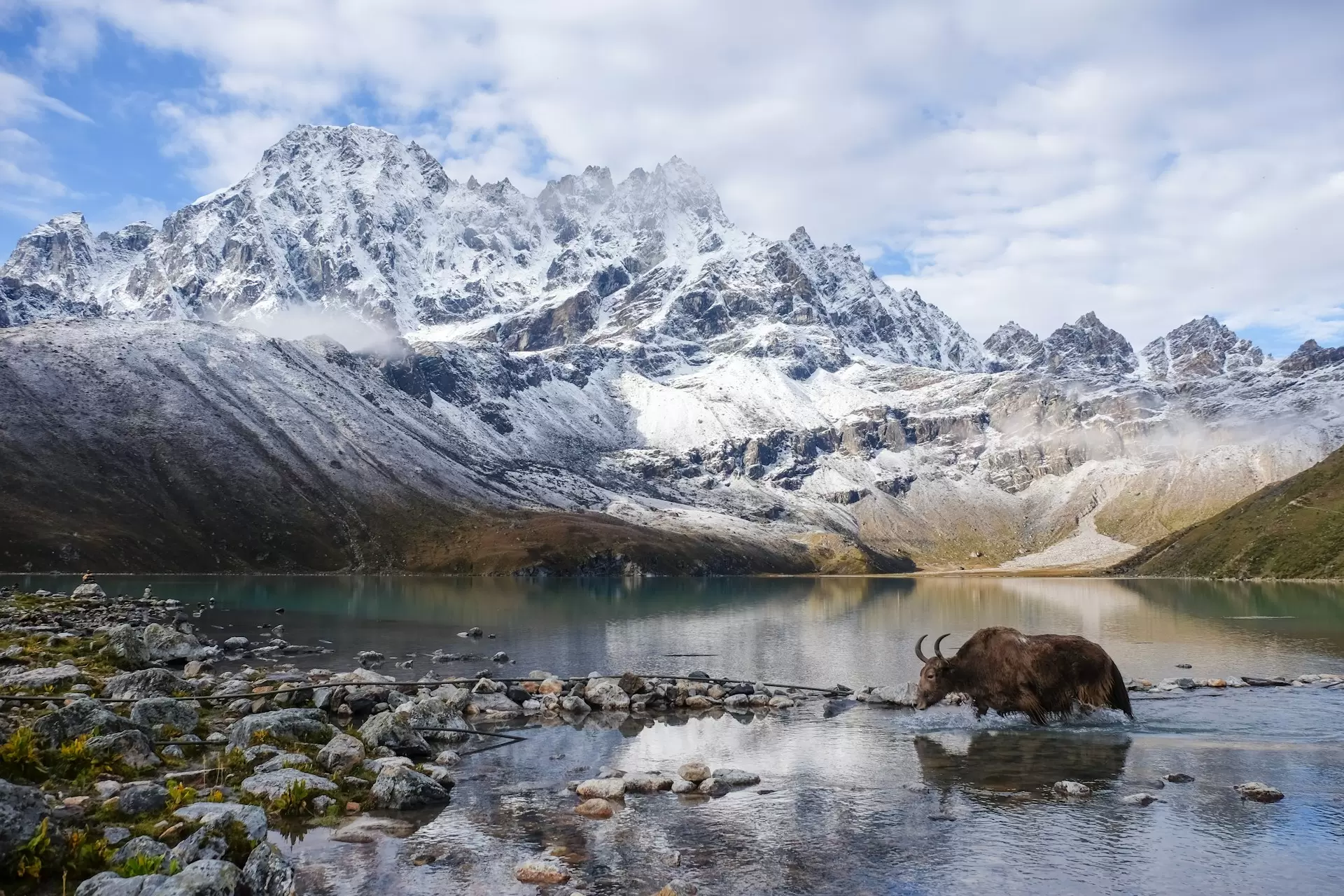
After breakfast, you will continue your trek from Dole to Machhermo (4,470 meters). The trail climbs steadily through alpine meadows and pastures, where you can often see yaks grazing. Along the way, you will pass several stone huts and the occasional herd of yaks or mountain goats. As you gain altitude, the scenery becomes more dramatic with views of snow-capped peaks such as Cho Oyu and Thamserku. Machhermo is a small village known for its spectacular views and is a good spot to rest and acclimatize. Overnight in Machhermo.
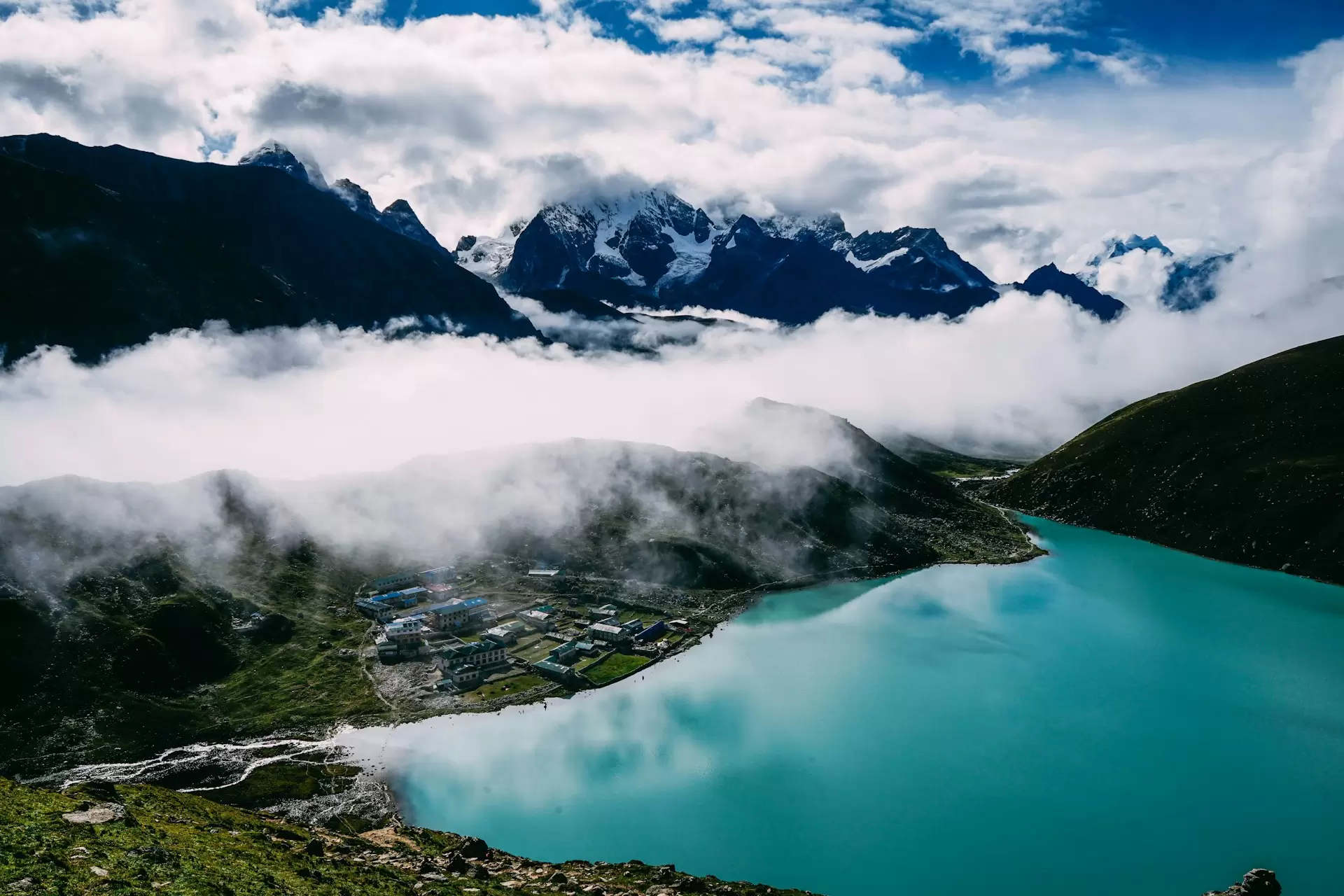
Today’s trek takes you to Gokyo (4,800 meters), the main village in the Gokyo Valley. The trail is more challenging as you make your way through rocky terrain and along the shores of the Gokyo Lakes. Gokyo is situated beside the third lake, offering stunning views of the surrounding peaks, including Cho Oyu, Lhotse, and Mount Everest. Once you arrive in Gokyo, you will have some time to relax and acclimatize. In the afternoon, you will hike up to Gokyo Ri (5,357 meters) for a spectacular panoramic view of the Everest region. From Gokyo Ri, you can see Everest, Lhotse, Makalu, Cho Oyu, and other Himalayan giants. The view from here is one of the most memorable moments of the trek. Overnight in Gokyo.
This morning, you will have the option to hike to the 4th Gokyo Lake, which is a bit further along the valley. The trek to the fourth lake offers stunning views and is a great way to enjoy the tranquil beauty of the Gokyo Valley. After exploring the fourth lake and taking in the spectacular scenery, you will return to Machhermo for the night. The descent is gradual and will help with acclimatization. Overnight in Machhermo.
After breakfast, you will begin your descent back to Namche Bazaar. The trek down takes you through the same scenic landscapes you encountered earlier, passing through alpine meadows and Sherpa villages. The air is thicker at this lower altitude, making the walk much easier and more enjoyable. You will have plenty of time to appreciate the views of the surrounding peaks as you make your way back to Namche. Overnight in Namche Bazaar.
Today is the final leg of the trek as you head back to Lukla. The trail descends steadily through forests and across suspension bridges, following the Dudh Koshi River. You will pass through several Sherpa villages and enjoy the beautiful landscape as you retrace your steps towards Lukla. Once in Lukla, you will have time to relax and reflect on your incredible journey. Overnight in Lukla.
After breakfast, you will catch a flight from Lukla back to Kathmandu. The flight offers spectacular views of the mountains as you descend into the Kathmandu Valley. Upon arrival, you will be transferred to your hotel in Kathmandu. The rest of the day is free to rest or explore the city. In the evening, Nepal Passion Treks and Expedition will host a farewell dinner to celebrate the successful completion of your trek. This is a great opportunity to share stories and experiences with your fellow trekkers. Overnight in Kathmandu.
After breakfast, you will be transferred to Tribhuvan International Airport for your departure flight. Whether you’re heading back home or on to your next adventure, the memories of your Gokyo Lake trek will stay with you forever.
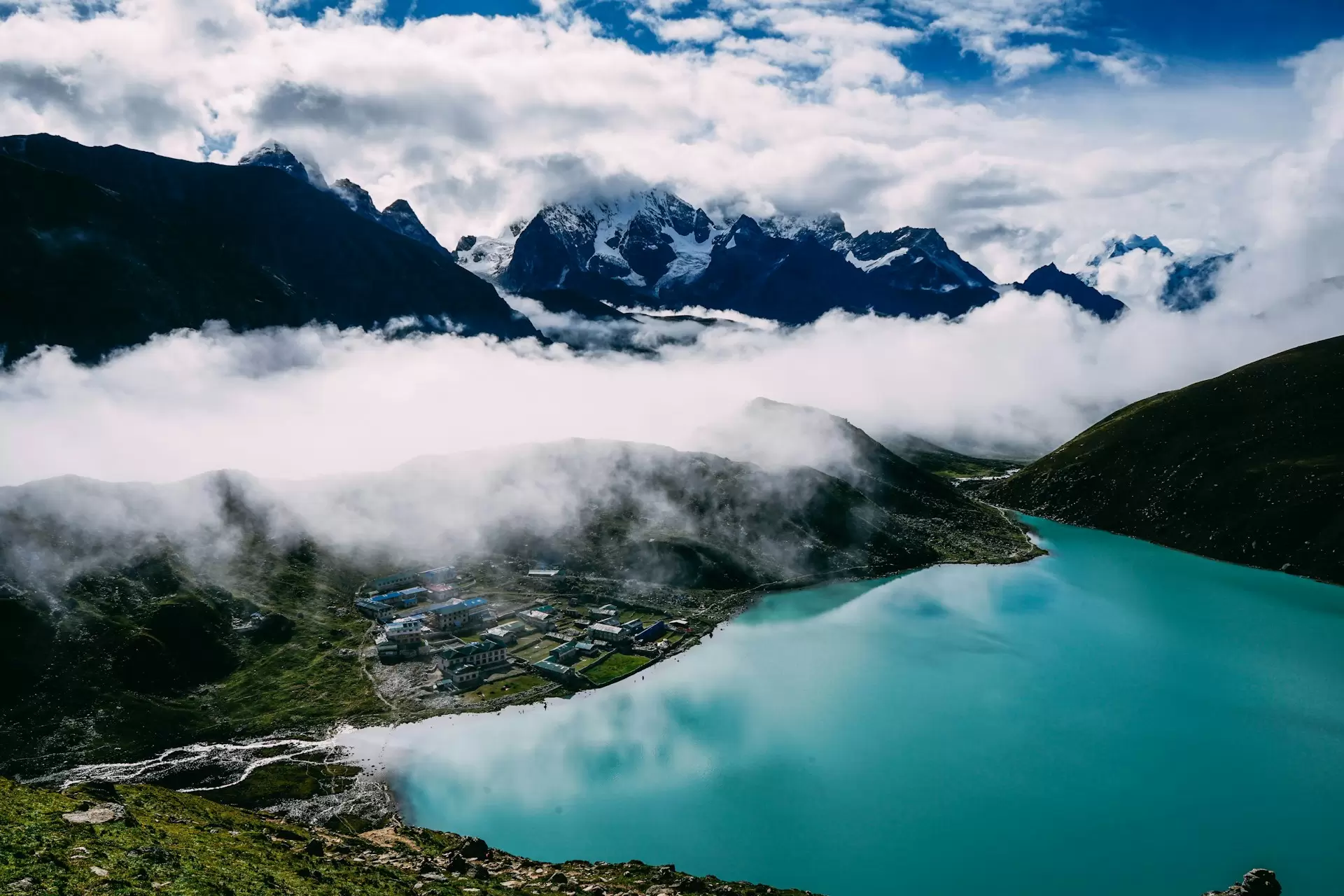
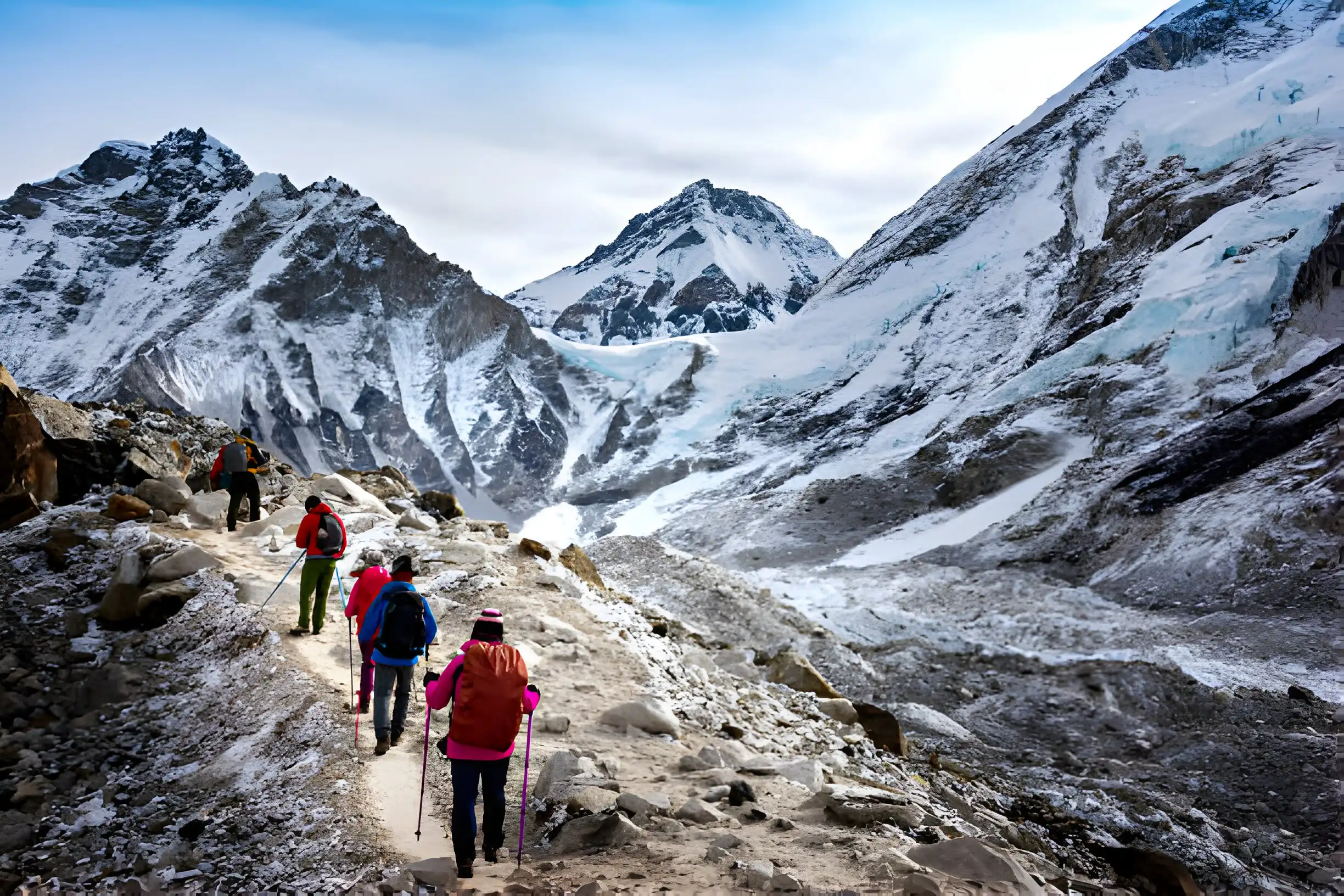
The Gokyo Lake Trek takes you through the Everest region, focusing on the stunning Gokyo Lakes at high altitudes, the Gokyo Ri summit, and the surrounding landscapes. The trek involves visiting a series of sacred lakes situated at altitudes between 4,700 meters (15,400 feet) and 5,000 meters (16,400 feet). Highlights of the trek include Gokyo Ri, a viewpoint offering panoramic views of the Everest massif, and views of surrounding mountains like Makalu, Lhotse, and Cho Oyu. The trek is usually done in 12-14 days, and it offers a more serene, off-the-beaten-path alternative to the Everest Base Camp Trek.
The Gokyo Lake Trek is considered moderate to challenging. The trek involves ascending to high altitudes (up to 5,360 meters at Gokyo Ri) and walking on rugged terrain, including steep ascents and descents. While the trail itself is not technically difficult, the altitude is the primary challenge. High-altitude treks require proper acclimatization to avoid altitude sickness. As you will be walking for 5-7 hours a day, physical fitness and preparation are important for a successful trek.
The best times to trek to Gokyo Lake are during spring (March to May) and autumn (September to November). These seasons offer the most stable weather conditions with clear skies, moderate temperatures, and low chances of rainfall. Spring brings wildflowers in bloom, and autumn offers the clearest views of the snow-capped peaks. Winter (December to February) can be cold, with snowstorms and freezing temperatures, and the monsoon season (June to August) is less ideal due to heavy rain and the risk of landslides.
Although the Gokyo Lake Trek is not as complex as some other high-altitude treks, hiring a guide is recommended. A guide will help with navigation, ensure your safety, provide insights into the local culture, and help manage any altitude sickness symptoms. Trekking with a guide also enhances the experience by giving you a deeper understanding of the landscape and region. Guides are familiar with the route and weather conditions and can handle emergencies, which is especially important at high altitudes.
While you can trek independently if you’re experienced, having a guide will make the trek smoother and safer. You may also want to hire a porter to carry your backpack and ease your physical load, making the trek more enjoyable.
To trek in the Everest region, you’ll need the following permits:
TIMS Card (Trekkers' Information Management System):This permit is mandatory for all trekkers in Nepal and helps the authorities track trekkers for safety purposes.
Sagarmatha National Park Permit: This is required to enter the Sagarmatha National Park, where Mount Everest and Gokyo are located. The fee is approximately USD 30.
Khumbu Pasang Lhamu Rural Municipality Permit:This local permit costs around USD 20 and is required for trekking in the Khumbu region.
You can obtain these permits in Kathmandu or through a trekking agency if you are booking a guided trek.
The Gokyo Lake Trek is largely done in teahouses — simple lodges that offer basic facilities, including a bed, food, and shared bathroom facilities. The teahouses are typically family-run and provide a chance to interact with locals. The rooms are simple and include a bed with a blanket, but it’s recommended to bring your own sleeping bag (especially for higher altitudes). As you ascend, the teahouses become more basic and fewer amenities are available. In more remote areas, expect limited options for warm showers, electricity, or internet access.
Meals are usually provided by the teahouses, with a menu that includes both local dishes like dal bhat (rice and lentil soup), and international options such as pasta and momo (dumplings).
The highest point on the Gokyo Lake Trek is Gokyo Ri, which stands at 5,360 meters (17,585 feet). This is a viewpoint located just above the Gokyo Lakes, offering one of the best panoramic views of the Everest region, including Mount Everest, Makalu, Lhotse, Cho Oyu, and the Ngozumpa Glacier. While Gokyo Ri is a day hike from Gokyo, it is an essential highlight of the trek and provides unforgettable views.
It is possible to trek the Gokyo Lake route independently if you are an experienced trekker and are comfortable navigating the trails, but it is generally not recommended for first-time trekkers in the region due to the high-altitude terrain and the need for acclimatization. Having a guide provides safety, especially in terms of managing altitude sickness, and it enhances your experience through local cultural insights. Most trekkers prefer to go with a guide and a porter, as this makes the trek more enjoyable and reduces the physical burden of carrying heavy bags.
Packing for the Gokyo Lake Trek requires consideration of both high-altitude conditions and the physical demands of the trek. Essential items include:
Clothing: Layered clothing for warmth (base layer, fleece or down jacket, waterproof outer layer), warm hat, gloves, and socks.
Trekking Boots:Waterproof and sturdy boots suitable for rocky and snow-covered paths.
Sleeping Bag: A sleeping bag rated for temperatures as low as -10°C to -15°C (14°F to 5°F).
Water Purification:Water bottles and water purification tablets or a filter.
Snacks: High-calorie snacks like energy bars, trail mix, or dried fruits.
First-Aid Kit: Basic medical supplies, including altitude sickness medication (consult a doctor before the trek).
Sun Protection:Sunglasses, sunscreen (high SPF), and lip balm.
Headlamp:For early morning or late evening trekking.
Power Bank: For charging devices (teahouses may have charging facilities, but expect limited availability).
The Gokyo Lake Trek is generally safe, provided you take the proper precautions. Altitude sickness is the most significant risk, especially as you ascend above 4,000 meters. To minimize risks, ensure you acclimatize properly, don’t ascend too quickly, and stay well-hydrated. It’s advisable to trek with a guide who can monitor your health and make necessary adjustments. The trails are well-trodden and well-marked, but weather conditions can be unpredictable, especially in the high mountains, so always be prepared for changes in conditions.