Welcome to Kathmandu! Upon arrival at Tribhuvan International Airport, you will be greeted by a representative from Nepal Passion Treks and Expedition, who will transfer you to your hotel. After check-in, you can rest and relax after your flight, with the remainder of the day free to explore the vibrant streets of Kathmandu or simply unwind in your hotel. In the evening, meet your guide for a pre-trek briefing and a welcome dinner to discuss the trek ahead.
After breakfast, enjoy a half-day sightseeing tour of Kathmandu’s UNESCO World Heritage Sites. You’ll visit Swayambhunath (the Monkey Temple), Pashupatinath Temple, and Boudhanath Stupa, all of which are deeply steeped in Nepali history and culture. In the afternoon, you’ll take a flight to Nepalgunj, a bustling town in the Terai region of Nepal. This 1-hour flight will give you a first glimpse of the vastness of Nepal’s landscapes. Upon arrival, you’ll be transferred to your hotel for an overnight stay.
After breakfast, catch an early morning flight to Jhupal, the gateway to the Lower Dolpo region. This flight takes around 45 minutes and offers stunning views of the Himalayas. Upon arrival, you’ll start your trek to Dunai, the district capital of Dolpo. The trek is a pleasant 4-hour walk along the Bheri River, passing through forests and small villages. Dunai is a lively village where you’ll spend the night in a guesthouse, enjoying the local atmosphere.
Today, you’ll continue your journey along the riverbanks, following a gradual ascent through lush vegetation and terraced fields. The trek to Chepkpa will take about 4 hours, passing through villages and small hamlets along the way. As you ascend, you’ll begin to experience the rugged landscape of the Dolpo region, with stunning views of the surrounding hills and valleys. Upon arrival at Chepkpa, you’ll rest and overnight in a local lodge.
Today’s trek will take you deeper into the Dolpo region. The journey will take about 6 hours as you ascend gradually toward Samduwa, a small village at 2,960 meters. The trail takes you through forests of oak and pine, and along scenic river valleys. The last part of the trek will offer great views of the surrounding snow-capped peaks. After reaching Samduwa, you’ll settle into a teahouse or camp and rest for the night.
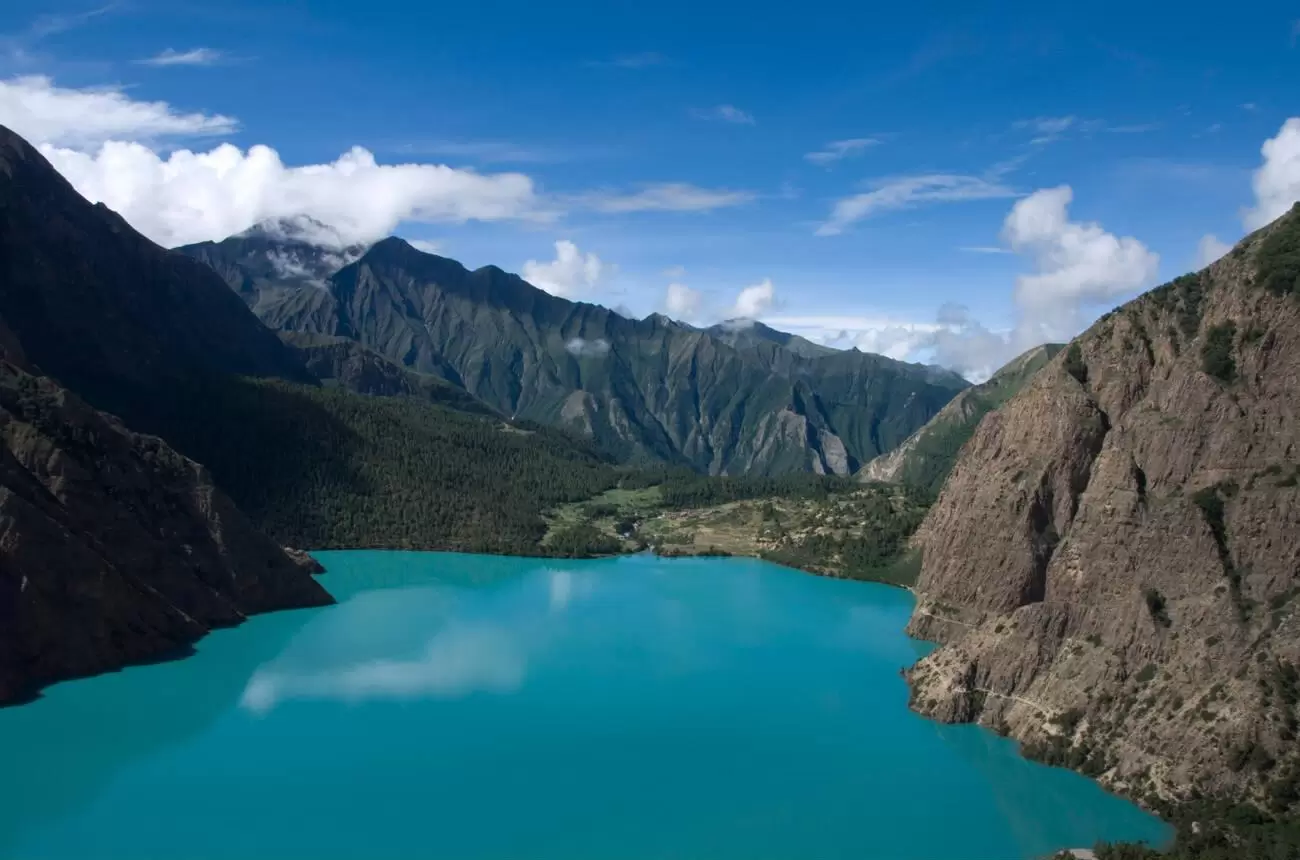
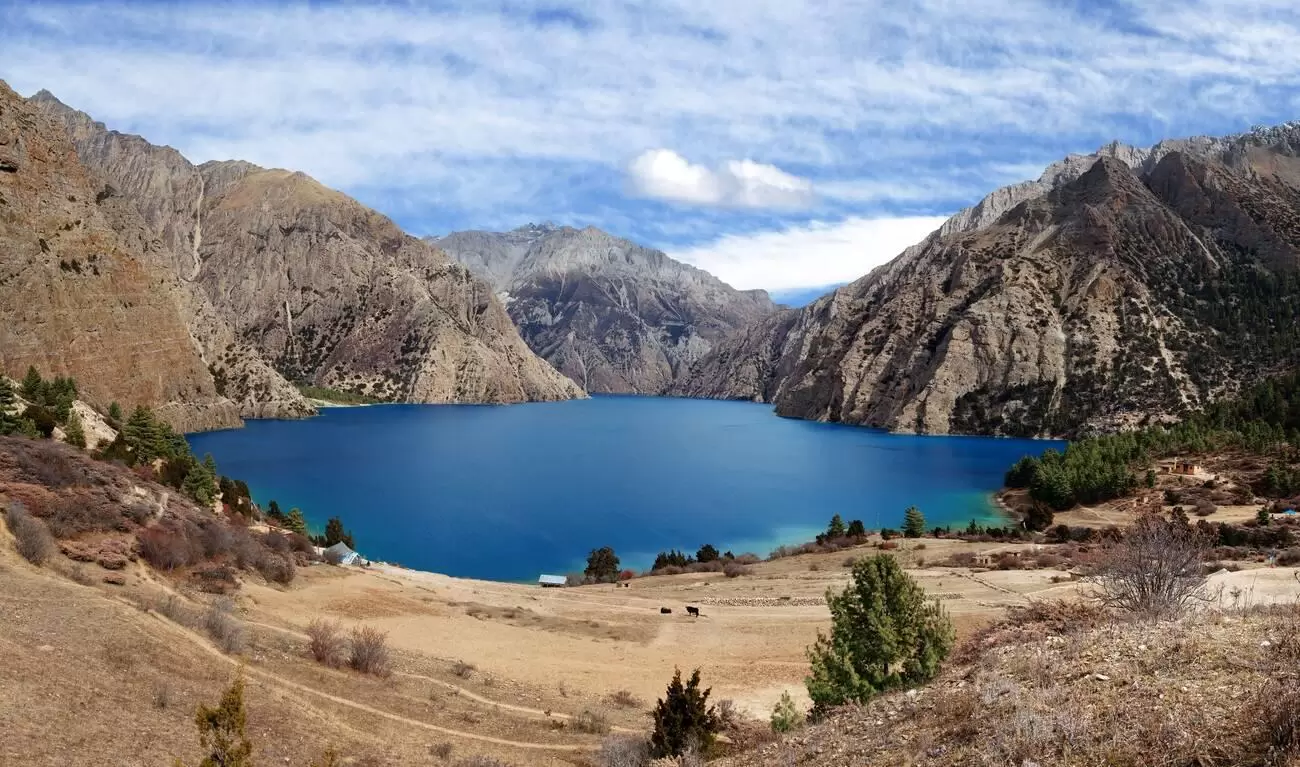
The trek today takes you to one of the most beautiful spots in the Dolpo region—Phoksundo Lake. The journey will take approximately 6 hours, as you pass through forests, small villages, and cross bridges over streams. Phoksundo Lake is famous for its vibrant turquoise color and is surrounded by steep cliffs. The stunning beauty of the lake and its serene atmosphere makes it one of the highlights of this trek. You will camp or stay in a lodge by the lake for the night.
Today is a rest day to allow for acclimatization. You can explore the area around Phoksundo Lake, hike to nearby viewpoints, or visit the Phoksundo Monastery that lies near the lake. The area offers breathtaking views of the surrounding peaks, and you can enjoy a peaceful walk around the lake. This day will help your body adjust to the altitude before heading further into the mountains.
After a restful day, today’s trek will take you higher as you head towards the base of the Baga-La Pass. The trail ascends steadily through alpine forests and offers expansive views of the surrounding mountains. You will trek for about 5 hours, and upon reaching Timche, you’ll camp at the base of the pass. Timche is a small settlement that offers a quiet environment to rest for the night.
Today is one of the most challenging but rewarding days of the trek. After an early breakfast, you’ll begin the steep ascent to the Baga-La Pass, which stands at an altitude of 5,169 meters. From the pass, you’ll be rewarded with panoramic views of the surrounding mountain ranges. After crossing the pass, you’ll descend towards Danigar, where you’ll camp for the night. The trek today is strenuous, but the sense of accomplishment after crossing the pass makes it worthwhile.
Today, you will cross another major pass—Numa-La (5,190 meters). The climb to the pass is gradual, and you’ll experience beautiful landscapes as you make your way up. Once at the top, take some time to enjoy the stunning views before descending towards the base camp, located at 4,440 meters. The trek will take around 5 hours, and you’ll camp at the base of Numa-La for the night.
Today, the trek takes you to Dho Tarap, a culturally rich village in the Dolpo region. After crossing the Numa-La base, you’ll trek for about 5 hours, passing through villages, grazing fields, and picturesque landscapes. Dho Tarap is famous for its Tibetan Buddhist culture, and you will have the opportunity to explore the local monasteries and meet the friendly locals. Dho Tarap offers a glimpse into the traditional lifestyles of the people living in this remote area.
Today’s trek will take you towards Gyagar, a village situated at 3,759 meters. The journey is approximately 7 hours, and the trail passes through high-altitude landscapes, with spectacular views of the surrounding peaks. As you approach Gyagar, you’ll notice the change in the landscape and culture. The people here follow a traditional Tibetan lifestyle, and the village is surrounded by spectacular views of the valleys and mountains.
Today, you’ll descend to Tarap Khola, passing through the village of Chyugar along the way. The trek takes about 6 hours, and the trail descends through a mix of rocky terrain and sparse forests. Once you reach Tarap Khola, you’ll be rewarded with views of the river valley and surrounding mountains. This is a beautiful area to rest and take in the natural beauty.
After breakfast, you’ll begin the descent to Tarakot, a village located at 2,540 meters. The trek will take approximately 6 hours, and you’ll pass through several small villages and fields along the way. Tarakot is a historically significant area, and it is home to several ancient monasteries. You’ll spend the night in a local lodge or camp, enjoying the serene atmosphere.
Today, you’ll trek back to Dunai, completing the final stretch of your trek for about 5 hours. From Dunai, you’ll take a short 2-hour drive to Jhupal, where you will spend the night before your flight out the next day. This marks the end of your trekking adventure, and you’ll have some time to reflect on your incredible journey through Lower Dolpo.
Today, you will catch a flight from Jhupal to Nepalgunj, followed by a connecting flight to Kathmandu. Upon arrival in Kathmandu, you will be transferred to your hotel for an overnight stay. In the evening, you can enjoy a celebratory dinner with the trek crew and fellow trekkers.
After breakfast, depending on your flight schedule, you will be transferred to Tribhuvan International Airport for your onward journey. Your adventure with Nepal Passion Treks and Expedition comes to an end, but the memories of the stunning landscapes, unique culture, and incredible people will stay with you forever. Safe travels!
The Lower Dolpo Trek is a captivating and relatively less challenging trekking route that takes you through the stunning Dolpo region in the northwest of Nepal. This trek offers an incredible opportunity to explore a unique blend of natural beauty and ancient Tibetan culture, with a focus on the southern part of the Dolpo region. The trek is known for its beautiful landscapes, including high mountain passes, pristine lakes (notably Shey Phoksundo Lake), and traditional villages that have remained largely untouched by modern development. The Lower Dolpo Trek provides a more accessible way to experience the remote Tibetan-influenced culture of the area, with less strenuous terrain compared to the Upper Dolpo Trek.
The best times to trek in Lower Dolpo are during the spring (March to May) and autumn (September to November) seasons. During these months, the weather is stable, with clear skies and moderate temperatures, providing ideal conditions for trekking at high altitudes. Spring offers a chance to see the region's flora in full bloom, while autumn presents crisp air and magnificent views of the surrounding snow-capped peaks. The summer months (June to August) are the monsoon season, bringing heavy rain, which makes trekking conditions difficult and unsafe. Winter (December to February) can be very cold, and the trails may be covered in snow, making it unsuitable for trekking unless you are highly experienced in winter trekking.
The Lower Dolpo Trek is considered a moderate-level trek, making it more accessible than the Upper Dolpo Trek. The trek involves several long days of hiking, but the altitude is generally lower, with fewer high passes to cross. However, you will still experience some challenging terrain, including rocky paths, steep ascents, and descents. The trek’s highest point is around 5,000 meters (16,404 feet), but most of the journey stays at lower altitudes, making it more manageable for trekkers with basic fitness and prior trekking experience. It’s still essential to be in good physical condition, as the trek includes long daily hikes and the need for acclimatization to prevent altitude sickness.
Yes, the Lower Dolpo Trek requires a guide and porter. Due to the remote and rugged nature of the trail, having a knowledgeable guide is crucial for safety, navigation, and cultural insights. A guide will help you navigate the less-marked paths, monitor your health for signs of altitude sickness, and provide a richer understanding of the local Tibetan culture and traditions. Porters are also recommended to carry your personal gear, ensuring that you can trek more comfortably without being burdened by heavy loads. Nepal Passion Treks and Expedition provides professional, experienced guides and porters who are well-acquainted with the Dolpo region and can help make your trek safe and enjoyable.
To trek in the Dolpo region, you will need several permits due to the area being a restricted region:
Restricted Area Permit (RAP): This permit is required for entering Dolpo, as it is a protected area. The RAP allows trekkers to access this remote and restricted part of Nepal and is typically valid for a specific period.
Trekking Permit (TIMS): The Trekking Information Management System (TIMS) card is necessary for registering your trek with the Nepal Tourism Board and tracking your movement for safety purposes.
Shey Phoksundo National Park Permit:This permit is needed to enter the Shey Phoksundo National Park, home to some of the region's most beautiful landscapes, including the famous Shey Phoksundo Lake.
Nepal Passion Treks and Expedition will handle all the necessary permits and logistics for you, ensuring a smooth and hassle-free trekking experience.
Accommodation along the Lower Dolpo Trek is simple but comfortable, with trekkers staying in basic tea houses, lodges, or guesthouses run by local families. The facilities are minimal, especially in the higher-altitude villages, but they provide a warm place to sleep and a chance to experience local hospitality. Expect simple rooms with a bed and blanket. In some remote sections of the trek, you may need to camp in tents if tea houses are unavailable. The food will typically consist of traditional Nepali and Tibetan dishes, with options like dal bhat (lentil soup with rice), noodles, momos (dumplings), and Tibetan bread.
The food along the Lower Dolpo Trek primarily consists of traditional Nepali and Tibetan food. In the lower regions, you will find meals like dal bhat (a lentil soup with rice), momo (dumplings), noodles, potatoes, and vegetables. As you trek to higher altitudes, the food options may become more limited, but you will still find simple and nutritious meals. Tibetan specialties such as butter tea, tsampa (roasted barley flour), and Tibetan bread are common in the villages. It’s advisable to bring along energy snacks such as chocolate, nuts, or energy bars to supplement the meals, especially on long trekking days.
The highest point on the Lower Dolpo Trek is typically the Numa La Pass (5,190 meters/17,024 feet) or Baga La Pass (5,170 meters/16,962 feet), both of which are situated in the northern part of the region. While these passes are not as high as those on the Upper Dolpo Trek, they still present significant challenges due to the altitude and the difficult terrain. Proper acclimatization is essential to minimize the risk of altitude sickness, especially as you approach these high-altitude passes.
The Lower Dolpo Trek typically takes about 14 to 18 days, depending on the pace, itinerary, and acclimatization needs. The trek covers a distance of around 150-200 kilometers (93-124 miles), with most trekking days lasting between 5 to 7 hours. The trek also includes a few rest days for acclimatization and to explore the remote villages and monasteries along the way. The trek is designed to be more leisurely than the Upper Dolpo Trek, with a slower pace and more opportunities for cultural immersion.
The Lower Dolpo Trek is generally safe, but due to its remote location, trekkers should be prepared for the challenges posed by the altitude and the rugged terrain. It’s important to trek with a reputable company like Nepal Passion Treks and Expedition, which ensures safety through experienced guides, thorough acclimatization schedules, and the right equipment. The company’s guides are trained in first aid and high-altitude trekking, and they will monitor your health throughout the journey. Having a local guide familiar with the area is also invaluable for handling any unforeseen circumstances.
Nepal Passion Treks and Expedition is a well-established and trusted trekking company based in Kathmandu, Nepal. We specialize in organizing custom treks to some of Nepal's most remote and beautiful regions, including Lower Dolpo. Our experienced guides are highly knowledgeable about the local culture, terrain, and safety protocols, ensuring that your trek is both enjoyable and safe. We offer personalized service, taking care of all permits, logistics, accommodations, and food, so you can focus on enjoying the adventure. With a strong commitment to responsible tourism and a passion for the Dolpo region, we ensure that your journey is not only memorable but also respectful of the local communities and environment.
For more information or to book your Lower Dolpo Trek, contact Nepal Passion Treks and Expedition today!